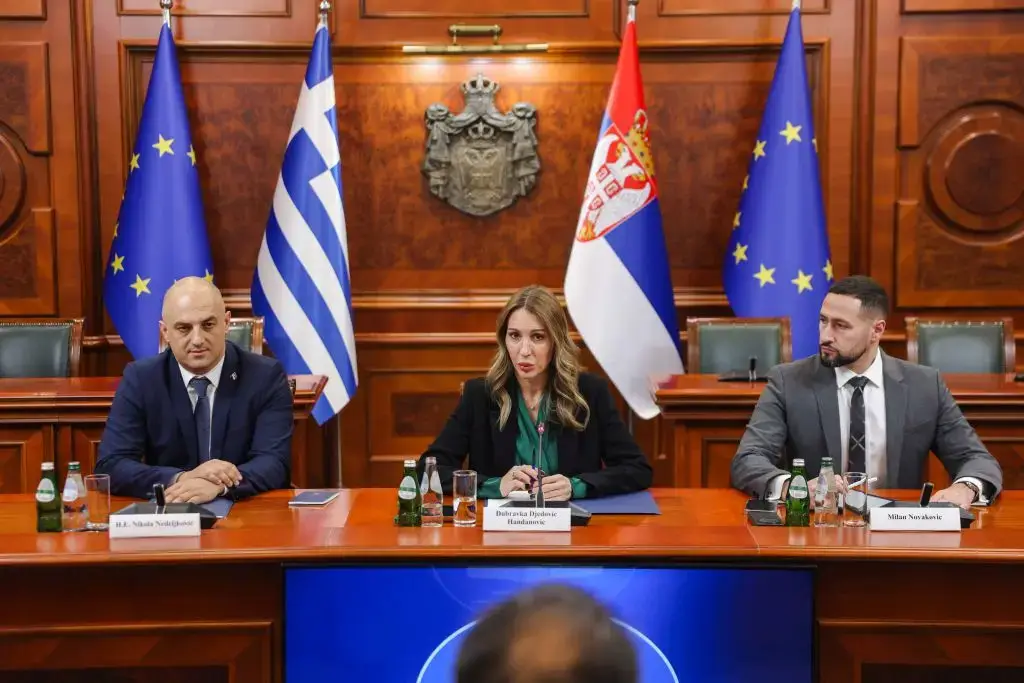
Minister of Mining and Energy Dubravka Đedović Handanović discussed today with Minister of Environment and Energy of Greece Stavros Papastavrou cooperation in the energy transition process, diversification of energy supplies and the consequences of the war in the Middle East on the energy sectors in the region.

Q:
A:
Energy cooperation between Serbia, Greece for better integration of entire region
Belgrade,
19 March 2026
The ministers agreed that it is necessary to strengthen cooperation and coordination between the four countries – Serbia, Greece, North Macedonia and Bulgaria – in the energy sector in order to achieve greater security of supply in the region.
Đedović Handanović recalled that Serbian natural gas company Srbijagas has reserved 300 million cubic metres of gas at Greece’s Alexandroupolis LNG terminal for a period of 10 years, and that it is authorised to operate in Greece.
She expressed gratitude to the oil company EKO Srbija, which operates within the Greek HELLENiQ Petroleum group and which significantly increased the import of oil derivatives last year, contributing to the security of market supply while Serbian oil company Naftna Industrija Srbije (NIS) is facing the challenge of sanctions.
The officials also discussed cooperation in the field of renewable energy sources, and Đedović Handanović stated that Greece, like Serbia, has long relied on coal, and today 55% of electricity is produced from renewable energy sources.
Serbia will be the first country to couple with the EU electricity market, although it is not a member state, the Minister pointed out and explained that Serbia will couple with Hungary first, with the expectation that the EU will complete the verification process as soon as possible, for which Serbia needs the support of Greece.
The ministers also discussed cooperation between Serbia and Greece in the field of nuclear energy, concluding that both countries recognise that nuclear energy can improve energy security in the transition period.
Papastavrou assessed that today’s meeting confirms the close strategic partnership between the two countries based on history and a clear commitment to a common future.
He stated that the energy cooperation between Serbia and Greece, which has been built in recent months, has a broader significance for Southeast Europe, as it contributes to the integration and connectivity of the entire region, and therefore, as he said, Greece strongly supports Serbia’s European path.
In recent years, Greece has emerged as an energy gateway for Southeast and Central Europe, with LNG infrastructure and gas pipelines, thereby actively contributing to energy security, he said, expressing his belief that the gas interconnection between Serbia and Bulgaria, as well as the planned interconnection with North Macedonia, represent concrete measures that will further bring the two countries closer together.
-
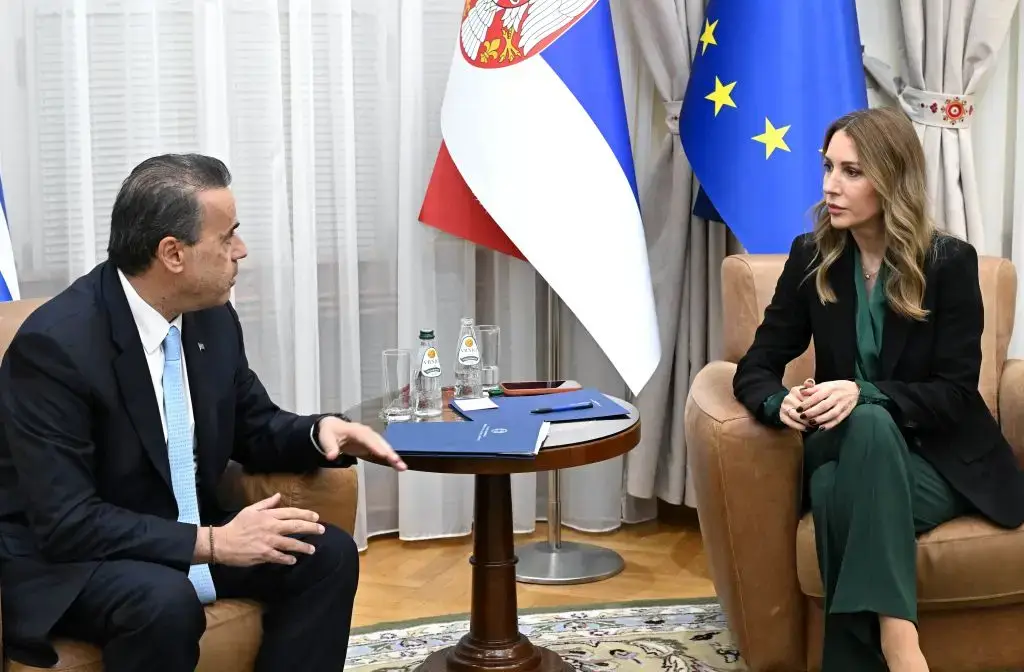 Author: Tanjug
 -
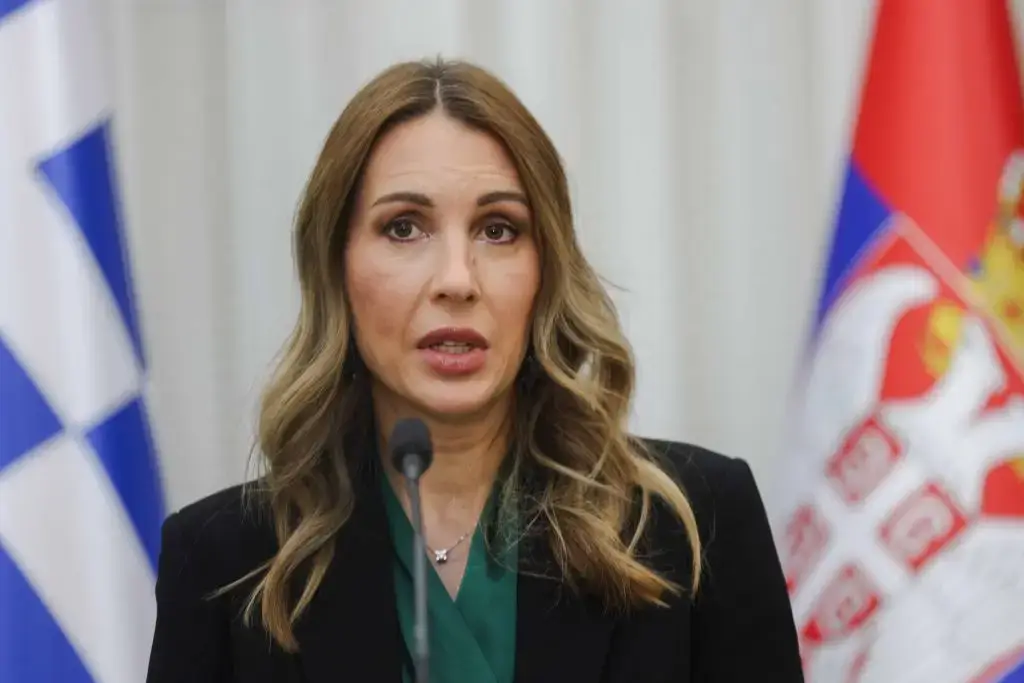 Author: Nenad Kostić
 -
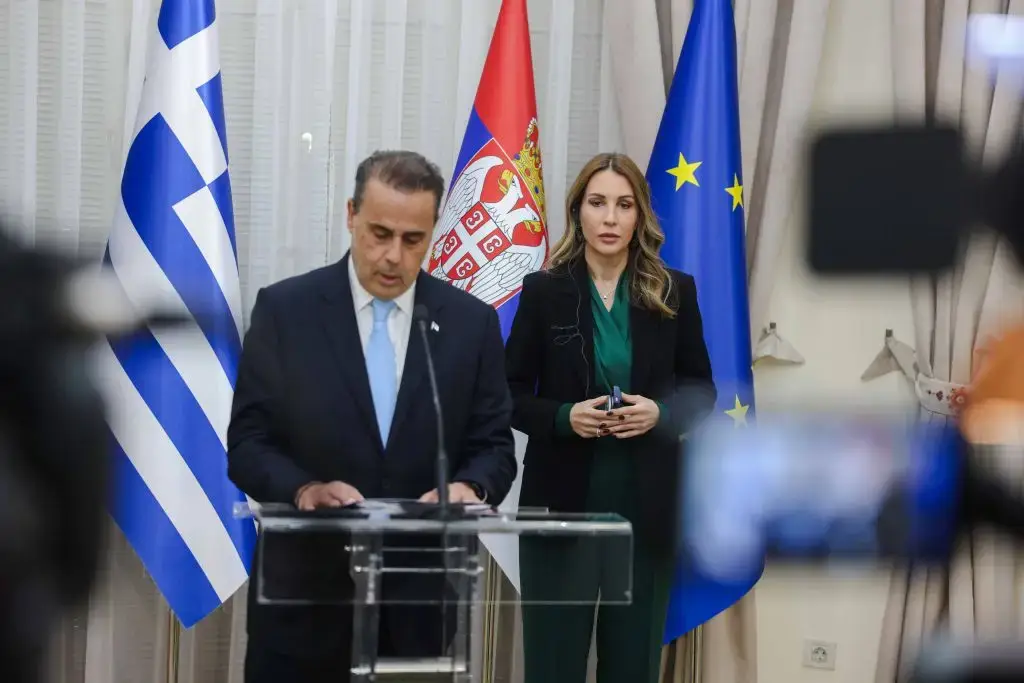 Author: Nenad Kostić
 -
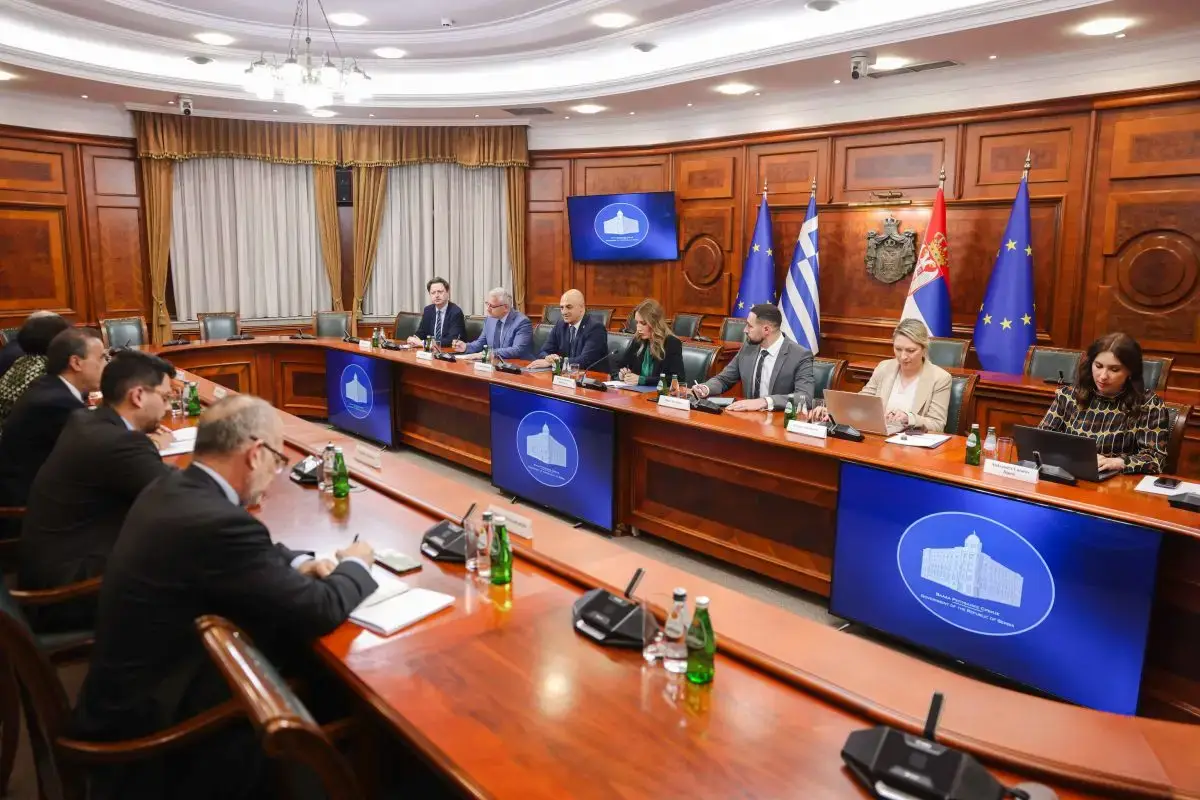 Author: Nenad Kostić
 -
 Author: Nenad Kostić
-
 Belgrade, 10 October 2026
“Wine Vision by Open Balkan” gathers producers from over 30 countries
-
 Belgrade, 9 October 2026
Further strengthening of traditionally good relations with Venezuela
-
 Belgrade/Moscow, 9 October 2026
Harnessing potential of AI for economic, social development
-
 Belgrade, 9 October 2026
Further strengthening Serbia-China partnership in agriculture
-
 Belgrade, 8 October 2026
Co-financing European Territorial Cooperation projects
-
 Belgrade, 8 October 2026
Strengthening alliances for political, economic empowerment of women
-
 Belgrade/Baku, 7 October 2026
Serbia attaches great importance to resolving issue of missing persons
-
.webp) Belgrade, 7 October 2026
Belgrade, 7 October 2026Agricultural cooperation with Slovakia to be raised to higher level
-
 Belgrade, 6 October 2026
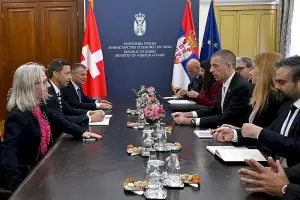
Regular political, economic dialogue solid foundation for strengthening cooperation with Switzerland
-
 Belgrade/Washington, 5 October 2026
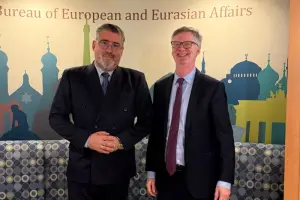
Great importance of further advancing bilateral cooperation between Serbia, US