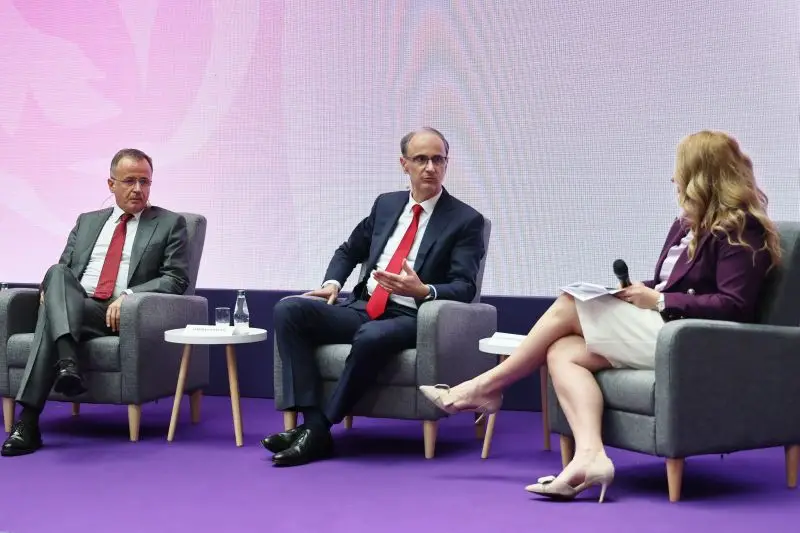
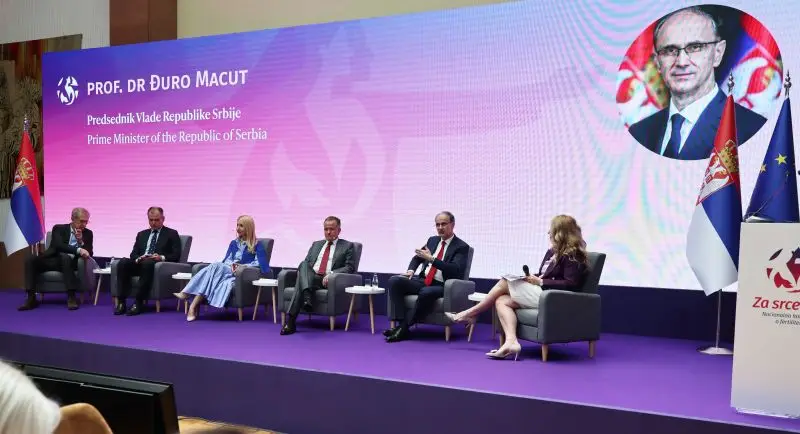
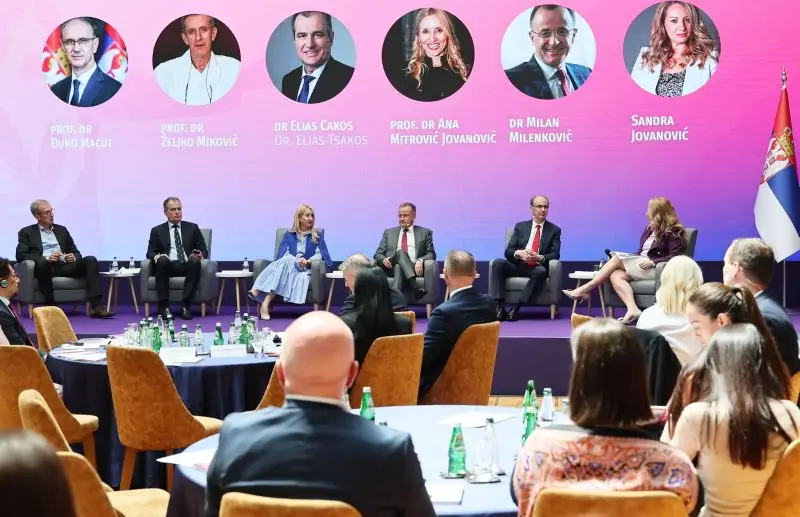
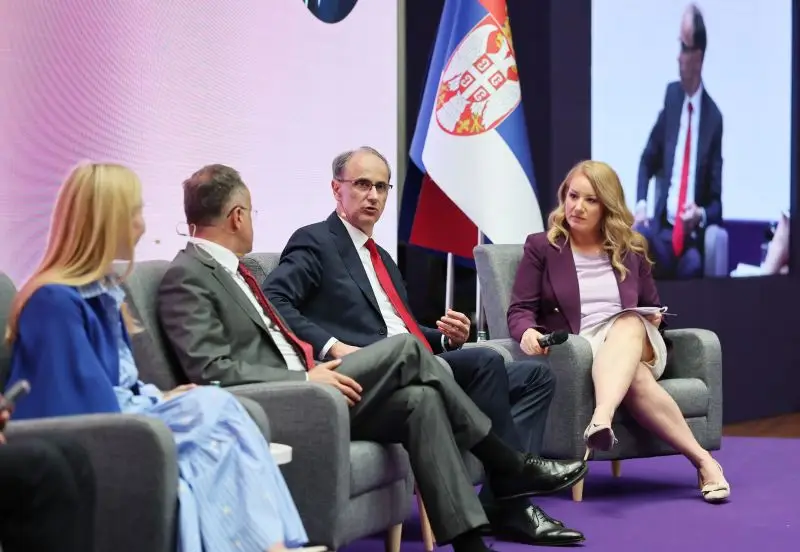
Prime Minister Professor Đuro Macut, MD, DSc, said today at the International Expert Conference “Za srce više” that fertility and reproductive health are issues of the future of a society and that Serbia has taken significant steps in the field of support for parenthood and infertility treatment in recent years.

Q:
A:
Concrete, systemic support for parenthood, infertility treatment
Belgrade,
25 May 2026
At the conference, organised by the Office of Minister without portfolio in charge of gender equality, prevention of violence against women and economic and political empowerment of women Tatjana Macura, Macut pointed out that addressing the issue of declining birth rates is a challenge for the whole of Europe and a large part of the world.
He stated that the causes are numerous, from changes in lifestyle habits to economic insecurity, postponing parenthood, migration, stress and an accelerated pace of life.
According to him, approximately 60,000 babies are born in Serbia annually, with between 3% and 4% of children born thanks to assisted reproductive technology.
Macut stated that the number of in vitro fertilisation procedures is growing year by year and that Serbia is increasingly investing in financing these procedures, specifying that approximately 11,000 in vitro fertilisation procedures were recorded during 2025.
He emphasised that this clearly demonstrates Serbia’s commitment to providing concrete and systemic support to people who want to become parents, noting that the number of in vitro fertilisation attempts at state expense has increased in recent years, age limits have been raised, the availability of procedures has improved, and investments in the healthcare system have never been greater.
-
 Author: Slobodan Miljević
 -
 Author: Slobodan Miljević
 -
 Author: Slobodan Miljević
 -
 Author: Slobodan Miljević
-
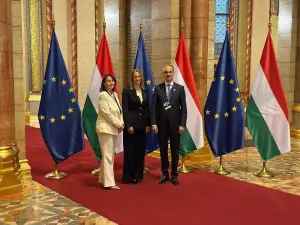 Belgrade/Budapest, 23 October 2026
Good relations with Hungary help Serbia on its European path
-
 Belgrade, 23 October 2026
Prime Minister Macut at commemoration of 70th anniversary of Hungarian Revolution
-
 Belgrade/Budva, 22 October 2026
Serbia one of key factors in regional integration
-
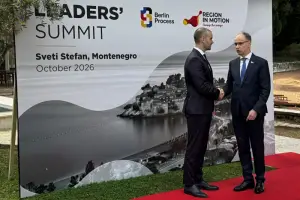 Belgrade/Sveti Stefan, 22 October 2026
Serbia committed to continuing reforms on path to full EU membership
-
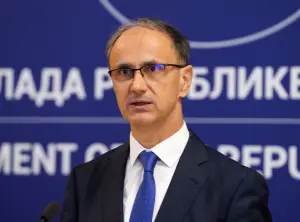 Belgrade, 21 October 2026
Prime Minister Macut to attend Berlin Process Leaders’ Summit in Sveti Stefan
-
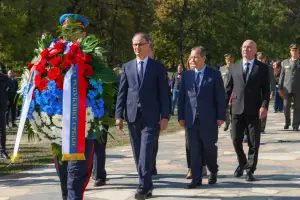 Kragujevac, 21 October 2026
Macut pays tribute to civilians executed during World War II
-
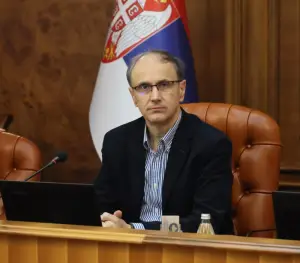 Belgrade, 21 October 2026
Importance of maintaining public order, peace on election day
-
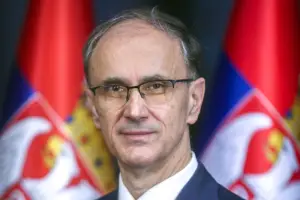 Belgrade, 20 October 2026
Macut congratulates Luca Niculescu on his election as new Prime Minister of Romania
-
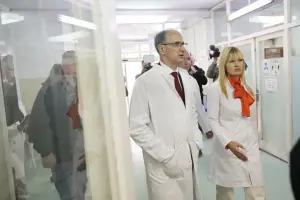 Petrovac na Mlavi/Žagubica, 19 October 2026
Strengthening healthcare institutions among government priorities
-
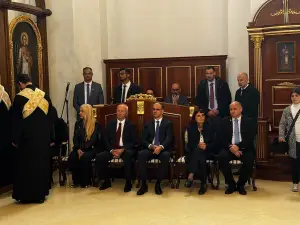 Belgrade/Dalj, 17 October 2026
Serbia to continue supporting its people, Serbian Orthodox Church in Croatia