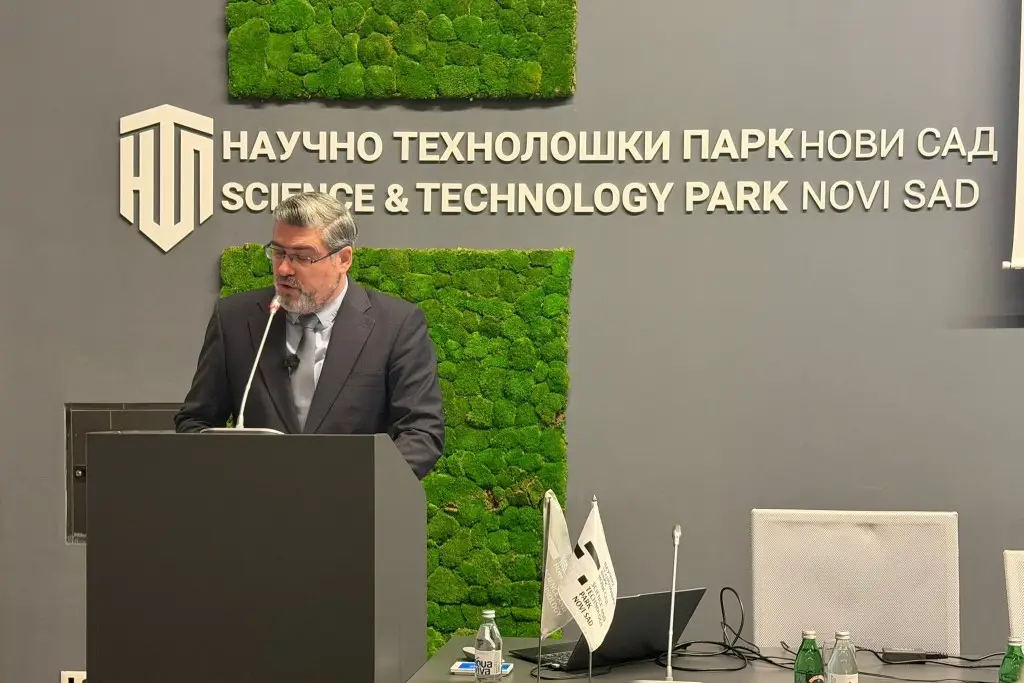
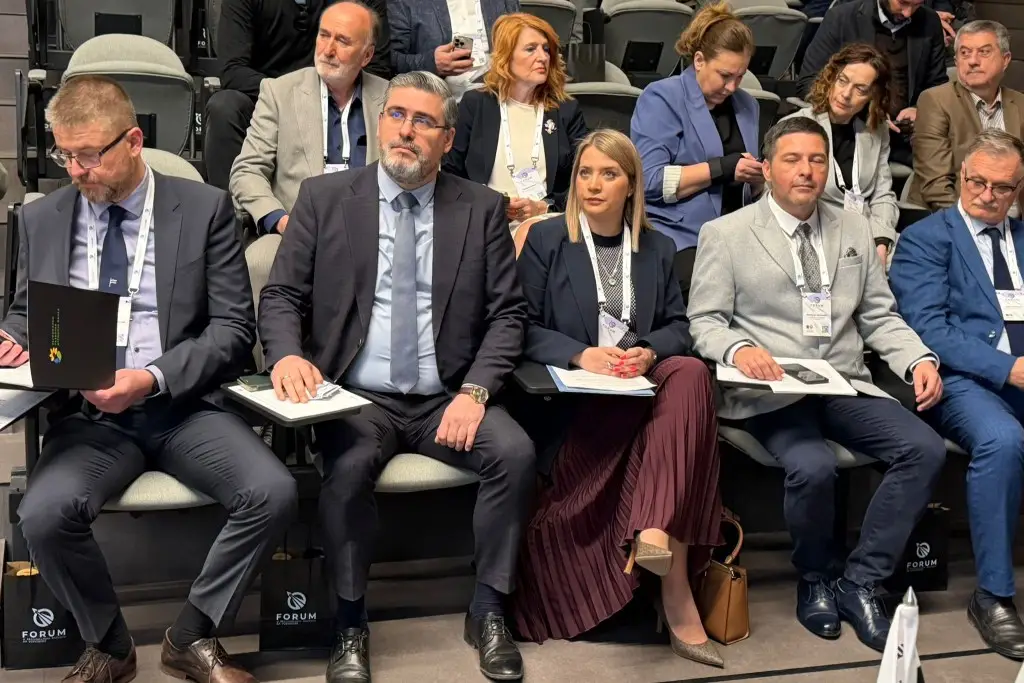
Minister of European Integration Nemanja Starović emphasised today at the Forum on Regional Development of the Autonomous Province of Vojvodina that the advancement of regional development policy is one of Serbia’s key priorities on its path to the European Union.

Q:
A:
EU programmes important instrument for more balanced regional development
Novi Sad,
25 March 2026
Speaking at the Science and Technology Park in Novi Sad, Starović noted that the adoption of legislation on the cohesion policy management system is under way in order to establish an efficient system for using EU funds and prepare Serbia for membership.
He explained that work is also ongoing to strengthen the capacity of institutions and local governments, so that they can fully utilise the funds intended for regional development.
The Minister particularly emphasised the importance of the ongoing EU PRO Plus and EU INTEGRA programmes, through which 12 territorial development strategies have been developed so far and 18 projects have been financed, while 10 more strategies are in preparation, covering 41 local governments.
He also pointed to the significance of the COHPOL 2 project, which contributes to strengthening local administrative and institutional capacities for the implementation of cohesion policy.
Speaking about the European Territorial Cooperation programmes, Starović recalled that Serbia has been participating in them since 2004 and that more than 2,500 projects have been implemented so far, with a total value of over 600 million in grants.
These projects cover areas ranging from the economy and tourism to education, environmental protection, infrastructure and support for the healthcare system, where, specifically, through their sustainability, they contribute to a better quality of life for citizens in the local areas where they are implemented, the Minister explained.
Starović concluded that EU programmes represent an important instrument for more balanced regional development, as well as for strengthening partnerships between local communities in Serbia and with partners from other countries that are beneficiaries of these programmes.
-
 Author: Ministry of European Integration
 -
 Author: Ministry of European Integration
-
 Belgrade, 10 October 2026
“Wine Vision by Open Balkan” gathers producers from over 30 countries
-
 Belgrade, 9 October 2026
Further strengthening of traditionally good relations with Venezuela
-
 Belgrade/Moscow, 9 October 2026
Harnessing potential of AI for economic, social development
-
 Belgrade, 9 October 2026
Further strengthening Serbia-China partnership in agriculture
-
 Belgrade, 8 October 2026
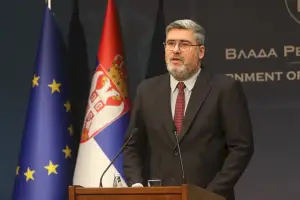
Co-financing European Territorial Cooperation projects
-
 Belgrade, 8 October 2026
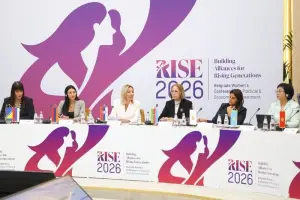
Strengthening alliances for political, economic empowerment of women
-
 Belgrade/Baku, 7 October 2026
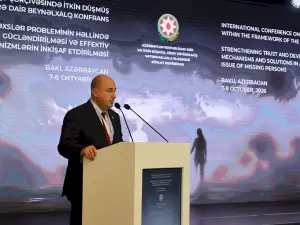
Serbia attaches great importance to resolving issue of missing persons
-
.webp) Belgrade, 7 October 2026
Belgrade, 7 October 2026Agricultural cooperation with Slovakia to be raised to higher level
-
 Belgrade, 6 October 2026
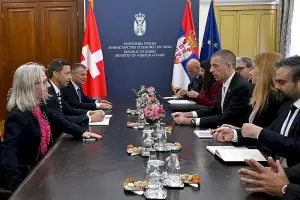
Regular political, economic dialogue solid foundation for strengthening cooperation with Switzerland
-
 Belgrade/Washington, 5 October 2026
Great importance of further advancing bilateral cooperation between Serbia, US