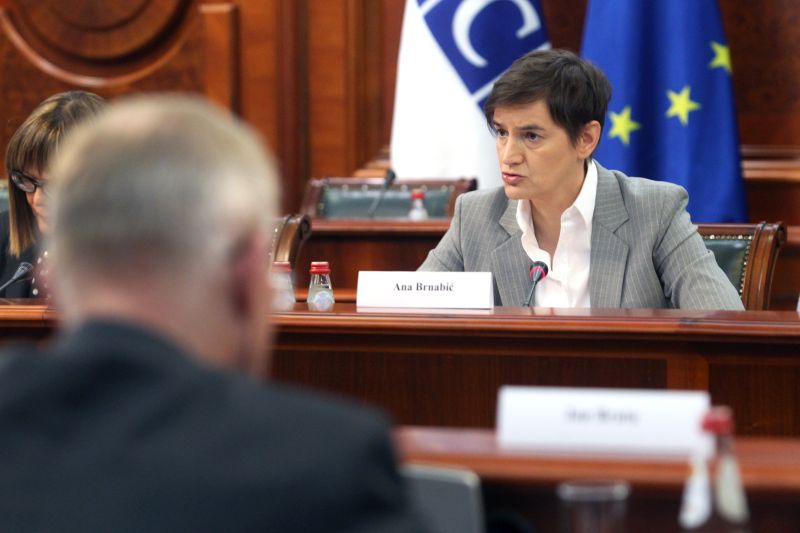
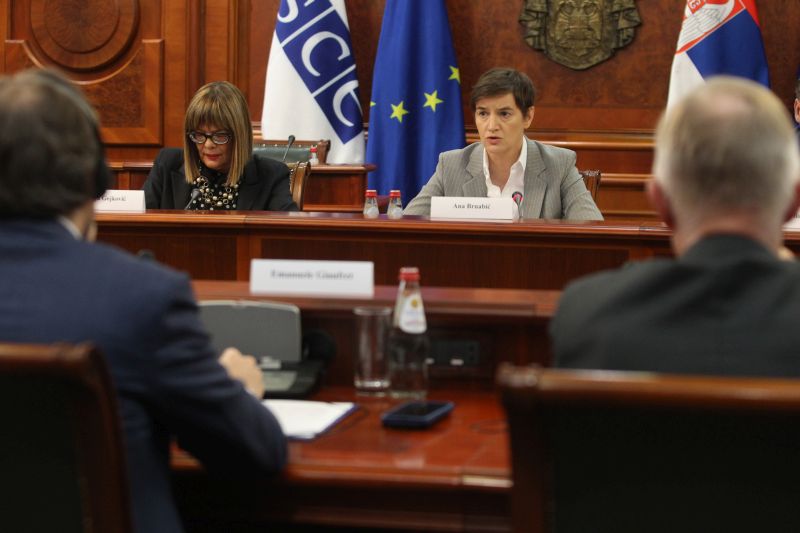
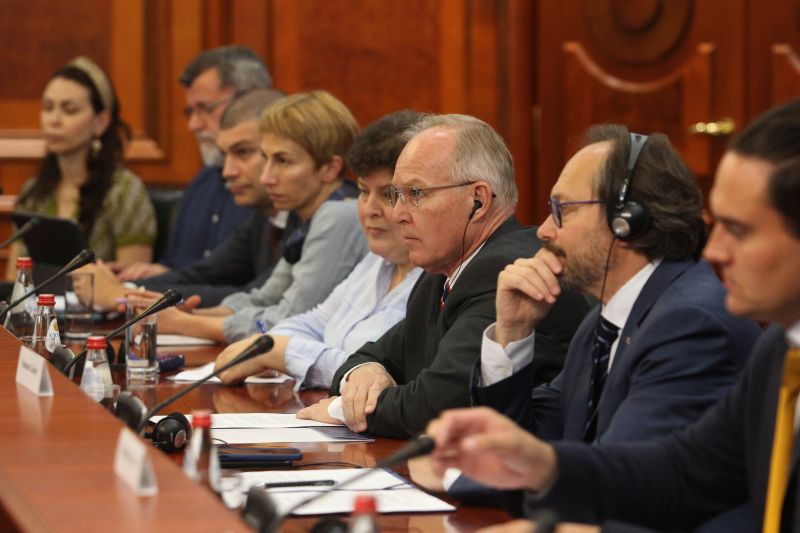
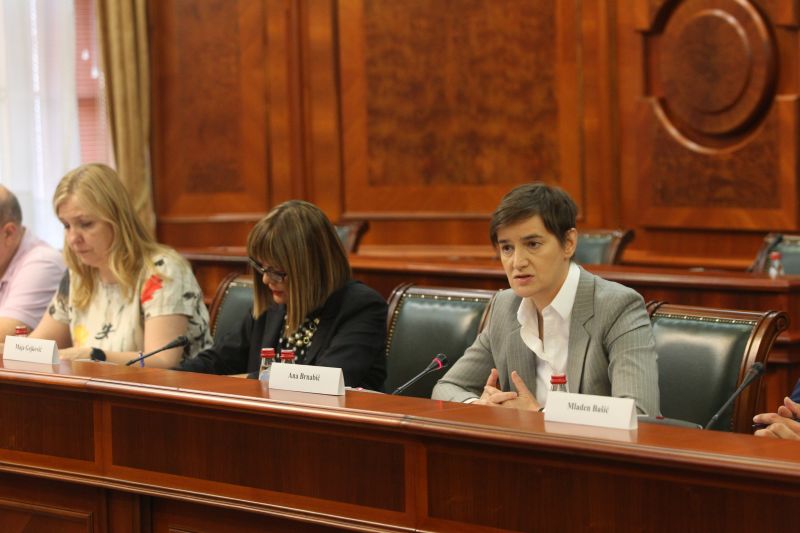
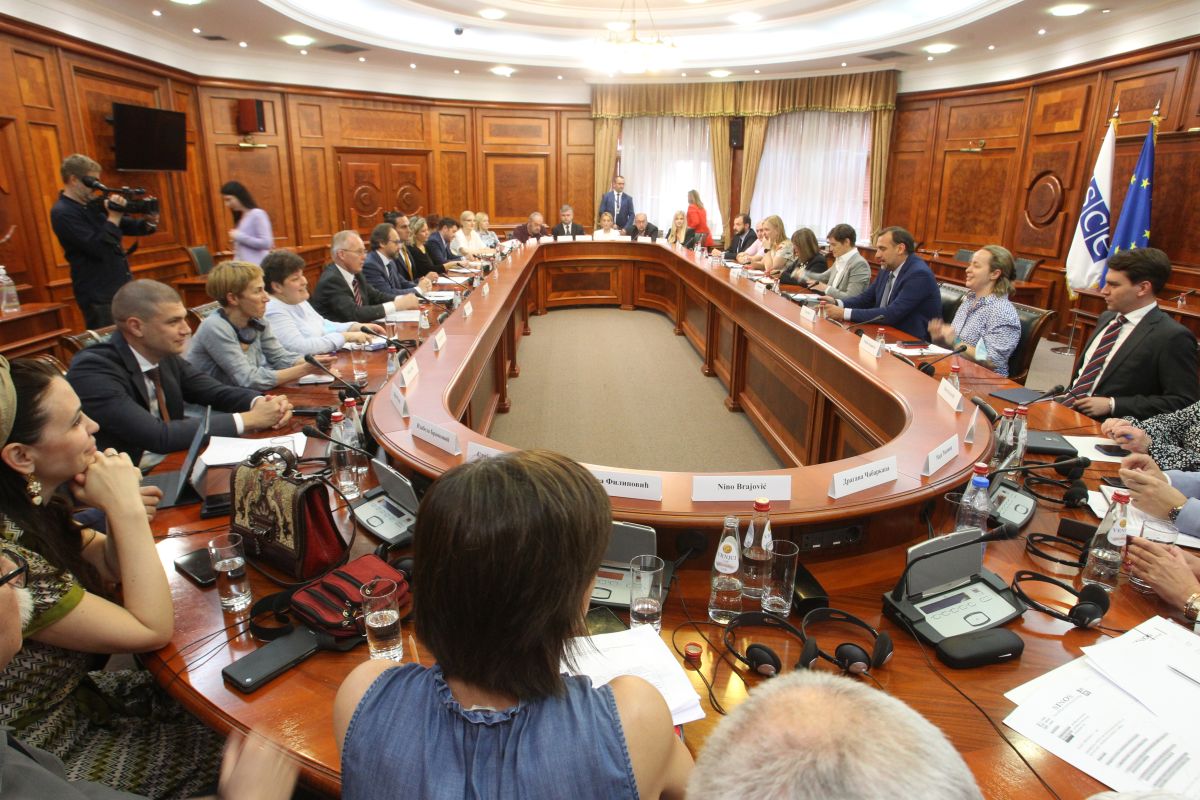
Prime Minister Ana Brnabic and Deputy Prime Minister and Minister of Culture and Information Maja Gojkovic met today with members of the Working Group in charge of monitoring the implementation of the Media Strategy Action Plan, with whom they discussed the implementation of that plan and priorities for the coming period.

Q:
A:
Amendments to Public Information and Media Law among priorities
Belgrade,
2 June 2022
In addition to members of the Working Group from media and journalist associations and state bodies, the meeting was also attended by Head of the EU Delegation to Serbia Ambassador Emanuele Giaufret, Head of the OSCE Mission to Serbia Ambassador Jan Braathu and representatives of the Embassy of the Kingdom of Norway and the Konrad Adenauer Foundation. the partners who took part in the development of the Media Strategy and the Action Plan.
Brnabic expressed gratitude to all participants in the meeting, especially to representatives of media and journalist associations, for their assessments and proposals regarding further implementation of the Media Strategy and Action Plan, and once again stressed the importance of continuing dialogue, which is in the common interest.
She pointed out that the priorities in the coming period must be, above all, amendments to the Public Information and Media Law, that the process should be accelerated and that consultations should continue during the caretaker government.
In addition to that law, the Prime Minister singled out as a priority the continuation of work on amendments to the Criminal Code in connection with issues of criminal protection of journalists, as well as amendments to the Law on Electronic Media.
The Prime Minister also asked for help from partners from international organisations to prepare the missing analysis of the relevant media market.
Gojkovic said that for the Ministry of Culture and Information, amendments to the mentioned laws remain an absolute priority, and added that these are extremely important documents that require a broad public debate.
Representatives of media and journalist associations, who are members of the Working Group, agreed that part of the activities from the Action Plan have been done, but that there are delays in implementation.
The common assessment is that the adoption of amendments to the Public Information and Media Law is especially late and that it is very important to speed up the process.
Amendments to that law are important because of the issue of project co-financing that needs to be carefully regulated, but also because of the establishment of socio-economic dialogue for better professional and labour status of journalists and media workers.
According to the representatives of media and journalist associations, the working group that worked on the amendments to the law had a large number of members, which affected its efficiency.
In addition to this, it was said that the amendments to the Law on Electronic Media are being delayed.
Speaking of individual activities, a good example are the projects related to the field of media literacy.
The importance of the issue of trade union organisation and the labour status of journalists was also highlighted in the conversation.
Giaufret reiterated that freedom of the media and freedom of expression are extremely important for the EU, adding that it is very positive that the Media Strategy was adopted in an inclusive and transparent process, but that implementation has been delayed, especially with regard to important expected legislative changes.
According to him, that is why it is important that the Working Group continues to monitor and direct the implementation of the Action Plan, and it is necessary to accelerate this process in order to achieve concrete positive changes.
Braathu announced that the OSCE will continue to support the activities on the implementation of the strategy, as well as all activities that are jointly carried out on improving the security and protection of journalists.
He pointed out that the introduction of the SOS hotline for reporting threats and endangering the safety of journalists is one of the solutions that was praised among the members of this organisation.
The Head of the OSCE Mission to Serbia also emphasised the importance of the Press Council for the improvement of the Serbian media scene, and added that the OSCE will continue to support the work of that body.
It was agreed to hold a new meeting in a similar format as soon as possible, focusing on amendments to the Public Information and Media Law.
-
 Belgrade, 15 February 2026
Serbia, Azerbaijan sign seven cooperation documents
-
 Belgrade/Munich, 15 February 2026
Great importance of Germany’s continued development assistance to Serbia
-
 Belgrade/Munich, 14 February 2026
Strategic partnership with US one of Serbia’s priority goals
-
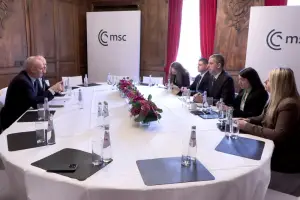 Belgrade/Munich, 14 February 2026
Serbia NATO’s reliable, predictable partner
-
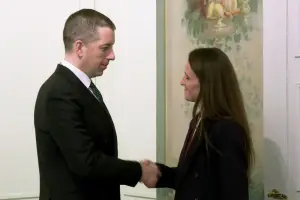 Belgrade/Munich, 14 February 2026
Regional cooperation among Serbia’s key foreign policy priorities
-
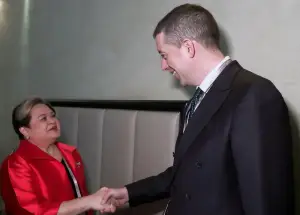 Belgrade/Munich, 14 February 2026
Further strengthening of bilateral relations with Philippines
-
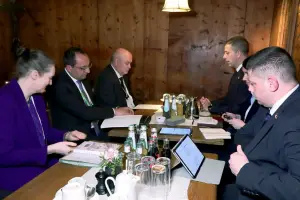 Belgrade/Munich, 13 February 2026
Serbia’s consistent commitment to principles of sovereignty, territorial integrity
-
 Belgrade/Munich, 13 February 2026
Government fully committed to meeting obligations in EU accession process
-
 Belgrade, 11 February 2026
Ample space for advancing cooperation with Ukraine in field of education
-
 Belgrade, 11 February 2026
Spain’s support for Serbia’s European path