Q:
A:
Only UN Security Council can decide on reconfiguration of UNMIK
Belgrade/New York,
20 June 2008
Serbian President Boris Tadic said today in New York that only the UN Security Council can make a decision on reconfiguration of the UN mission in Kosovo (UNMIK) and that Belgrade does not accept UN Secretary-General Ban Ki-moon’s proposal for changing the structure of the international presence in Kosovo-Metohija.
Author:
Tanjug/RTS
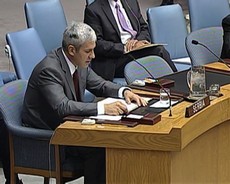
Speaking at a UN Security Council session, Tadic said that the Security Council is the only institution that has the authority to legitimately change the composition of the international presence in Kosovo-Metohija, as clearly defined by items 5 and 19 of Resolution 1244.
He underlined that Serbia cannot accept Ban Ki-moon’s report because it believes that activities proposed there will not lead to a compromise solution to the future status of Kosovo.
As long as the process of establishing the future status of Kosovo, as envisaged by Resolution 1244, is incomplete, the international community led by the UN must keep its central role in safeguarding peace and stability in Kosovo-Metohija, the Serbian president said.
Tadic reminded those present that Security Council Resolution 1244 and Chapter VII of the UN Charter bind all UN member states to respect Serbia’s sovereignty and territorial integrity.
Out of 192 UN member states, a great majority still respect those principles and obligations. On behalf of the Republic of Serbia, let me express my gratitude for their respect of international law and clearly reiterate my country’s commitment to those principles, Tadic said.
Serbia is ready for a dialogue within the UN in order to achieve a satisfying result, the Serbian president underlined and reiterated Serbia’s position that the unilateral declaration of independence directly violates the UN Charter, the Helsinki Final Act, and other basic principles of international order.
He said that the decision of some countries to recognise Kosovo’s independence put peace and stability in the western Balkans at risk and that it has put back the work of the Security Council on resolving the Kosovo issue by ten years.
The Serbian president said that in that way, an environment has been created in which the international legal system is more and more unstable, the world is less and less safe and there is a danger of unpredicted escalations of crises in different parts of the world.
According to Tadic, Serbia has ruled out the option of using force and established its right to prevent the so called independent state of Kosovo from becoming a part of the global community of sovereign states through peaceful, diplomatic and political means.
Serbia will never recognise Kosovo’s independence. We will continue to work to find legal means to bridge differences, to bring opposing sides closer and find a compromise to resolve the historical conflict between Serbs and Albanians, said Tadic.
Commenting on Ban Ki-moon’s report which speaks of the emergence of a new reality in Kosovo following the declaration of independence and implementation of the constitution of Kosovo, Tadic expressed concern over the fact that the report gives the impression that the violation of Resolution 1244 has been silently accepted.
The Serbian President pointed to attempts by a few influential countries to satisfy the interests of only one ethnic group, which sought for its extremist demands to be met through threats of violence.
This is not an acceptable way to resolve problems. International peace and security can be strengthened only through dialogue, agreement and respect of law, and by no means through forced solutions and threats, said Tadic.
He expressed concern also over the implicit change in NATO’s attitude which became evident at the recent ministerial meeting in Brussels.
Even though NATO once again confirmed that it is status neutral and committed to Resolution 1244, it was announced that KFOR will take over so called new tasks, said Tadic.
The Serbian President also said that he is concerned due to the possibility that parts of the international forces in Kosovo will help in the formation and training of an illegal army in the province.
Taking steps like that will damage the trust placed by all ethnic communities in the southern Serbian province in KFOR, particularly the Kosovo Serbs, stressed Tadic and added that this wrong move will undermine relations between KFOR and the Serbian Army as well.
He underlined the importance of finding a legal way to resolve the Kosovo status issue, in a manner acceptable to all sides, to be approved by the Security Council.
Only this approach can lead to a lasting solution which can bring long term stability and pave the way to an economic future which Europe in the 21st century can provide to all those living in the Balkans, said the Serbian President.
He said that he sees European integration as the key to Serbia’s future success and reiterated that now is the time for peace, economic development and progress.
He underlined that Serbia cannot accept Ban Ki-moon’s report because it believes that activities proposed there will not lead to a compromise solution to the future status of Kosovo.
As long as the process of establishing the future status of Kosovo, as envisaged by Resolution 1244, is incomplete, the international community led by the UN must keep its central role in safeguarding peace and stability in Kosovo-Metohija, the Serbian president said.
Tadic reminded those present that Security Council Resolution 1244 and Chapter VII of the UN Charter bind all UN member states to respect Serbia’s sovereignty and territorial integrity.
Out of 192 UN member states, a great majority still respect those principles and obligations. On behalf of the Republic of Serbia, let me express my gratitude for their respect of international law and clearly reiterate my country’s commitment to those principles, Tadic said.
Serbia is ready for a dialogue within the UN in order to achieve a satisfying result, the Serbian president underlined and reiterated Serbia’s position that the unilateral declaration of independence directly violates the UN Charter, the Helsinki Final Act, and other basic principles of international order.
He said that the decision of some countries to recognise Kosovo’s independence put peace and stability in the western Balkans at risk and that it has put back the work of the Security Council on resolving the Kosovo issue by ten years.
The Serbian president said that in that way, an environment has been created in which the international legal system is more and more unstable, the world is less and less safe and there is a danger of unpredicted escalations of crises in different parts of the world.
According to Tadic, Serbia has ruled out the option of using force and established its right to prevent the so called independent state of Kosovo from becoming a part of the global community of sovereign states through peaceful, diplomatic and political means.
Serbia will never recognise Kosovo’s independence. We will continue to work to find legal means to bridge differences, to bring opposing sides closer and find a compromise to resolve the historical conflict between Serbs and Albanians, said Tadic.
Commenting on Ban Ki-moon’s report which speaks of the emergence of a new reality in Kosovo following the declaration of independence and implementation of the constitution of Kosovo, Tadic expressed concern over the fact that the report gives the impression that the violation of Resolution 1244 has been silently accepted.
The Serbian President pointed to attempts by a few influential countries to satisfy the interests of only one ethnic group, which sought for its extremist demands to be met through threats of violence.
This is not an acceptable way to resolve problems. International peace and security can be strengthened only through dialogue, agreement and respect of law, and by no means through forced solutions and threats, said Tadic.
He expressed concern also over the implicit change in NATO’s attitude which became evident at the recent ministerial meeting in Brussels.
Even though NATO once again confirmed that it is status neutral and committed to Resolution 1244, it was announced that KFOR will take over so called new tasks, said Tadic.
The Serbian President also said that he is concerned due to the possibility that parts of the international forces in Kosovo will help in the formation and training of an illegal army in the province.
Taking steps like that will damage the trust placed by all ethnic communities in the southern Serbian province in KFOR, particularly the Kosovo Serbs, stressed Tadic and added that this wrong move will undermine relations between KFOR and the Serbian Army as well.
He underlined the importance of finding a legal way to resolve the Kosovo status issue, in a manner acceptable to all sides, to be approved by the Security Council.
Only this approach can lead to a lasting solution which can bring long term stability and pave the way to an economic future which Europe in the 21st century can provide to all those living in the Balkans, said the Serbian President.
He said that he sees European integration as the key to Serbia’s future success and reiterated that now is the time for peace, economic development and progress.
-
 Belgrade, 28 August 2026
Church broken into, ransacked in Bušince village in Kosovska Kamenica
-
 Belgrade, 27 August 2026
Remembrance of suffering of Serb civilians in village of Klečka
-
 Belgrade, 30 July 2026
Continued illegal demolition of Serb-owned buildings near Lake Gazivode
-
 Belgrade, 29 July 2026
Works in Special Protective Zone of Visoki Dečani Monastery must be halted
-
 Belgrade, 23 July 2026
Priština continues with unilateral, illegal moves
-
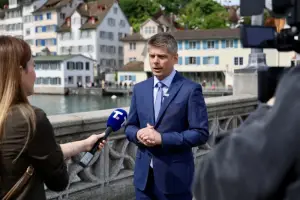 Belgrade/Zurich, 4 June 2026
Exhibition in Zurich on position of Serbs in Kosovo and Metohija
-
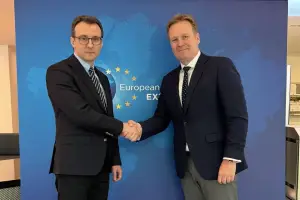 Belgrade/Brussels, 12 May 2026
Belgrade seeking concrete steps towards establishment of Community of Serb Municipalities
-
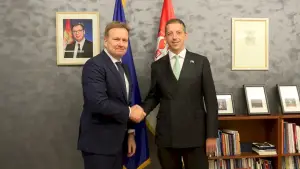 Belgrade/Brussels, 11 May 2026
Belgrade-Priština dialogue not dialogue on mutual recognition
-
 Belgrade, 10 April 2026
Serbian health centres closed in villages of Suvo Grlo, Banje