Q:
A:
Samardzic talks with Spanish media representatives
Belgrade,
23 April 2008
Serbian Minister for Kosovo-Metohija Slobodan Samardzic talked today with representatives of the 15 leading Spanish print and electronic media, who are on a visit to Belgrade, organised by the Serbian and Spanish embassies and European Commission delegations in Madrid and Belgrade.
In the talks with Samardzic, editors-in-chief and reporters of the leading Spanish media El Mundo, El Pais, Tiempo, Tele Madrid, ABC, Europa Press and others expressed great interest and full understanding of the situation Serbia is in after the unilateral and illegal proclamation of independence of Kosovo by Kosovo Albanians.
Samardzic said that at this point in time it is very important for Serbia that Spain persists in its refusal to recognise the self-proclaimed independence of the southern Serbian province, and thanked Spain for its principled stance.
He said that the situation in the province has worsened after the self-proclamation of independence and its recognition by some states that were pressured to do so by the US and some EU members.
Samardzic reiterated that Belgrade does not recognise the EU mission, EULEX, in Kosovo-Metohija since it has been deployed without Serbia’s consent, without the approval of the UN Security Council and on the basis of illegal documents such as Ahtisaari’s plan which has never been approved by the UN Security Council and the so-called common action. That is why the EU mission is not only a legal, but also a political problem for relations between Serbia and the European Union.
He said that the rift in the government emerged after the EU directly meddled in Serbia’s internal affairs, after the US and the European Union recognised Kosovo, the “hot potato” as their own problem and now they are trying to solve it in a completely non-European way, not by reaching compromise, but by imposing a solution on one side – in this case, Serbia.
Samardzic said that Serbia entered the negotiations on the Stabilisation and Association Agreement (SAA) as a whole country, while at this stage two-thirds of EU countries have recognised the self-proclaimed independence of the province.
This is why the EU must clearly and unambiguously state its stance on Kosovo, reiterated the Minister and added that Belgrade is still committed to the search for a compromise solution to the future status of Kosovo, which implies broad and substantial autonomy for Albanians, like nowhere else in the world.
Asked about Serbia’s response to Kosovo’s de facto independence, Samardzic said that this is not a legal response that Belgrade acknowledges, and pointed to the existence of other de facto situations, such as de facto institutions in Serb inhabited areas which are controlled from Belgrade.
However, Serbia does not accept de facto situations and demands that the talks should resume until a compromise and sustainable long-term solution is found, he added.
When asked whether Belgrade fears that elections in the province might be deemed as a provocation, Samardzic said that we must bear in mind the context – that Belgrade does not recognise Kosovo’s unilateral independence and is organising elections on its territory. Therefore the UN Secretary General’s Special Representative Joachim Ruecker in fact illegally transferred authorisations for holding elections to provisional authorities in Pristina, thus violating UN Security Council Resolution 1244, he added.
He stressed that this was not Belgrade’s intention, but the context is such that elections must be held, because areas inhabited by Serbs need representatives chosen in a democratic way.
Speaking about the future status of local Serbian authorities following elections in Kosovo, Samardzic explained that until an additional political agreement is reached with UNMIK, they will represent a de facto section of Serbian authorities in the field and through their work help Serbs to remain on their land and live as Serbian citizens.
He rejected the notion of partitioning Kosovo, stressing that Belgrade has never proposed anything like that and warned that this notion is very sensitive for the region with Serbia situated at its very centre, because a chain reaction might ensue which would be hard to control.
The Minister once again pointed to the importance of Spain’s principled stance and thanked the Spanish media for their support and understanding.
Samardzic said that at this point in time it is very important for Serbia that Spain persists in its refusal to recognise the self-proclaimed independence of the southern Serbian province, and thanked Spain for its principled stance.
He said that the situation in the province has worsened after the self-proclamation of independence and its recognition by some states that were pressured to do so by the US and some EU members.
Samardzic reiterated that Belgrade does not recognise the EU mission, EULEX, in Kosovo-Metohija since it has been deployed without Serbia’s consent, without the approval of the UN Security Council and on the basis of illegal documents such as Ahtisaari’s plan which has never been approved by the UN Security Council and the so-called common action. That is why the EU mission is not only a legal, but also a political problem for relations between Serbia and the European Union.
He said that the rift in the government emerged after the EU directly meddled in Serbia’s internal affairs, after the US and the European Union recognised Kosovo, the “hot potato” as their own problem and now they are trying to solve it in a completely non-European way, not by reaching compromise, but by imposing a solution on one side – in this case, Serbia.
Samardzic said that Serbia entered the negotiations on the Stabilisation and Association Agreement (SAA) as a whole country, while at this stage two-thirds of EU countries have recognised the self-proclaimed independence of the province.
This is why the EU must clearly and unambiguously state its stance on Kosovo, reiterated the Minister and added that Belgrade is still committed to the search for a compromise solution to the future status of Kosovo, which implies broad and substantial autonomy for Albanians, like nowhere else in the world.
Asked about Serbia’s response to Kosovo’s de facto independence, Samardzic said that this is not a legal response that Belgrade acknowledges, and pointed to the existence of other de facto situations, such as de facto institutions in Serb inhabited areas which are controlled from Belgrade.
However, Serbia does not accept de facto situations and demands that the talks should resume until a compromise and sustainable long-term solution is found, he added.
When asked whether Belgrade fears that elections in the province might be deemed as a provocation, Samardzic said that we must bear in mind the context – that Belgrade does not recognise Kosovo’s unilateral independence and is organising elections on its territory. Therefore the UN Secretary General’s Special Representative Joachim Ruecker in fact illegally transferred authorisations for holding elections to provisional authorities in Pristina, thus violating UN Security Council Resolution 1244, he added.
He stressed that this was not Belgrade’s intention, but the context is such that elections must be held, because areas inhabited by Serbs need representatives chosen in a democratic way.
Speaking about the future status of local Serbian authorities following elections in Kosovo, Samardzic explained that until an additional political agreement is reached with UNMIK, they will represent a de facto section of Serbian authorities in the field and through their work help Serbs to remain on their land and live as Serbian citizens.
He rejected the notion of partitioning Kosovo, stressing that Belgrade has never proposed anything like that and warned that this notion is very sensitive for the region with Serbia situated at its very centre, because a chain reaction might ensue which would be hard to control.
The Minister once again pointed to the importance of Spain’s principled stance and thanked the Spanish media for their support and understanding.
-
 Belgrade, 28 August 2026
Church broken into, ransacked in Bušince village in Kosovska Kamenica
-
 Belgrade, 27 August 2026
Remembrance of suffering of Serb civilians in village of Klečka
-
 Belgrade, 30 July 2026
Continued illegal demolition of Serb-owned buildings near Lake Gazivode
-
 Belgrade, 29 July 2026
Works in Special Protective Zone of Visoki Dečani Monastery must be halted
-
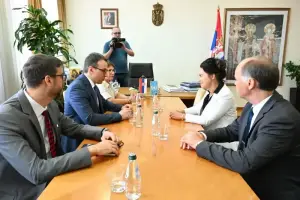 Belgrade, 23 July 2026
Priština continues with unilateral, illegal moves
-
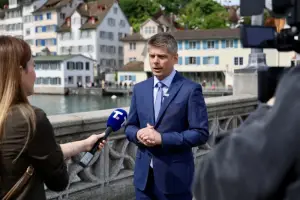 Belgrade/Zurich, 4 June 2026
Exhibition in Zurich on position of Serbs in Kosovo and Metohija
-
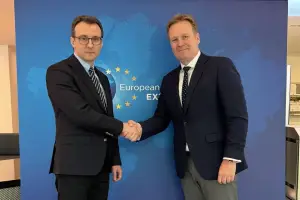 Belgrade/Brussels, 12 May 2026
Belgrade seeking concrete steps towards establishment of Community of Serb Municipalities
-
 Belgrade/Brussels, 11 May 2026
Belgrade-Priština dialogue not dialogue on mutual recognition
-
 Belgrade, 10 April 2026
Serbian health centres closed in villages of Suvo Grlo, Banje