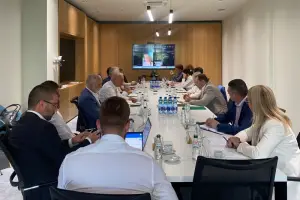
Ministers of agriculture and heads of delegations from Southeast European (SEE) countries adopted joint conclusions today in Belgrade at their 20th anniversary meeting.

Q:
A:
SEE agriculture ministers adopt conclusions on agricultural, rural development priorities
Belgrade,
30 September 2026
Meeting participants reaffirmed their shared commitment to aligning with the EU acquis and the Common Agricultural Policy, acknowledging that regional cooperation is a key factor in accelerating the EU accession process.
Particular emphasis was placed on continued alignment with the EU acquis and the Common Agricultural Policy – including the areas covered by Chapters 11, 12, and 13 – as well as on the establishment and further development of the Integrated Administration and Control System (IACS), the implementation of the Land Parcel Identification System (LPIS), and the strengthening of food safety systems and veterinary and phytosanitary services, with the aim of achieving the highest possible level of alignment by 2030.
The conclusions also called for the establishment of a structured framework to facilitate the accession and integration of the Western Balkans’ agricultural sector into the EU, linking the European Commission’s reform priorities and Annual Report recommendations with the strengthening of institutional capacities, investment needs and available EU instruments.
Support was expressed for the gradual integration of Western Balkan partners and the Republic of Moldova into European structures regarding agriculture, advisory services, research and crisis preparedness, wherever feasible and in compliance with EU rules.
Agreement was reached on strengthening regional preparedness for crises that could threaten agriculture and food supplies, improving data exchange and early warning systems, and ensuring coordinated action in the event of transboundary animal diseases and plant pests.
-
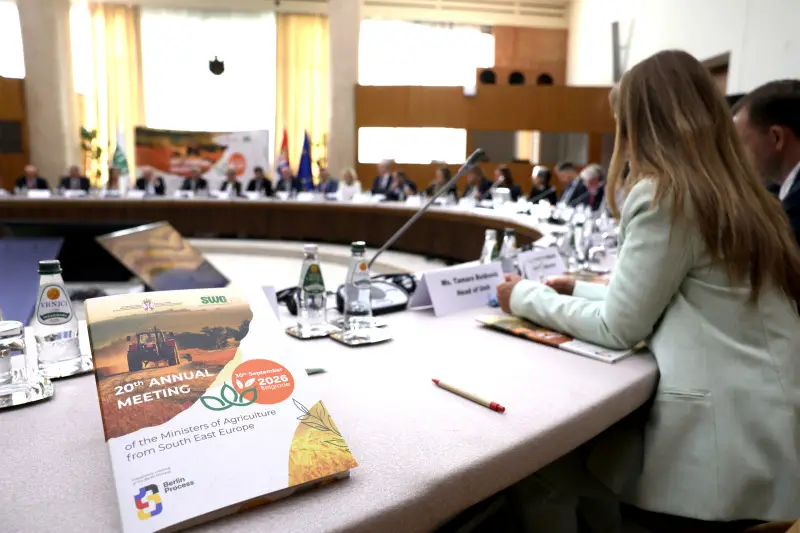 Author: Ministry of Agriculture, Forestry and Water Management
-
 Belgrade, 30 September 2026
US Department of Treasury extends NIS operating licence until 30 October
-
 Belgrade, 30 September 2026
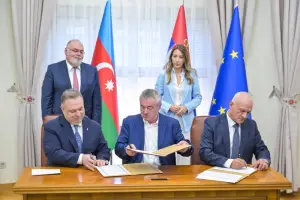
Gas power plant construction in Niš: strategic Serbia-Azerbaijan project
-
 Belgrade, 30 September 2026
Serbia aligns agriculture with EU standards through concrete reforms
-
 Belgrade, 28 September 2026
Gas interconnection with Romania to further enhance energy security
-
 Belgrade, 17 September 2026
Investment in infrastructure cornerstone of Serbia’s development
-
 Belgrade, 11 September 2026
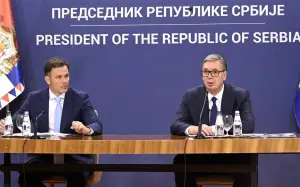
Salaries, pensions to increase as of 1 December
-
 Belgrade, 7 September 2026
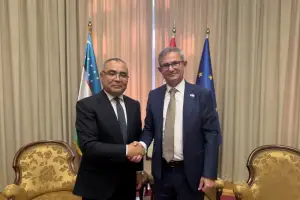
Building long-term partnership with Uzbekistan in agriculture
-
 Belgrade, 31 August 2026
Dinar-denominated government bonds available to global investors
-
 Šabac, 29 August 2026
Opening of humanoid robot factory in Šabac marks Serbia’s leap into future
-
 Belgrade, 14 August 2026
Intensified work on gas-fired power plant project near Niš