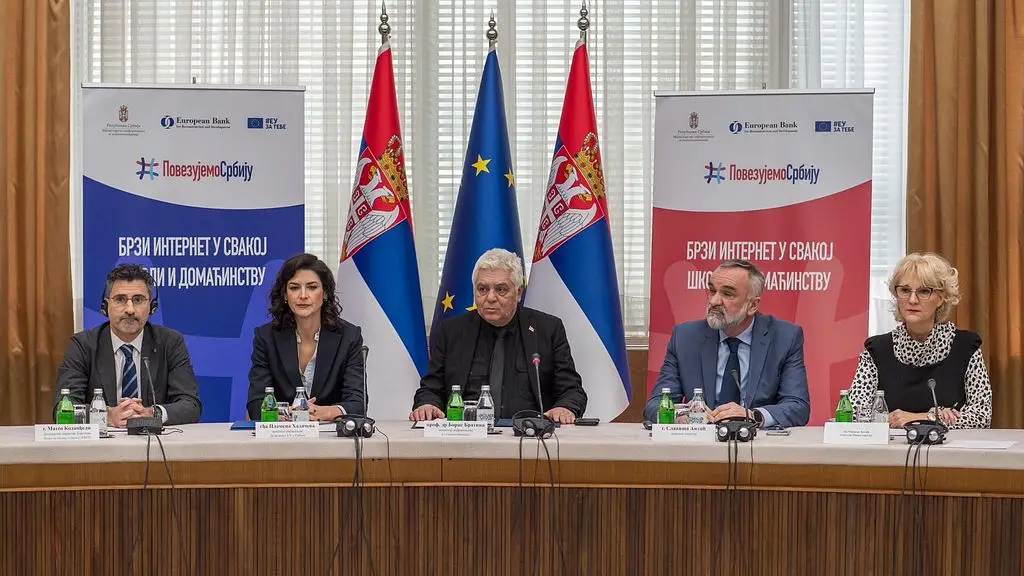
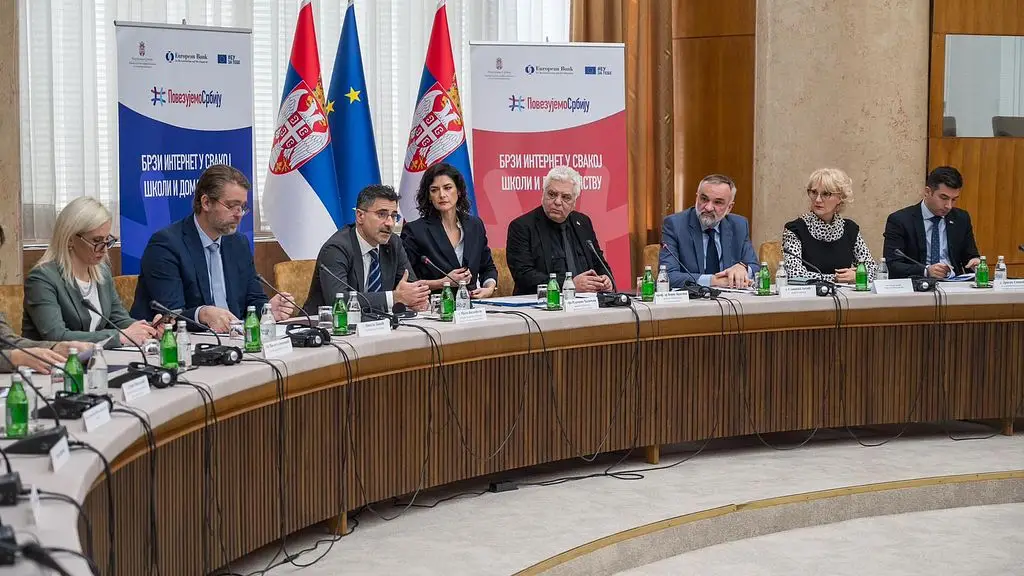
Minister of Information and Telecommunications Professor Boris Bratina, PhD, stated today that every school and household, even in the most remote parts of the country, will have access to high-speed internet by the completion of the Serbia Rural Broadband Rollout project.

Q:
A:
Digital infrastructure basis for development of all parts of country
Belgrade,
8 December 2025
Speaking at the Palace of Serbia at the ceremonial announcement of the beginning of the second phase of works, Bratina underlined that this will create equal opportunities for education, work and starting a business, while also strengthening the competitiveness of the domestic economy.
The Minister said that in the coming period, more than 3,200 kilometres of optical network will be built, covering around 470 villages inhabited by approximately 212,000 citizens, while during the first phase, which began in September 2022, 1,600 kilometres of network had already been installed across 400 settlements.
According to him, the project also includes the introduction of internet access in 700 primary schools and satellite units, and all works are expected to be completed by September 2027.
The Minister added that the total value of the project, implemented by the Ministry of Information and Telecommunications with the support of the European Bank for Reconstruction and Development (EBRD) and the Western Balkans Investment Framework (WBIF), stands at €142 million.
EBRD Regional Director for the Western Balkans Matteo Colangeli said that high-speed internet in rural areas brings economic opportunities, particularly for small businesses, adding that EBRD investments in Serbia – through approximately 400 projects since 2001 – have reached €10 billion, half of which has been directed towards supporting small and medium-sized enterprises.
Deputy Head of the EU Delegation to Serbia Plamena Halacheva, speaking on behalf of the Western Balkans Investment Framework, said that the project is an example of successful partnership between Serbia and the European Union in modernising digital infrastructure.
Halacheva noted that today marks a further significant step forward with an additional €33 million in EU support and the activation of an EBRD loan of €100 million, which will enable Serbia’s optical network to extend deeper into rural areas where connectivity is most needed.
-
 Author: Ministry of Information and Telecommunications
 -
 Author: Ministry of Information and Telecommunications
 -
 Author: Ministry of Information and Telecommunications
-
 Belgrade, 11 October 2026
Best wines, brandies at "Wine Vision by Open Balkan" announced
-
 Belgrade, 10 October 2026
“Wine Vision by Open Balkan” gathers producers from over 30 countries
-
 Belgrade, 9 October 2026
Further strengthening of traditionally good relations with Venezuela
-
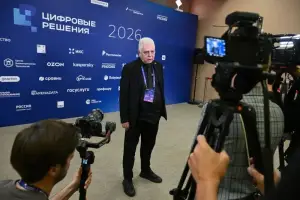 Belgrade/Moscow, 9 October 2026
Harnessing potential of AI for economic, social development
-
 Belgrade, 9 October 2026
Further strengthening Serbia-China partnership in agriculture
-
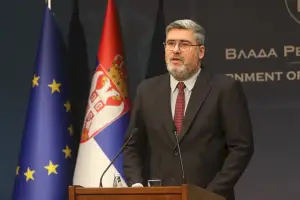 Belgrade, 8 October 2026
Co-financing European Territorial Cooperation projects
-
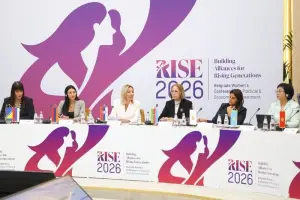 Belgrade, 8 October 2026
Strengthening alliances for political, economic empowerment of women
-
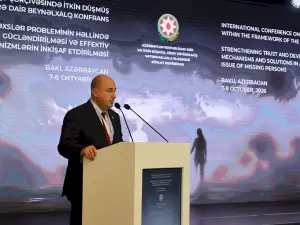 Belgrade/Baku, 7 October 2026
Serbia attaches great importance to resolving issue of missing persons
-
.webp) Belgrade, 7 October 2026
Belgrade, 7 October 2026Agricultural cooperation with Slovakia to be raised to higher level
-
 Belgrade, 6 October 2026
Regular political, economic dialogue solid foundation for strengthening cooperation with Switzerland