
Q:
A:
Serbia will fulfill all conditions so its citizens may travel across Europe without visas
Belgrade,
28 April 2006
Director of the Serbian government’s EU Integration Office Tanja Miscevic expressed hope that the EU will not apply its visa price hike plan on citizens of Serbia-Montenegro in 2008 as by that time the state will have fulfilled all necessary conditions for its citizens to be able to travel across EU without visas.
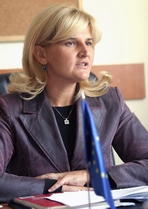
Tanja Miscevic
Author:
FoNet
In a statement with daily Blic, Miscevic commented the decision of EU ministers to increase the price of a visa for the EU's borderless Schengen zone which is to go up from €35 to €60 as of January 1, 2007, but which will not apply to Serbia-Montenegro’s citizens until 2008. She said that early this week in a meeting in Brussels, she presented the EU ministers with Serbia’s proposal on visa facilitations for its citizens.
She expressed hope that talks on the relaxed visa regime for Serbian citizens will begin in autumn while the regime should become effective next year.
According to Miscevic, the Serbia-Montenegrin delegation demanded that the European Commission introduce the relaxed visa regime for citizens who travel to EU countries to visit their relatives, students, scientists, researchers, journalists, businessmen, public servants, sportsmen and cultural workers as well as activists of political organisations.
In addition, we proposed that the relaxed visa regime applies to pilots, airplane staff, truck drivers and anyone dealing in transport, she said. Visa facilitation measures should also include patients needing treatment abroad, explained Miscevic.
She stressed that facilitation measures will not include all students, only those who have been granted a scholarship or have been invited by Schengen Agreement signatories.
According to Miscevic, the agreement with the EU on the stated categories means that fewer documents will have to be submitted for a visa, that the procedure will take less time and when granted, visas will be valid for a longer period and will imply a greater number of allowed entries.
To help citizens get visas more easily, Serbia will have to sign another readmission agreement with the European Commission, on behalf of the 25 EU member countries. According to this agreement, these 25 countries will return all Serbian citizens that are currently living there illegally she said.
Miscevic added that Serbia will also have to fulfill other conditions, such as issuing new travel documents, adopting a law on asylum, and replacing the army on state borders with members of police units.
She expressed hope that talks on the relaxed visa regime for Serbian citizens will begin in autumn while the regime should become effective next year.
According to Miscevic, the Serbia-Montenegrin delegation demanded that the European Commission introduce the relaxed visa regime for citizens who travel to EU countries to visit their relatives, students, scientists, researchers, journalists, businessmen, public servants, sportsmen and cultural workers as well as activists of political organisations.
In addition, we proposed that the relaxed visa regime applies to pilots, airplane staff, truck drivers and anyone dealing in transport, she said. Visa facilitation measures should also include patients needing treatment abroad, explained Miscevic.
She stressed that facilitation measures will not include all students, only those who have been granted a scholarship or have been invited by Schengen Agreement signatories.
According to Miscevic, the agreement with the EU on the stated categories means that fewer documents will have to be submitted for a visa, that the procedure will take less time and when granted, visas will be valid for a longer period and will imply a greater number of allowed entries.
To help citizens get visas more easily, Serbia will have to sign another readmission agreement with the European Commission, on behalf of the 25 EU member countries. According to this agreement, these 25 countries will return all Serbian citizens that are currently living there illegally she said.
Miscevic added that Serbia will also have to fulfill other conditions, such as issuing new travel documents, adopting a law on asylum, and replacing the army on state borders with members of police units.

-
 Belgrade, 10 July 2026
Advancing cooperation with Republic of Korea in digital governance
-
 Belgrade/Rome, 10 July 2026
Continued strengthening of overall cooperation between Serbia, Hungary
-
 Belgrade/Brussels, 9 July 2026
Continuing activities to meet European Commission’s recommendations
-
 Belgrade, 9 July 2026
German development support important pillar for Serbia’s reforms, European path
-
 Belgrade, 8 July 2026
Continued cooperation with GIZ on improving position of women in Serbia
-
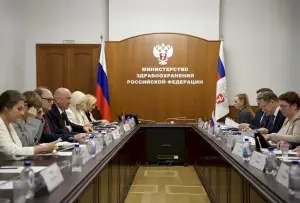 Belgrade/Moscow, 8 July 2026
Cooperation between Serbia, Russia in field of modern oncology therapies
-
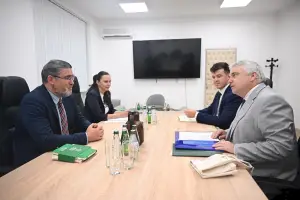 Belgrade, 8 July 2026
Ireland’s support for reform processes in Serbia on path to EU
-
 Belgrade, 8 July 2026
Continued strengthening of cooperation with Belgium in European integration process
-
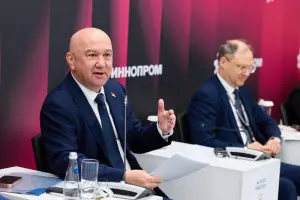 Belgrade, 7 July 2026
Possibilities for improving cooperation with Russia in several areas
-
 Belgrade, 7 July 2026
UN support for building equal opportunities society continues