Q:
A:
ICJ’s opinion chance for compromise between Serbs, Albanians
Belgrade/New York,
17 May 2010
Minister of Foreign Affairs Vuk Jeremic said that the opinion of the International Court of Justice (ICJ) about the legality of Kosovo’s unilaterally declared independence will create an unprecedented opportunity to reach a strategic compromise between Serbs and Albanians.

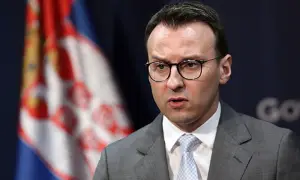
Vuk Jeremic at today's UN Security Council session
Author:
Radio Television of Serbia
At the UN Security Council session dedicated to the situation in Kosovo-Metohija, Jeremic said that the ICJ will soon announce its decision on the legality of the province’s unilaterally declared independence, reiterating that ICJ judges must be allowed to work without political pressure, such as new recognitions of the province’s independence.
The Minister said that despite unfortunate events in the south Serbian province, a promising time is coming, noting that this year may be a year of mutual success.
I would like to assure the Security Council that Serbia is ready to be flexible and committed in its engagement to solve this issue. Our intention is not to freeze the conflict, to triumph or subject anyone to our will, Jeremic said.
He recalled that regardless of differing views, more than two years after the province’s declaration of independence its status is evidently still a contentious issue.
The Minister stressed that the unilateral declaration of Kosovo’s independence has divided the world and brought into question the fundamental principles of the contemporary international system, while at the same time it did not contribute to safety in the Balkans, or boost cooperation in the region.
This is why the only way ahead is to reach a just compromise, harmonising the wishes and interests of the two peoples, which is a goal Serbia will pursue until it is achieved, he noted.
Jeremic said that simply waiting for the situation to resolve itself and hoping that eventually one side will have to give in is in fact a recipe that would freeze the province in an undefined status, adding that this is certainly not something for which anyone would want to be held responsible.
He recalled that the majority of UN and Security Council members strongly oppose a violent division of Serbia, reiterating Belgrade’s stance that it will never recognise the province’s unilateral declaration of independence.
Serbia’s adamant and principled stance is that it will never recognise Kosovo’s unilaterally declared independence and that it will keep defending its position without confrontation and by diplomatic means, the Minister said.
As for the situation in the field, he stressed it is of crucial importance that the UN Security Council continue endorsing UNMIK as the main pillar of peace and stability in the province. He stated that Serbia appreciates the constructive approach of UNMIK very much, together with organisations that work under its authority, like EULEX.
Jeremic underlined that the lack of agreement concerning the status of Kosovo must not obstruct the resolution of practical issues. He recalled that on several occasions Albanian authorities in Kosovo refused to take a pragmatic and neutral approach to practical problems, especially in the field of rule of law.
Pristina rejected the agreement on progress in the judiciary field, especially referring to the court in Kosovska Mitrovica, which was made during the visit of EULEX Chief Yves de Kermabon to Belgrade on 2 March, Jeremic said and warned that the report of the UN Secretary-General unfortunately plays down the seriousness of growing challenges in Kosovo. The Minister pointed to the case of Kosovo Minister of Transport Fatmir Limaj, who is under the investigation for money laundering, organised crime, abuse of position and embezzlement. He also pointed to the fact that the EULEX Chief Prosecutor made hints that Prime Minister of Kosovo Hashim Thaci had tried to dissuade him from pursuing this case. He also said that the association of veterans of the Kosovo Liberation Army (KLA) threatened EULEX after it had arrested their commander Sabit Geci, accused of war crimes in relation to trade in organs of Serbian civilians in the so-called “yellow house”. Jeremic pointed out that the Pristina authorities have illegally banished some Serbian functionaries from Kosovo recently. In addition, the Kosovo special police used force one-sidedly against Serbian operators of mobile and fixed lines to make it impossible for Kosovo Serbs to communicate with the world outside the enclaves. That is a serious violation of the modern norms of humanity and such unilateral moves must not be repeated, Jeremic underlined. He made the point that the security of the Serbian cultural and religious heritage in Kosovo is very disturbing. The report of the UN Secretary-General cites a series of incidents, including acts of vandalism on churches, desecration of tombs and theft of icons. Jeremic, however, said that the report did not mention that no progress had been made in annulling the decision to cover with concrete the remains of the Serbian church in Djakovica that had been destroyed twice. These examples are not isolated incidents, they are parts of reality in Kosovo-Metohija after the unilateral proclamation of its independence, which directly influences the return of 205, 835 expelled Serbs, as registered by the UNHCR, the Minister warned.
Jeremic said that only several hundreds of Kosovo Serbs returned to their homes during last year, which is a disturbing fact since this is less than half a percent of the total number of expelled Serbs.
The Minister said that despite unfortunate events in the south Serbian province, a promising time is coming, noting that this year may be a year of mutual success.
I would like to assure the Security Council that Serbia is ready to be flexible and committed in its engagement to solve this issue. Our intention is not to freeze the conflict, to triumph or subject anyone to our will, Jeremic said.
He recalled that regardless of differing views, more than two years after the province’s declaration of independence its status is evidently still a contentious issue.
The Minister stressed that the unilateral declaration of Kosovo’s independence has divided the world and brought into question the fundamental principles of the contemporary international system, while at the same time it did not contribute to safety in the Balkans, or boost cooperation in the region.
This is why the only way ahead is to reach a just compromise, harmonising the wishes and interests of the two peoples, which is a goal Serbia will pursue until it is achieved, he noted.
Jeremic said that simply waiting for the situation to resolve itself and hoping that eventually one side will have to give in is in fact a recipe that would freeze the province in an undefined status, adding that this is certainly not something for which anyone would want to be held responsible.
He recalled that the majority of UN and Security Council members strongly oppose a violent division of Serbia, reiterating Belgrade’s stance that it will never recognise the province’s unilateral declaration of independence.
Serbia’s adamant and principled stance is that it will never recognise Kosovo’s unilaterally declared independence and that it will keep defending its position without confrontation and by diplomatic means, the Minister said.
As for the situation in the field, he stressed it is of crucial importance that the UN Security Council continue endorsing UNMIK as the main pillar of peace and stability in the province. He stated that Serbia appreciates the constructive approach of UNMIK very much, together with organisations that work under its authority, like EULEX.
Jeremic underlined that the lack of agreement concerning the status of Kosovo must not obstruct the resolution of practical issues. He recalled that on several occasions Albanian authorities in Kosovo refused to take a pragmatic and neutral approach to practical problems, especially in the field of rule of law.
Pristina rejected the agreement on progress in the judiciary field, especially referring to the court in Kosovska Mitrovica, which was made during the visit of EULEX Chief Yves de Kermabon to Belgrade on 2 March, Jeremic said and warned that the report of the UN Secretary-General unfortunately plays down the seriousness of growing challenges in Kosovo. The Minister pointed to the case of Kosovo Minister of Transport Fatmir Limaj, who is under the investigation for money laundering, organised crime, abuse of position and embezzlement. He also pointed to the fact that the EULEX Chief Prosecutor made hints that Prime Minister of Kosovo Hashim Thaci had tried to dissuade him from pursuing this case. He also said that the association of veterans of the Kosovo Liberation Army (KLA) threatened EULEX after it had arrested their commander Sabit Geci, accused of war crimes in relation to trade in organs of Serbian civilians in the so-called “yellow house”. Jeremic pointed out that the Pristina authorities have illegally banished some Serbian functionaries from Kosovo recently. In addition, the Kosovo special police used force one-sidedly against Serbian operators of mobile and fixed lines to make it impossible for Kosovo Serbs to communicate with the world outside the enclaves. That is a serious violation of the modern norms of humanity and such unilateral moves must not be repeated, Jeremic underlined. He made the point that the security of the Serbian cultural and religious heritage in Kosovo is very disturbing. The report of the UN Secretary-General cites a series of incidents, including acts of vandalism on churches, desecration of tombs and theft of icons. Jeremic, however, said that the report did not mention that no progress had been made in annulling the decision to cover with concrete the remains of the Serbian church in Djakovica that had been destroyed twice. These examples are not isolated incidents, they are parts of reality in Kosovo-Metohija after the unilateral proclamation of its independence, which directly influences the return of 205, 835 expelled Serbs, as registered by the UNHCR, the Minister warned.
Jeremic said that only several hundreds of Kosovo Serbs returned to their homes during last year, which is a disturbing fact since this is less than half a percent of the total number of expelled Serbs.
-
 Belgrade, 28 August 2026
Church broken into, ransacked in Bušince village in Kosovska Kamenica
-
 Belgrade, 27 August 2026
Remembrance of suffering of Serb civilians in village of Klečka
-
 Belgrade, 30 July 2026
Continued illegal demolition of Serb-owned buildings near Lake Gazivode
-
 Belgrade, 29 July 2026
Works in Special Protective Zone of Visoki Dečani Monastery must be halted
-
 Belgrade, 23 July 2026
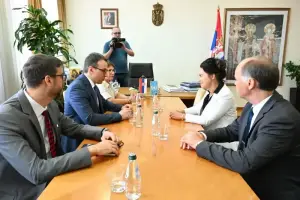
Priština continues with unilateral, illegal moves
-
 Belgrade/Zurich, 4 June 2026
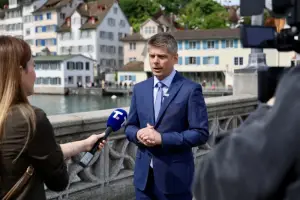
Exhibition in Zurich on position of Serbs in Kosovo and Metohija
-
 Belgrade/Brussels, 12 May 2026
Belgrade seeking concrete steps towards establishment of Community of Serb Municipalities
-
 Belgrade/Brussels, 11 May 2026
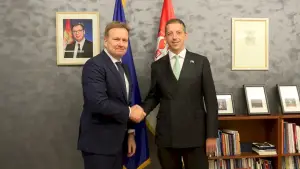
Belgrade-Priština dialogue not dialogue on mutual recognition
-
 Belgrade, 10 April 2026
Serbian health centres closed in villages of Suvo Grlo, Banje