
Q:
A:
Serbia interested in energy cooperation in region
Belgrade/Gorizia,
8 March 2010
Minister of Energy and Mining Petar Skundric said that Serbia is interested in the implementation of projects in infrastructure such as transport corridors 7 and 10 and multimodal corridor 11 in road infrastructure.
Skundric, who is attending a two-day international forum "Development Scenarios for the Adriatic–Balkan Region" in Gorizia, Italy, said that Serbia is interested in the main South Stream gas pipeline, underground gas storage, gas interconnection with the countries of the region, the pan-European pipeline projects in the field of power industry, as well as production, transportation and sales of electricity of greater significance for the Adriatic-Balkan region.
The Minister, who met today with Italian Foreign Minister Franco Frattini, said that the common interest of countries of the Adriatic–Balkan region is the strengthening of friendly relations and mutual cooperation, which can accelerate the realisation of the goals of national development strategies.
He stressed that Serbia is interested in speeding up cooperation with Italy and the autonomous region of Friuli–Venezia Giulia, as well as all of the countries in the Adriatic-Balkan region.
Skundric said that a special mark of the further development of friendly and strategic partner relations between Serbia and Italy was given during the joint governmental session in Rome on 13 November last year, in the presence of the presidents of Serbia and Italy.
He said that the model of cooperation between Serbia and the autonomous region of Friuli–Venezia Giulia can serve as an example for establishing intensive relations in the Adriatic-Balkan region.
The Minister stressed that Serbia is interested in regional connectivity in the energy sector, which includes the creation of a stable regulatory and market framework in Southeast Europe and the EU.
He stressed the importance of improving the security of energy supply in the region, improving the state of the environment, increasing energy efficiency, using renewable energy sources, developing competitive energy markets and taking advantage of large-scale economies.
The construction of gas supply infrastructure within the South Stream project, the linking with the gas supply systems of neighbouring countries for the diversification of supply routes and the construction of underground gas storage facilities in Banatski Dvor and Itebej are part of the government’s activities to meets its strategic goal of ensuring a stable and reliable gas supply, said Skundric.
This will also help meet EU integration requirements, said the Minister, stressing the importance of linking Serbia’s gas supply network with Croatia, Romania, Bulgaria, Republika Srpska, Bosnia-Herzegovina, Macedonia and Montenegro.
He also highlighted the importance of building the pan-European gas pipeline from Constanta in Romania, through Serbia, Croatia, Slovenia, to Trieste in Italy, where the pipeline would be connected with the TRANSALP gas pipeline for supplying Central Europe.
Serbia and Italy’s energy cooperation agreement is a first step towards the implementation of bilateral projects in the area of renewable energy sources, electricity production by utilising Serbia’s hydropower potential and the development of a supply network between the two countries, he said.
The Serbian government’s plans regarding infrastructure include the continuation of the construction of road and rail transport infrastructure throughout Serbia and the improvement of conditions for inland navigation, with a special focus on the Danube and Sava rivers, he said.
Serbia invested more than €200 million in the renovation of the Corridor 10 railway infrastructure over the last few years. It is estimated that a sum of €3.9 billion will be required for railway infrastructure projects during the coming years, said the Minister.
Nearly 1,000 kilometres of railway tracks need to be installed on main routes to complete the modernisation of the railway infrastructure in Serbia. For this purpose, Serbia needs the assistance and support of EU and other international financial institutions, said Skundric.
Speaking about developmental investment in intermodal transport, which would establish links with the Adriatic Sea and the Mediterranean, Skundric said Serbia is in the phase of promotion at various EU institutions for a new multimodal Corridor 11, he said.
That corridor would link pan-European corridors 10, 4 and 7, directly improving transport and commerce links between Italy, Montenegro, Serbia and Romania and indirectly with Russia, Ukraine, Croatia, Hungary and Bulgaria, Skundric concluded.
The Minister, who met today with Italian Foreign Minister Franco Frattini, said that the common interest of countries of the Adriatic–Balkan region is the strengthening of friendly relations and mutual cooperation, which can accelerate the realisation of the goals of national development strategies.
He stressed that Serbia is interested in speeding up cooperation with Italy and the autonomous region of Friuli–Venezia Giulia, as well as all of the countries in the Adriatic-Balkan region.
Skundric said that a special mark of the further development of friendly and strategic partner relations between Serbia and Italy was given during the joint governmental session in Rome on 13 November last year, in the presence of the presidents of Serbia and Italy.
He said that the model of cooperation between Serbia and the autonomous region of Friuli–Venezia Giulia can serve as an example for establishing intensive relations in the Adriatic-Balkan region.
The Minister stressed that Serbia is interested in regional connectivity in the energy sector, which includes the creation of a stable regulatory and market framework in Southeast Europe and the EU.
He stressed the importance of improving the security of energy supply in the region, improving the state of the environment, increasing energy efficiency, using renewable energy sources, developing competitive energy markets and taking advantage of large-scale economies.
The construction of gas supply infrastructure within the South Stream project, the linking with the gas supply systems of neighbouring countries for the diversification of supply routes and the construction of underground gas storage facilities in Banatski Dvor and Itebej are part of the government’s activities to meets its strategic goal of ensuring a stable and reliable gas supply, said Skundric.
This will also help meet EU integration requirements, said the Minister, stressing the importance of linking Serbia’s gas supply network with Croatia, Romania, Bulgaria, Republika Srpska, Bosnia-Herzegovina, Macedonia and Montenegro.
He also highlighted the importance of building the pan-European gas pipeline from Constanta in Romania, through Serbia, Croatia, Slovenia, to Trieste in Italy, where the pipeline would be connected with the TRANSALP gas pipeline for supplying Central Europe.
Serbia and Italy’s energy cooperation agreement is a first step towards the implementation of bilateral projects in the area of renewable energy sources, electricity production by utilising Serbia’s hydropower potential and the development of a supply network between the two countries, he said.
The Serbian government’s plans regarding infrastructure include the continuation of the construction of road and rail transport infrastructure throughout Serbia and the improvement of conditions for inland navigation, with a special focus on the Danube and Sava rivers, he said.
Serbia invested more than €200 million in the renovation of the Corridor 10 railway infrastructure over the last few years. It is estimated that a sum of €3.9 billion will be required for railway infrastructure projects during the coming years, said the Minister.
Nearly 1,000 kilometres of railway tracks need to be installed on main routes to complete the modernisation of the railway infrastructure in Serbia. For this purpose, Serbia needs the assistance and support of EU and other international financial institutions, said Skundric.
Speaking about developmental investment in intermodal transport, which would establish links with the Adriatic Sea and the Mediterranean, Skundric said Serbia is in the phase of promotion at various EU institutions for a new multimodal Corridor 11, he said.
That corridor would link pan-European corridors 10, 4 and 7, directly improving transport and commerce links between Italy, Montenegro, Serbia and Romania and indirectly with Russia, Ukraine, Croatia, Hungary and Bulgaria, Skundric concluded.
-
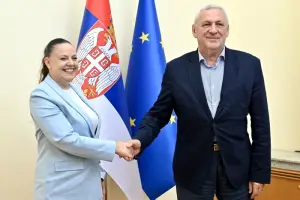 Belgrade, 5 June 2026
Cooperation with North Macedonia in field of innovation
-
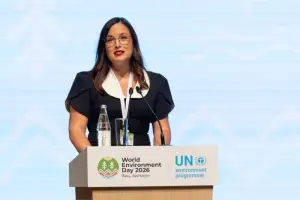 Belgrade/Baku, 5 June 2026
Serbia takes over hosting of World Environment Day 2027
-
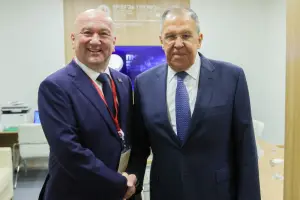 Belgrade/Saint Petersburg, 4 June 2026
Readiness to improve cooperation with Russia in areas of mutual interest
-
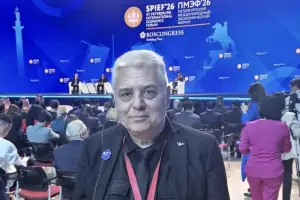 Belgrade/Saint Petersburg, 4 June 2026
Strengthening Serbia’s position in contemporary digital environment
-
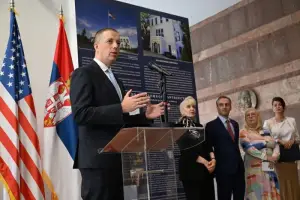 Belgrade, 4 June 2026
Serbia, US building partnership aimed at future, shared prosperity
-
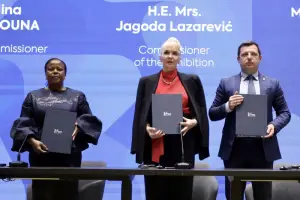 Belgrade, 3 June 2026
Contract on Gabon’s participation in Expo 2027 signed
-
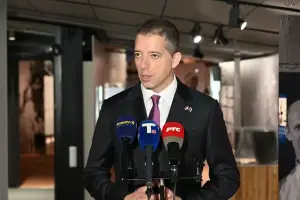 Belgrade/Helsinki, 3 June 2026
Serbia stands for peace, cooperation, respect for international law
-
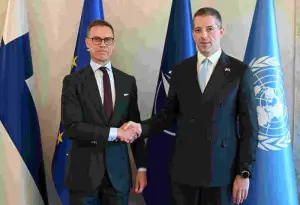 Belgrade/Helsinki, 2 June 2026
Great potential for strengthening economic ties with Finland
-
 Belgrade/Helsinki, 2 June 2026
Finland confirms strong support for Serbia’s European future
-
 Belgrade, 1 June 2026
Coordination of services to reduce risks from extreme weather events