Q:
A:
Dialogue most efficient way to reach sustainable solution for Kosovo-Metohija
Belgrade/New York,
22 January 2010
Serbian President Boris Tadic today voiced hope that 2010 could be the year in which a solution for Kosovo-Metohija, consistent with international law, could be found in a way that will facilitate the attainment of regional priorities, such as EU integration.
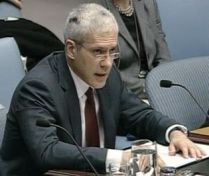
Boris Tadic
Author:
infobiro.tv
In his speech before the UN Security Council, Tadic reiterated that under no conditions will Serbia ever, implicitly or explicitly, recognise the unilaterally declared independence of Kosovo-Metohija, which has already divided the world and the Balkans.
The Serbian President thanked the UN members that have not recognised the province’s independence, recalling that this issue is now being debated at the International Court of Justice (ICJ) in The Hague.
He noted that Serbia believes that dialogue is the most efficient way to reach a lasting and sustainable solution for all sides, adding that it is evident that the self-proclaimed independence of Kosovo-Metohija was only another unsuccessful attempt to impose unilateral solutions.
This is why it is necessary to restrain all extremist forces in the Balkans that have been trying to impose their will by resorting to old methods, he said.
The unilaterally declared independence has not brought us any closer, but on the contrary, it has sent us further apart and that is why it is unsustainable, the Serbian President underlined, adding that we must find the courage to stir the moderate forces and rebuild the bridges, as well as overcome our differences and prejudices.
According to him, Serbia wishes to solve all current political misunderstandings through talks, which will be the logical outcome of the ICJ’s advisory opinion on the legality of Kosovo-Metohija’s unilaterally declared independence.
This will not be easy. The psychological barriers are high and trust must be regained, Tadic said stressing that Serbia is now a democratic and advanced society about to join the EU.
The President noted that until the ICJ states its opinion, the judges should not be exposed to any further pressure caused by new recognitions of the province’s independence.
The moment the ICJ states its opinion, we will have the opportunity to make some progress. We believe that dialogue is the most efficient way to reach a sustainable solution, a broadly acceptable and sustainable outcome that will not recklessly sacrifice mutual geostrategic priorities simply to meet someone’s unilateral demands, Tadic explained.
He stressed that in the meantime, the UN must remain an indispensable factor of peace and stability in the southern Serbian province, adding that the constructive approach, accepted in the UN and organisations in the province under UN supervision, has created the conditions for responsible participants in the processes in Kosovo-Metohija to act together and improve the lives of all inhabitants of the province.
Tadic said this has been achieved by leaving aside status issues and focusing on the ascending number of specific problems, stressing that Serbia endorses such an approach, and this has yielded concrete results, such as the signing of the Protocol on Cooperation between EULEX and the Serbian Ministry of the Interior.
He regretfully noted that issues related with the customs and judiciary in certain parts of the province have not yet been resolved, despite Belgrade’s good will.
He asked for the fulfilment of all obligations regarding Kosovo-Metohija which the Security Council took over and for the implementation of all documents in the field, from Resolution 1244 to the UN Secretary General’s six-item plan.
One of the issues regulated by these documents is that of UNMIK’s appearance at international forums, Tadic recalled noting that the only acceptable way for Serbia is that Pristina provisional authorities speak out at multilateral gatherings through UNMIK.
Kosovo-Metohija can and should participate in multilateral and regional forums, but only in the presence of UNMIK representatives, who are to speak first and be denoted with a tag reading UNMIK-Kosovo, Tadic said, noting that the refusal of Pristina Albanians to be represented at the international scene in such a way is an act of self-isolation.
He said Serbia believes that Kfor’s role in the preservation of security in Kosovo-Metohija must not be reduced, especially when it comes to the protection of Serbian monasteries and other religious facilities in the province.
We believe that the proposal to shift the task of securing some of these objects to local police forces will not help to improve the already fragile security situation. This is of great importance since monks at these monasteries are openly opposed to that, Tadic warned.
When it comes to the protection of Serbian cultural heritage in Kosovo-Metohija, he stressed that Serbia believes that remarkable progress has been made in this field thanks to UNMIK.
However, it is necessary to appoint a special EU envoy whose task would be to make the authorities in Pristina cooperate on issues of protection, preservation and restoration of Serbian sacred objects.
Tadic listed some disturbing information testifying to the reluctance of local authorities to solve the problems in this area, and invited the UN to address this issue seriously.
He stressed that the local elections in Kosovo-Metohija, organised by the administration in Pristina, were completely illegitimate, since they were not held in accordance with Resolution 1244, but on the basis of the Ahtisaari plan, which was not approved by the UN Security Council.
Under the given circumstances it was impossible for Serbia to support these elections, because it was clear there are no conditions for the vast majority of Kosovo Serbs to participate in them, explained the President.
He expressed regret that this fact was not addressed in the latest report by the UN Secretary General.
Tadic said that Serbia will continue supporting the process of functional decentralisation in the province, which will be acceptable to all parties concerned.
We must work together, through status-neutral organisations, such as the OSCE, in order to create a legitimate plan for decentralisation, said Tadic.
Tadic protested because of the obstructions to the visits of Serbian state officials to Kosovo-Metohija, and stressed that Belgrade authorities consistently adhere to agreed procedures.
The Serbian President presented the recent example of retention of Minister for Kosovo-Metohija Goran Bogdanovic near the village of Strpce, followed by his forceful deportation by the Kosovo police.
According to Tadic, in future political disagreements over the status must not result in such drastic denial of basic human rights.
He said that this climate of radical intolerance can only further decrease the already small number of returns of internally displaced persons.
He recalled that more than 200,000 Serbs, who were victims of ethnic cleansing, are still not allowed to return.
The Serbian President also pointed to the fragile security situation in northern Kosovo-Metohija.
He warned that plans to impose the so-called "final solution" to the north of Kosovo-Metohija, that would in fact help to forcibly implement the so-called Ahtisaari plan on the entire territory of the province, are simply devastating.
He concluded that only extremists support such intentions and expressed the hope that Kfor and EULEX will protect the Serbian population in northern Kosovo-Metohija from the aggressive ambitions behind the announced move of the administration in Pristina.
He also announced that Serbia will take part in the international efforts to assist Haiti in overcoming the consequences of the devastating earthquake that hit this Caribbean country.
Tadic added that Serbia would help in efforts to rebuild Haiti and promised financial support from the Serbian government.
The Serbian President thanked the UN members that have not recognised the province’s independence, recalling that this issue is now being debated at the International Court of Justice (ICJ) in The Hague.
He noted that Serbia believes that dialogue is the most efficient way to reach a lasting and sustainable solution for all sides, adding that it is evident that the self-proclaimed independence of Kosovo-Metohija was only another unsuccessful attempt to impose unilateral solutions.
This is why it is necessary to restrain all extremist forces in the Balkans that have been trying to impose their will by resorting to old methods, he said.
The unilaterally declared independence has not brought us any closer, but on the contrary, it has sent us further apart and that is why it is unsustainable, the Serbian President underlined, adding that we must find the courage to stir the moderate forces and rebuild the bridges, as well as overcome our differences and prejudices.
According to him, Serbia wishes to solve all current political misunderstandings through talks, which will be the logical outcome of the ICJ’s advisory opinion on the legality of Kosovo-Metohija’s unilaterally declared independence.
This will not be easy. The psychological barriers are high and trust must be regained, Tadic said stressing that Serbia is now a democratic and advanced society about to join the EU.
The President noted that until the ICJ states its opinion, the judges should not be exposed to any further pressure caused by new recognitions of the province’s independence.
The moment the ICJ states its opinion, we will have the opportunity to make some progress. We believe that dialogue is the most efficient way to reach a sustainable solution, a broadly acceptable and sustainable outcome that will not recklessly sacrifice mutual geostrategic priorities simply to meet someone’s unilateral demands, Tadic explained.
He stressed that in the meantime, the UN must remain an indispensable factor of peace and stability in the southern Serbian province, adding that the constructive approach, accepted in the UN and organisations in the province under UN supervision, has created the conditions for responsible participants in the processes in Kosovo-Metohija to act together and improve the lives of all inhabitants of the province.
Tadic said this has been achieved by leaving aside status issues and focusing on the ascending number of specific problems, stressing that Serbia endorses such an approach, and this has yielded concrete results, such as the signing of the Protocol on Cooperation between EULEX and the Serbian Ministry of the Interior.
He regretfully noted that issues related with the customs and judiciary in certain parts of the province have not yet been resolved, despite Belgrade’s good will.
He asked for the fulfilment of all obligations regarding Kosovo-Metohija which the Security Council took over and for the implementation of all documents in the field, from Resolution 1244 to the UN Secretary General’s six-item plan.
One of the issues regulated by these documents is that of UNMIK’s appearance at international forums, Tadic recalled noting that the only acceptable way for Serbia is that Pristina provisional authorities speak out at multilateral gatherings through UNMIK.
Kosovo-Metohija can and should participate in multilateral and regional forums, but only in the presence of UNMIK representatives, who are to speak first and be denoted with a tag reading UNMIK-Kosovo, Tadic said, noting that the refusal of Pristina Albanians to be represented at the international scene in such a way is an act of self-isolation.
He said Serbia believes that Kfor’s role in the preservation of security in Kosovo-Metohija must not be reduced, especially when it comes to the protection of Serbian monasteries and other religious facilities in the province.
We believe that the proposal to shift the task of securing some of these objects to local police forces will not help to improve the already fragile security situation. This is of great importance since monks at these monasteries are openly opposed to that, Tadic warned.
When it comes to the protection of Serbian cultural heritage in Kosovo-Metohija, he stressed that Serbia believes that remarkable progress has been made in this field thanks to UNMIK.
However, it is necessary to appoint a special EU envoy whose task would be to make the authorities in Pristina cooperate on issues of protection, preservation and restoration of Serbian sacred objects.
Tadic listed some disturbing information testifying to the reluctance of local authorities to solve the problems in this area, and invited the UN to address this issue seriously.
He stressed that the local elections in Kosovo-Metohija, organised by the administration in Pristina, were completely illegitimate, since they were not held in accordance with Resolution 1244, but on the basis of the Ahtisaari plan, which was not approved by the UN Security Council.
Under the given circumstances it was impossible for Serbia to support these elections, because it was clear there are no conditions for the vast majority of Kosovo Serbs to participate in them, explained the President.
He expressed regret that this fact was not addressed in the latest report by the UN Secretary General.
Tadic said that Serbia will continue supporting the process of functional decentralisation in the province, which will be acceptable to all parties concerned.
We must work together, through status-neutral organisations, such as the OSCE, in order to create a legitimate plan for decentralisation, said Tadic.
Tadic protested because of the obstructions to the visits of Serbian state officials to Kosovo-Metohija, and stressed that Belgrade authorities consistently adhere to agreed procedures.
The Serbian President presented the recent example of retention of Minister for Kosovo-Metohija Goran Bogdanovic near the village of Strpce, followed by his forceful deportation by the Kosovo police.
According to Tadic, in future political disagreements over the status must not result in such drastic denial of basic human rights.
He said that this climate of radical intolerance can only further decrease the already small number of returns of internally displaced persons.
He recalled that more than 200,000 Serbs, who were victims of ethnic cleansing, are still not allowed to return.
The Serbian President also pointed to the fragile security situation in northern Kosovo-Metohija.
He warned that plans to impose the so-called "final solution" to the north of Kosovo-Metohija, that would in fact help to forcibly implement the so-called Ahtisaari plan on the entire territory of the province, are simply devastating.
He concluded that only extremists support such intentions and expressed the hope that Kfor and EULEX will protect the Serbian population in northern Kosovo-Metohija from the aggressive ambitions behind the announced move of the administration in Pristina.
He also announced that Serbia will take part in the international efforts to assist Haiti in overcoming the consequences of the devastating earthquake that hit this Caribbean country.
Tadic added that Serbia would help in efforts to rebuild Haiti and promised financial support from the Serbian government.
-
 Belgrade, 28 August 2026
Church broken into, ransacked in Bušince village in Kosovska Kamenica
-
 Belgrade, 27 August 2026
Remembrance of suffering of Serb civilians in village of Klečka
-
 Belgrade, 30 July 2026
Continued illegal demolition of Serb-owned buildings near Lake Gazivode
-
 Belgrade, 29 July 2026
Works in Special Protective Zone of Visoki Dečani Monastery must be halted
-
 Belgrade, 23 July 2026
Priština continues with unilateral, illegal moves
-
 Belgrade/Zurich, 4 June 2026
Exhibition in Zurich on position of Serbs in Kosovo and Metohija
-
 Belgrade/Brussels, 12 May 2026
Belgrade seeking concrete steps towards establishment of Community of Serb Municipalities
-
 Belgrade/Brussels, 11 May 2026
Belgrade-Priština dialogue not dialogue on mutual recognition
-
 Belgrade, 10 April 2026
Serbian health centres closed in villages of Suvo Grlo, Banje