
Q:
A:
Kosovo-Metohija’s unilaterally declared independence jeopardises international order
Belgrade/The Hague,
1 December 2009
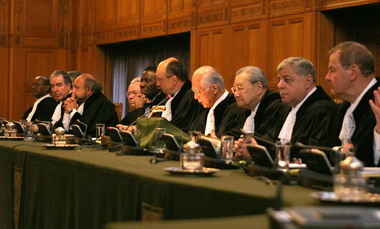
Head of the Serbian delegation and Serbian Ambassador to Paris Dusan T. Batakovic stressed today in his introductory speech at the International Court of Justice (ICJ) that the unilaterally declared independence of Kosovo-Metohija is in contravention of international law and the UN Security Council Resolution 1244.
Author:
Fonet
Batakovic emphasised that by unilaterally declaring their independence in February 2008, Pristina authorities jeopardised the international legal order based on the sovereignty and territorial integrity of states and the preservation of peace.
He warned that the illegal proclamation of independence is an attempt to abolish the international legal regime and administration in the province, introduced through UN Security Council Resolution 1244.
He said that the UN Security Council did not abolish Serbia’s sovereignty in the province, which it was not entitled to do, but through Resolution 1244 it stressed the necessity to preserve the sovereignty and territorial integrity in the province. The future status of Kosovo-Metohija, according to the resolution, was to be determined through talks and political solutions.
Therefore, Kosovo-Metohija’s unilateral declaration of independence is a “challenge” to the international legal order, which is why a number of states have refused to accept or recognise it.
Despite the blatant breach of its sovereignty and territorial integrity, Serbia decided to react in a peaceful and legal manner and is still ready to seek a compromise solution through talks with Kosovo Albanians, Batakovic noted, stressing that Serbia will persevere in the defence of its sovereignty and territorial integrity, but will also be flexible in its attempts to find a practical solution.
As an example of such a stance, Batakovic recalled that Belgrade endorsed the deployment of the EULEX mission, in line with Resolution 1244.
He reiterated that Serbia rejects the allegations that all possibilities for talks on the province’s status have been exhausted, noting that the negotiations that began in 2005 were doomed from the beginning because of the partial stance of international mediator Martti Ahtisaari and other negotiators, who advocated the province’s independence from the start.
The opportunity for finding a compromise by resuming talks must not be missed, and this is Serbia’s stance, he said.
Batakovic stressed that Serbia condemns all crimes committed in Kosovo-Metohija by persons claiming to act on behalf of Serbia and the Socialist Republic of Yugoslavia.
We believe that all perpetrators of crime must be brought to justice, Batakovic noted, adding that police officers and soldiers who committed crimes in the province have already been tried in Serbian courts.
He recalled that the Albanian paramilitary troops, the Kosovo Liberation Army (KLA), committed severe crimes against Serbs, the Roma and Albanians loyal to Serbia, as well as that after the retreat of the Serbian troops in the summer of 1999 a total of 60% of Serbs, 66% of Roma and 70% of Gorani fled the province.
Kosovo-Metohija is the cradle of the Serbian state and the essence of its identity, Batakovic stressed, adding that after the illegal declaration of independence, Serbs became a minority in their own country.
As part of the three-hour discussion, the judges have been addressed on behalf of Serbia by members of Serbia's legal team and international law experts Malcolm Shaw from the UK, Marcel Cohen from Switzerland, Andreas Zimmermann from Germany, and Sasa Obradovic and Vladimir Djeric from Serbia.
Obradovic, who is also deputy head of the delegation, stressed that Resolution 1244 excludes any resolution of the Kosovo status which is not accepted by both sides and approved by the Security Council.
He said that the interim authorities in Pristina did not have the authorisation to unilaterally proclaim the independence of Kosovo and that by doing so they unscrupulously breached both Resolution 1244 and international law.
According to him, Kosovo Albanians did not have the right to self-determination because they are not a constitutive people within Serbia, and Kosovo as a province did not meet the criteria for self-determination.
Obradovic urged the International Court of Justice to rule that the unilateral proclamation of Kosovo's independence in February last year was in breach of international law.
Zimmermann said that Resolution 1244 clearly prohibits a one-sided secession of Kosovo from Serbia and reiterated that with this document the UN Security Council firmly supported Serbia's territorial integrity and sovereignty.
He explained that this document prescribes that the future status of Kosovo will be established through agreement between Albanian leaders and the state of Serbia, with the approval of the Security Council.
International law does not envisage the possibility of one-sided secession and that is why the declaration of Kosovo's independence violates international law, Resolution 1244 and there is no institutional framework for its implementation, Zimmermann said.
He said that the US and other Western powers also advocated a solution based on agreement, but later they changed their position and supported the illegal declaration of Kosovo's independence after previously having carried out an illegal military intervention against the Socialist Republic of Yugoslavia and Serbia, which was not approved by the UN Security Council.
He underlined that lasting stability and peace in the region will be secured only by a solution based on agreement, as stipulated in Resolution 1244, and added that there is no reason why new negotiations should not start in line with the advisory opinion of the International Court of Justice.
Zimmermann recalled that during negotiations Serbia offered the widest terms of autonomy to Kosovo, but those negotiations failed due to the position of international mediator Martti Ahtisaari.
Malcolm Shaw said that illegal acts like the proclamation of independence of Kosovo cannot be made legal by political decisions.
He underlined that no country that is participating in the discussion before the International Court of Justice denies the crucial importance of the principle of territorial integrity and sovereignty of states to the international legal order of today.
The international community has so far been consistent in the application of that principle, not only to states, but to their entities as well, as in the case of Bosnia-Herzegovina, where it insisted on its territorial integrity, Shaw explained.
That is why two-thirds of the states in the world did not recognise Kosovo as an independent state, as well as the United Nations.
Djeric pointed to the importance of the advisory opinion of the International Court of Justice which, although it will not be binding, will influence the future position of the General Assembly and the UN Security Council towards the unilateral proclamation of Kosovo's independence and their policy towards it. He pointed to a series of legal omissions which, in addition to other things, refer to the legitimacy of the unilateral proclamation of independence and added that the people of Kosovo are not the ones who are behind them, but the representatives of interim institutions in the southern Serbian province.
Marcel Cohen explained that the right to self-determination is a legacy of colonial times and recalled that no self-proclaimed state since 1954 has been recognised by the world's largest organisation, the UN. He also pointed to the fact that no resolution by the Security Council presents the southern Serbian province as a state, and added that not even the authors of the declaration on independence are sure of the legitimacy of their act. Secession will not help Kosovo, but on the contrary, it will aggravate the problems in the region and cause a series of disagreements between those states that recognise it and those who do not, Cohen warned.
The Serbian delegation ended their presentation at 1 pm.
He warned that the illegal proclamation of independence is an attempt to abolish the international legal regime and administration in the province, introduced through UN Security Council Resolution 1244.
He said that the UN Security Council did not abolish Serbia’s sovereignty in the province, which it was not entitled to do, but through Resolution 1244 it stressed the necessity to preserve the sovereignty and territorial integrity in the province. The future status of Kosovo-Metohija, according to the resolution, was to be determined through talks and political solutions.
Therefore, Kosovo-Metohija’s unilateral declaration of independence is a “challenge” to the international legal order, which is why a number of states have refused to accept or recognise it.
Despite the blatant breach of its sovereignty and territorial integrity, Serbia decided to react in a peaceful and legal manner and is still ready to seek a compromise solution through talks with Kosovo Albanians, Batakovic noted, stressing that Serbia will persevere in the defence of its sovereignty and territorial integrity, but will also be flexible in its attempts to find a practical solution.
As an example of such a stance, Batakovic recalled that Belgrade endorsed the deployment of the EULEX mission, in line with Resolution 1244.
He reiterated that Serbia rejects the allegations that all possibilities for talks on the province’s status have been exhausted, noting that the negotiations that began in 2005 were doomed from the beginning because of the partial stance of international mediator Martti Ahtisaari and other negotiators, who advocated the province’s independence from the start.
The opportunity for finding a compromise by resuming talks must not be missed, and this is Serbia’s stance, he said.
Batakovic stressed that Serbia condemns all crimes committed in Kosovo-Metohija by persons claiming to act on behalf of Serbia and the Socialist Republic of Yugoslavia.
We believe that all perpetrators of crime must be brought to justice, Batakovic noted, adding that police officers and soldiers who committed crimes in the province have already been tried in Serbian courts.
He recalled that the Albanian paramilitary troops, the Kosovo Liberation Army (KLA), committed severe crimes against Serbs, the Roma and Albanians loyal to Serbia, as well as that after the retreat of the Serbian troops in the summer of 1999 a total of 60% of Serbs, 66% of Roma and 70% of Gorani fled the province.
Kosovo-Metohija is the cradle of the Serbian state and the essence of its identity, Batakovic stressed, adding that after the illegal declaration of independence, Serbs became a minority in their own country.
As part of the three-hour discussion, the judges have been addressed on behalf of Serbia by members of Serbia's legal team and international law experts Malcolm Shaw from the UK, Marcel Cohen from Switzerland, Andreas Zimmermann from Germany, and Sasa Obradovic and Vladimir Djeric from Serbia.
Obradovic, who is also deputy head of the delegation, stressed that Resolution 1244 excludes any resolution of the Kosovo status which is not accepted by both sides and approved by the Security Council.
He said that the interim authorities in Pristina did not have the authorisation to unilaterally proclaim the independence of Kosovo and that by doing so they unscrupulously breached both Resolution 1244 and international law.
According to him, Kosovo Albanians did not have the right to self-determination because they are not a constitutive people within Serbia, and Kosovo as a province did not meet the criteria for self-determination.
Obradovic urged the International Court of Justice to rule that the unilateral proclamation of Kosovo's independence in February last year was in breach of international law.
Zimmermann said that Resolution 1244 clearly prohibits a one-sided secession of Kosovo from Serbia and reiterated that with this document the UN Security Council firmly supported Serbia's territorial integrity and sovereignty.
He explained that this document prescribes that the future status of Kosovo will be established through agreement between Albanian leaders and the state of Serbia, with the approval of the Security Council.
International law does not envisage the possibility of one-sided secession and that is why the declaration of Kosovo's independence violates international law, Resolution 1244 and there is no institutional framework for its implementation, Zimmermann said.
He said that the US and other Western powers also advocated a solution based on agreement, but later they changed their position and supported the illegal declaration of Kosovo's independence after previously having carried out an illegal military intervention against the Socialist Republic of Yugoslavia and Serbia, which was not approved by the UN Security Council.
He underlined that lasting stability and peace in the region will be secured only by a solution based on agreement, as stipulated in Resolution 1244, and added that there is no reason why new negotiations should not start in line with the advisory opinion of the International Court of Justice.
Zimmermann recalled that during negotiations Serbia offered the widest terms of autonomy to Kosovo, but those negotiations failed due to the position of international mediator Martti Ahtisaari.
Malcolm Shaw said that illegal acts like the proclamation of independence of Kosovo cannot be made legal by political decisions.
He underlined that no country that is participating in the discussion before the International Court of Justice denies the crucial importance of the principle of territorial integrity and sovereignty of states to the international legal order of today.
The international community has so far been consistent in the application of that principle, not only to states, but to their entities as well, as in the case of Bosnia-Herzegovina, where it insisted on its territorial integrity, Shaw explained.
That is why two-thirds of the states in the world did not recognise Kosovo as an independent state, as well as the United Nations.
Djeric pointed to the importance of the advisory opinion of the International Court of Justice which, although it will not be binding, will influence the future position of the General Assembly and the UN Security Council towards the unilateral proclamation of Kosovo's independence and their policy towards it. He pointed to a series of legal omissions which, in addition to other things, refer to the legitimacy of the unilateral proclamation of independence and added that the people of Kosovo are not the ones who are behind them, but the representatives of interim institutions in the southern Serbian province.
Marcel Cohen explained that the right to self-determination is a legacy of colonial times and recalled that no self-proclaimed state since 1954 has been recognised by the world's largest organisation, the UN. He also pointed to the fact that no resolution by the Security Council presents the southern Serbian province as a state, and added that not even the authors of the declaration on independence are sure of the legitimacy of their act. Secession will not help Kosovo, but on the contrary, it will aggravate the problems in the region and cause a series of disagreements between those states that recognise it and those who do not, Cohen warned.
The Serbian delegation ended their presentation at 1 pm.
-
 Belgrade, 28 August 2026
Church broken into, ransacked in Bušince village in Kosovska Kamenica
-
 Belgrade, 27 August 2026
Remembrance of suffering of Serb civilians in village of Klečka
-
 Belgrade, 30 July 2026
Continued illegal demolition of Serb-owned buildings near Lake Gazivode
-
 Belgrade, 29 July 2026
Works in Special Protective Zone of Visoki Dečani Monastery must be halted
-
 Belgrade, 23 July 2026
Priština continues with unilateral, illegal moves
-
 Belgrade/Zurich, 4 June 2026
Exhibition in Zurich on position of Serbs in Kosovo and Metohija
-
 Belgrade/Brussels, 12 May 2026
Belgrade seeking concrete steps towards establishment of Community of Serb Municipalities
-
 Belgrade/Brussels, 11 May 2026
Belgrade-Priština dialogue not dialogue on mutual recognition
-
 Belgrade, 10 April 2026
Serbian health centres closed in villages of Suvo Grlo, Banje