
Q:
A:
Seizing part of its territory puts Serbia’s European future at stake
Belgrade,
29 March 2008
Serbian Minister of Foreign Affairs Vuk Jeremic stated today at the meeting of EU foreign ministers in Brdo kod Kranja that even though Serbian citizens won the battle for democracy in 2000, a portion of Serbia’s territory was taken away by force and thus its European future put at stake.
Jeremic stressed that had the debate on the violent alteration of Serbia’s borders taken place in June 1999, the outcome would probably have caused much less tumult in the world even though it would have meant a violation of international law.
That did not happen. In a time of dictatorship, Serbia remained whole, said Jeremic and added that at the time Serbia’s integrity was affirmed in the form of UN Security Council Resolution 1244.
However, even after Serbian citizens brought down that regime and several presidential, parliamentary, regional and local elections took place at which pro-democratic parties triumphed without exception, some say that a portion of our country does not belong to us, said Jeremic.
The Minister noted that some of those who state that Serbia no longer has the right to “the necessary element of its national identity” belong to the union which Serbia aspires to join and asked “how can something like that not set Serbia back.”
He said a democratic response must be found to these challenges, adding that this is the only way to reach a legitimate solution to the future status of the entire Serbia and the rest of the region.
Jeremic also rejected allegations that the Serbian government is not ready to sign the Stabilisation and Association Agreement with the EU and called on his European counterparts to enable this as soon as possible.
The Foreign Minister said that the upcoming parliamentary elections in Serbia, scheduled for May 11, are the most important elections since October 2000, adding that the outcome, whatever it may be, will have radical consequences for the future development of Serbia and the Western Balkans.
I believe that a crucial battle for the European soul of the Western Balkans is ahead of us. It will be led in polling stations throughout Serbia. No one can predict the outcome. Many factors will be involved, said Jeremic and stressed that the issue of Kosovo-Metohija will affect the citizens’ votes.
He also said that a large majority in Serbia are not ready to give up sovereignty over Kosovo.
This is also the stance stated in our constitution. It is not clear whether any other political platform could garner sufficient support from voters for a party to enter Serbian parliament, explained Jeremic.
He voiced concern that Serbia is now further away from the EU than it was before 2000 and that for the first time since the downfall of Slobodan Milosevic the European idea in Serbia is now on the defence.
This is primarily because some of you supported the independence of Kosovo. In the eyes of many Serbian citizens, Europe is now linked to that illegal act, which has caused great uncertainty, concluded Jeremic.
That did not happen. In a time of dictatorship, Serbia remained whole, said Jeremic and added that at the time Serbia’s integrity was affirmed in the form of UN Security Council Resolution 1244.
However, even after Serbian citizens brought down that regime and several presidential, parliamentary, regional and local elections took place at which pro-democratic parties triumphed without exception, some say that a portion of our country does not belong to us, said Jeremic.
The Minister noted that some of those who state that Serbia no longer has the right to “the necessary element of its national identity” belong to the union which Serbia aspires to join and asked “how can something like that not set Serbia back.”
He said a democratic response must be found to these challenges, adding that this is the only way to reach a legitimate solution to the future status of the entire Serbia and the rest of the region.
Jeremic also rejected allegations that the Serbian government is not ready to sign the Stabilisation and Association Agreement with the EU and called on his European counterparts to enable this as soon as possible.
The Foreign Minister said that the upcoming parliamentary elections in Serbia, scheduled for May 11, are the most important elections since October 2000, adding that the outcome, whatever it may be, will have radical consequences for the future development of Serbia and the Western Balkans.
I believe that a crucial battle for the European soul of the Western Balkans is ahead of us. It will be led in polling stations throughout Serbia. No one can predict the outcome. Many factors will be involved, said Jeremic and stressed that the issue of Kosovo-Metohija will affect the citizens’ votes.
He also said that a large majority in Serbia are not ready to give up sovereignty over Kosovo.
This is also the stance stated in our constitution. It is not clear whether any other political platform could garner sufficient support from voters for a party to enter Serbian parliament, explained Jeremic.
He voiced concern that Serbia is now further away from the EU than it was before 2000 and that for the first time since the downfall of Slobodan Milosevic the European idea in Serbia is now on the defence.
This is primarily because some of you supported the independence of Kosovo. In the eyes of many Serbian citizens, Europe is now linked to that illegal act, which has caused great uncertainty, concluded Jeremic.
-
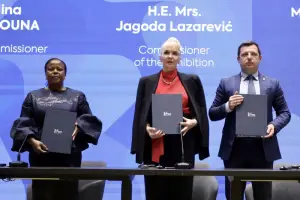 Belgrade, 3 June 2026
Contract on Gabon’s participation in Expo 2027 signed
-
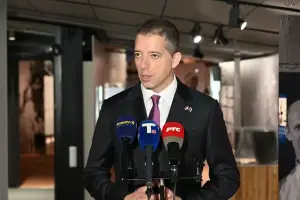 Belgrade/Helsinki, 3 June 2026
Serbia stands for peace, cooperation, respect for international law
-
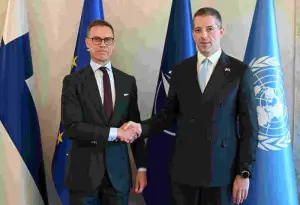 Belgrade/Helsinki, 2 June 2026
Great potential for strengthening economic ties with Finland
-
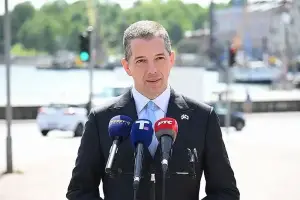 Belgrade/Helsinki, 2 June 2026
Finland confirms strong support for Serbia’s European future
-
 Belgrade, 1 June 2026
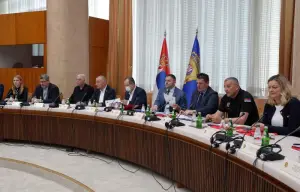
Coordination of services to reduce risks from extreme weather events
-
 Belgrade, 31 May 2026
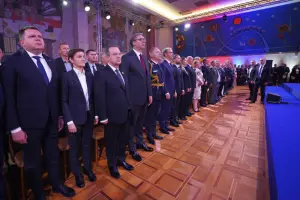
Ceremonial academy held to mark Ministry of the Interior Day, Police Day
-
 Belgrade/Bratislava, 30 May 2026
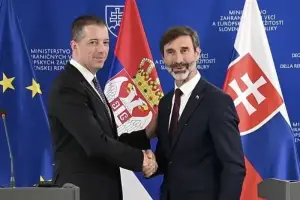
High level of partnership, trust between Serbia, Slovakia
-
 Belgrade, 30 May 2026
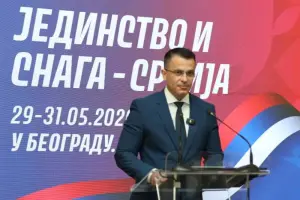
Vidovdan Assembly “Unity and Strength – Serbia” opens
-
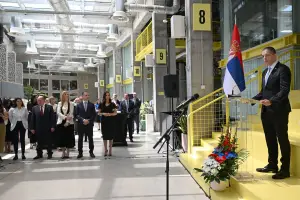 Belgrade, 29 May 2026
Serbia significantly strengthened its international position
-
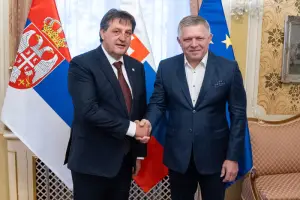 Belgrade/Bratislava, 29 May 2026
Serbia, Slovakia dedicated to strengthening cooperation in defence sector