Q:
A:
Respect of human rights in Kosovo very poor
Belgrade/Geneva,
3 March 2008
Serbian Minister of Foreign Affairs Vuk Jeremic invited today in Geneva countries that recognised the unilateral proclamation of independence by Kosovo-Metohija to re-examine that decision and also called on those that did not recognise the province’s independence not to do it.
At the 7th session of the UN Human Rights Council, Jeremic commended the UN for resisting the pressures of the loud minority of countries to cede the administration of the southern Serbian province to the EU’s illegitimate mission and expressed hope it will continue like that.
He repeated that Serbia will not accept attempts by Pristina’s authorities to unilaterally separate from Serbia and will use all diplomatic and political means at its disposal to hinder, prevent and finally annul the unilateral and illegal proclamation of independence by the southern province.
This is not a temporary policy nor is it posing, that is part of the national strategy to keep Serbia united and free, fully integrated in Europe and actively participating worldwide, the strategy that we will pursue as long as Serbia exists, with Kosovo remaining part of Serbia forever, Jeremic stressed.
The Minister pointed out that the unilateral, illegal and illegitimate proclamation of independence by Kosovo-Metohija has dealt a harsh blow to Serbia as Kosovo is the essential connection between Serbia’s national past and its European future.
According to Jeremic, recognition of Kosovo’s secession directly jeopardises the logics and functioning of the international system as the UN Charter and UN Security Council Resolution 1244 oblige all member countries to respect the sovereignty and territorial integrity of internationally recognised states, including Serbia.
He warned that by supporting the secessionism of Kosovo Albanians, the international system has become less stable, less secure and less predictable and that a terrible precedent has been established.
Jeremic pointed out that the doctrine of imposing solutions on ethnic conflicts and the act of unilateral secession of a province or other non-state is being legitimised by the case of Kosovo.
The Minister specified that in this way the right to self determination changes into a guaranteed right to independence and gives legitimacy to the violent partition of internationally recognised sovereign states.
Speaking about respecting human rights, Jeremic said that since October 2000 Serbia has made huge progress regarding this question, and the human rights situation in Kosovo is very bad in areas which are not under the direct jurisdiction of Serbian government institutions.
Jeremic said that prior to the arrival of the UN and NATO forces in the southern Serbian province in June 1999, Kosovo was ethnically cleansed of several hundred thousand Kosovo Serbs, Roma, Bosniaks and other non-Albanians, hundreds were killed and thousands went missing.
Thousands of houses were destroyed, and a similar number of houses were illegally seized by Kosovo Albanians, said the Minister and recalled that from June 1990 more than 150 Serbian Orthodox churches and monasteries were destroyed, while many places of religious importance to the Serbs are under the protection of NATO even today and monks live surrounded by tanks and barbed wire.
According to Jeremic, attention was drawn to the violation of human rights in Kosovo-Metohija in reports by the UN Commission on Human Rights, Amnesty International and Human Rights Watch.
He added that less than 8% of the nearly 250,000 internally displaced persons from Kosovo returned to their homes, above all due to concerns for safety and the impossibility of free movement, but also because of access to the judiciary, health services, education and employment.
Jeremic stressed that respecting human rights is of key importance in the progress and peaceful development of mankind and said that Serbia is willing, in keeping with its financial capacity, to contribute to the budget of the Office of the High Commissioner for Human Rights.
Jeremic said that Serbia has also announced in a desire to contribute to improving the global human rights situation a decision has been made by Serbia to canvas for membership of the Human Rights Council for the period from 2008 to 2011, which will be decided by the General Assembly in May.
He repeated that Serbia will not accept attempts by Pristina’s authorities to unilaterally separate from Serbia and will use all diplomatic and political means at its disposal to hinder, prevent and finally annul the unilateral and illegal proclamation of independence by the southern province.
This is not a temporary policy nor is it posing, that is part of the national strategy to keep Serbia united and free, fully integrated in Europe and actively participating worldwide, the strategy that we will pursue as long as Serbia exists, with Kosovo remaining part of Serbia forever, Jeremic stressed.
The Minister pointed out that the unilateral, illegal and illegitimate proclamation of independence by Kosovo-Metohija has dealt a harsh blow to Serbia as Kosovo is the essential connection between Serbia’s national past and its European future.
According to Jeremic, recognition of Kosovo’s secession directly jeopardises the logics and functioning of the international system as the UN Charter and UN Security Council Resolution 1244 oblige all member countries to respect the sovereignty and territorial integrity of internationally recognised states, including Serbia.
He warned that by supporting the secessionism of Kosovo Albanians, the international system has become less stable, less secure and less predictable and that a terrible precedent has been established.
Jeremic pointed out that the doctrine of imposing solutions on ethnic conflicts and the act of unilateral secession of a province or other non-state is being legitimised by the case of Kosovo.
The Minister specified that in this way the right to self determination changes into a guaranteed right to independence and gives legitimacy to the violent partition of internationally recognised sovereign states.
Speaking about respecting human rights, Jeremic said that since October 2000 Serbia has made huge progress regarding this question, and the human rights situation in Kosovo is very bad in areas which are not under the direct jurisdiction of Serbian government institutions.
Jeremic said that prior to the arrival of the UN and NATO forces in the southern Serbian province in June 1999, Kosovo was ethnically cleansed of several hundred thousand Kosovo Serbs, Roma, Bosniaks and other non-Albanians, hundreds were killed and thousands went missing.
Thousands of houses were destroyed, and a similar number of houses were illegally seized by Kosovo Albanians, said the Minister and recalled that from June 1990 more than 150 Serbian Orthodox churches and monasteries were destroyed, while many places of religious importance to the Serbs are under the protection of NATO even today and monks live surrounded by tanks and barbed wire.
According to Jeremic, attention was drawn to the violation of human rights in Kosovo-Metohija in reports by the UN Commission on Human Rights, Amnesty International and Human Rights Watch.
He added that less than 8% of the nearly 250,000 internally displaced persons from Kosovo returned to their homes, above all due to concerns for safety and the impossibility of free movement, but also because of access to the judiciary, health services, education and employment.
Jeremic stressed that respecting human rights is of key importance in the progress and peaceful development of mankind and said that Serbia is willing, in keeping with its financial capacity, to contribute to the budget of the Office of the High Commissioner for Human Rights.
Jeremic said that Serbia has also announced in a desire to contribute to improving the global human rights situation a decision has been made by Serbia to canvas for membership of the Human Rights Council for the period from 2008 to 2011, which will be decided by the General Assembly in May.
-
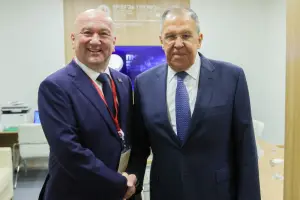 Belgrade/Saint Petersburg, 4 June 2026
Readiness to improve cooperation with Russia in areas of mutual interest
-
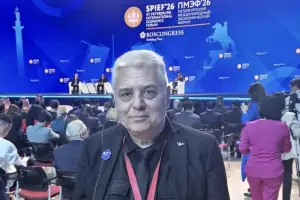 Belgrade/Saint Petersburg, 4 June 2026
Strengthening Serbia’s position in contemporary digital environment
-
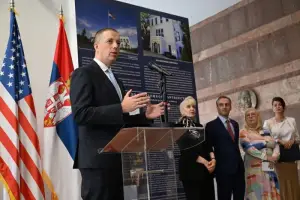 Belgrade, 4 June 2026
Serbia, US building partnership aimed at future, shared prosperity
-
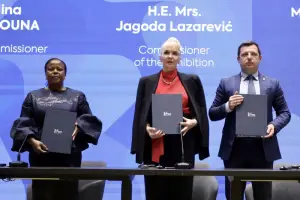 Belgrade, 3 June 2026
Contract on Gabon’s participation in Expo 2027 signed
-
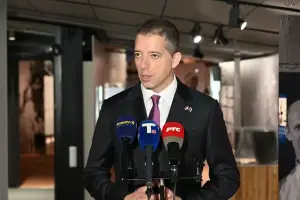 Belgrade/Helsinki, 3 June 2026
Serbia stands for peace, cooperation, respect for international law
-
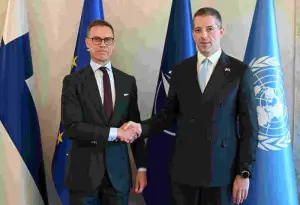 Belgrade/Helsinki, 2 June 2026
Great potential for strengthening economic ties with Finland
-
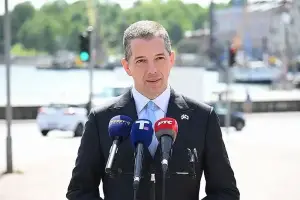 Belgrade/Helsinki, 2 June 2026
Finland confirms strong support for Serbia’s European future
-
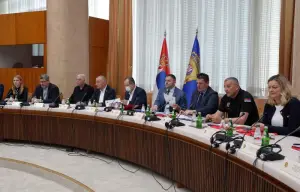 Belgrade, 1 June 2026
Coordination of services to reduce risks from extreme weather events
-
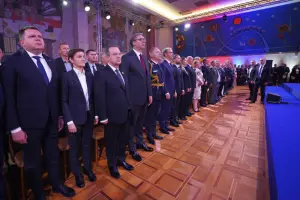 Belgrade, 31 May 2026
Ceremonial academy held to mark Ministry of the Interior Day, Police Day
-
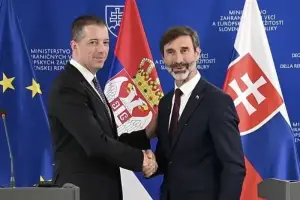 Belgrade/Bratislava, 30 May 2026
High level of partnership, trust between Serbia, Slovakia