
Q:
A:
Sustainable growth, a responsibility as well as an economic opportunity
Belgrade,
28 February 2008
Serbian Deputy Prime Minister Bozidar Djelic said today that sustainable growth is a responsibility for all citizens since we should strive to make the planet a better place than it is now.
Giving a lecture on sustainable growth at the Faculty of Forestry in Belgrade, Djelic stressed that sustainable growth is a responsibility as well as an economic opportunity, since from recycling alone Serbia can earn €100,000 annually.
The Deputy Prime Minister said that Serbia recycles only 12% of its waste, whereas in the EU this figure is around 60%.
Djelic said that the timber industry is one of the most important sectors in Serbia, and recalled that last year exports in this sector grew by 30%.
According to many experts exports could be even doubled or tripled, since the potential of the Serbian timber industry is huge, said Djelic and added that some 70% of wooded land in Serbia is not utilised in a professional manner.
We must work for long term results, forestry is not an overnight business, and we have to pay attention to the quantity and quality of timber, said Djelic.
He said that in May he will co-preside over the annual UN conference on sustainable growth.
This is the recognition being given to us by the UN since they have noticed that during the past few months this subject has been given the right kind of attention in Serbia, said the Deputy Prime Minister.
Serbian citizens have been informed of the draft national strategy on sustainable development through a campaign as well as through the campaign’s website.
The project has been implemented since 2005 in cooperation with the Deputy Prime Minister’s Office, the UNDP and the Swedish International Development Agency (SIDA). The strategy’s aim is to create a framework for Serbia's development to 2017.
The strategy is expected to be adopted in March, after which it will be sent to parliament for discussion.
The Deputy Prime Minister’s cabinet continues to present the concept of sustainable growth by organising lectures and panel discussions in universities throughout Serbia. The aim of the second phase of the campaign is to inform students and professors about on going activities and plans for the upcoming period in the area of sustainable growth.
The Deputy Prime Minister said that Serbia recycles only 12% of its waste, whereas in the EU this figure is around 60%.
Djelic said that the timber industry is one of the most important sectors in Serbia, and recalled that last year exports in this sector grew by 30%.
According to many experts exports could be even doubled or tripled, since the potential of the Serbian timber industry is huge, said Djelic and added that some 70% of wooded land in Serbia is not utilised in a professional manner.
We must work for long term results, forestry is not an overnight business, and we have to pay attention to the quantity and quality of timber, said Djelic.
He said that in May he will co-preside over the annual UN conference on sustainable growth.
This is the recognition being given to us by the UN since they have noticed that during the past few months this subject has been given the right kind of attention in Serbia, said the Deputy Prime Minister.
Serbian citizens have been informed of the draft national strategy on sustainable development through a campaign as well as through the campaign’s website.
The project has been implemented since 2005 in cooperation with the Deputy Prime Minister’s Office, the UNDP and the Swedish International Development Agency (SIDA). The strategy’s aim is to create a framework for Serbia's development to 2017.
The strategy is expected to be adopted in March, after which it will be sent to parliament for discussion.
The Deputy Prime Minister’s cabinet continues to present the concept of sustainable growth by organising lectures and panel discussions in universities throughout Serbia. The aim of the second phase of the campaign is to inform students and professors about on going activities and plans for the upcoming period in the area of sustainable growth.
-
 Belgrade, 22 July 2026
New opportunities for expanding economic cooperation between Serbia, China
-
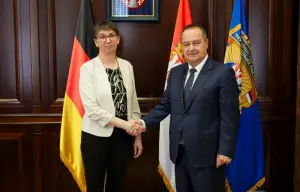 Belgrade, 20 July 2026
Cooperation in field of interior affairs important segment of relations with Germany
-
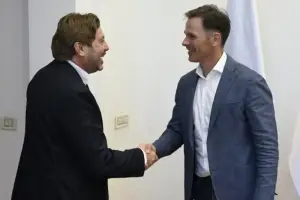 Belgrade, 16 July 2026
Expo 2027 opportunity to further strengthen international partnerships
-
 Belgrade/Bratislava, 16 July 2026
Serbia, Slovakia continue to strengthen political, economic cooperation
-
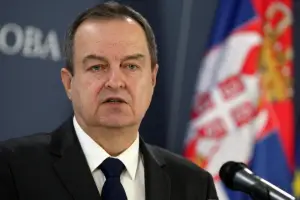 Belgrade, 14 July 2026
Serbia bilaterally resolves problems arising from EES implementation
-
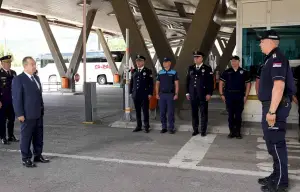 Gradina/Kalotina, 9 July 2026
Improving border cooperation between Serbia, Bulgaria
-
 Belgrade, 7 July 2026
Further strengthening economic cooperation between Serbia, Italy
-
 Belgrade, 6 July 2026
Serbia serious, responsible partner in fight against crime
-
 Kać, 3 July 2026
Additional foreign investment confirms confidence in Serbia
-
 Belgrade, 3 July 2026
Serbia, Hungary reliable partners in maintaining security