Q:
A:
Jeremic calls on OSCE to condemn unilateral and illegal declaration by Pristina authorities
Belgrade/Vienna,
19 February 2008
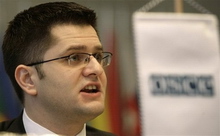
Serbian Minister of Foreign Affairs Vuk Jeremic today called on the Permanent Council of the Organisation for Security and Cooperation in Europe (OSCE) to condemn the unilateral and illegal declaration of independence by the authorities in Pristina and to ensure that Kosovo will not be given a seat in this organisation.
Author:
AP
Membership of the UN and the OSCE are two tests of respect for sovereignty, and membership of these organisations, both pillars of the international system, is a sign of belonging to the community of sovereign nations. Serbia is such a nation, while Kosovo will never be, Jeremic underlined in his address to the OSCE Permanent Council at its urgent session.
The Minister stressed that Kosovo will never acquire this status of legitimacy because there will never be a consensus for something like that and reiterated that Kosovo will always be part of Serbia.
He said that this organisation's reaction to the flagrant violation of provisions of international law will largely determine its future course, and reminded those present that Resolution 1244 and the Serbian Constitution unambiguously confirm Serbia's territorial integrity and sovereignty, including the province of Kosovo.
Jeremic said that Serbia called on the UN Secretary-General to instruct his Special Representative to our southern province to make swift and full use of his powers and proclaim the declaration of independence null and void, and to dissolve the Kosovo Assembly on the grounds that declaring independence is not in conformity with Resolution 1244.
Serbia has called on KFOR to remain status-neutral. Only by continuing to abide by the legal framework of its operation can KFOR retain its capacity to prevent a repeat of the ethnic cleansing against the Serbian population and the cultural cleansing against its holy sites, Jeremic stressed.
He welcomed the EU's desire to increase its presence in our southern, abut he added that it is Serbia's position that the EU mission must seek a mandate from the UN Security Council.
Today, Kosovo is the most dysfunctional part of an OSCE member country. Little visible progress has been achieved despite the billions of euros that were invested in its development, said Jeremic.
According to Jeremic, the declaration of independence by Kosovo sets a precedent for several reasons.
Firstly, it makes legitimate the doctrine of imposing solutions in cases of ethnic conflicts.
Secondly, it also gives legitimacy to the unilateral secession of a province or entity. The right to self-determination transforms into the right to independence, and then legitimacy is given to the partitioning of an internationally recognised sovereign country. Finally, the commitment to the peaceful resolution of conflicts in Europe is undermined, said the Foreign Minister.
He stressed that Serbia believes in the principles of the OSCE, which are stated in the Helsinki Final Act, the Charter of Paris and the Charter for European Security, and Kosovo has declared independence unilaterally, which is contrary not just to these documents but also the UN Charter and Security Council Resolution 1244.
Jeremic said that Serbia is prepared to continue negotiations with the Kosovo Albanians, at any time and any place, in order to reach a mutually acceptable solution on the future status of the province.
We can offer comprehensive autonomy, the widest possible. Their tax, judicial and education systems do not have to be integrated into the Serbian system, our army does not have to be theirs, we will not interfere in the relations between Kosovo and the World Bank, but we cannot give up our right to sovereignty, stressed the Minister.
He said that Serbia does not agree with the decision made by Pristina, and will never do so.
Kosovo-Metohija will always be an integral part of Serbia, said Jeremic and added that Serbia will never abandon the fight to protect its interests, to be whole and free, integrated into Europe and an active participant in international cooperation.
The Minister stressed that Kosovo will never acquire this status of legitimacy because there will never be a consensus for something like that and reiterated that Kosovo will always be part of Serbia.
He said that this organisation's reaction to the flagrant violation of provisions of international law will largely determine its future course, and reminded those present that Resolution 1244 and the Serbian Constitution unambiguously confirm Serbia's territorial integrity and sovereignty, including the province of Kosovo.
Jeremic said that Serbia called on the UN Secretary-General to instruct his Special Representative to our southern province to make swift and full use of his powers and proclaim the declaration of independence null and void, and to dissolve the Kosovo Assembly on the grounds that declaring independence is not in conformity with Resolution 1244.
Serbia has called on KFOR to remain status-neutral. Only by continuing to abide by the legal framework of its operation can KFOR retain its capacity to prevent a repeat of the ethnic cleansing against the Serbian population and the cultural cleansing against its holy sites, Jeremic stressed.
He welcomed the EU's desire to increase its presence in our southern, abut he added that it is Serbia's position that the EU mission must seek a mandate from the UN Security Council.
Today, Kosovo is the most dysfunctional part of an OSCE member country. Little visible progress has been achieved despite the billions of euros that were invested in its development, said Jeremic.
According to Jeremic, the declaration of independence by Kosovo sets a precedent for several reasons.
Firstly, it makes legitimate the doctrine of imposing solutions in cases of ethnic conflicts.
Secondly, it also gives legitimacy to the unilateral secession of a province or entity. The right to self-determination transforms into the right to independence, and then legitimacy is given to the partitioning of an internationally recognised sovereign country. Finally, the commitment to the peaceful resolution of conflicts in Europe is undermined, said the Foreign Minister.
He stressed that Serbia believes in the principles of the OSCE, which are stated in the Helsinki Final Act, the Charter of Paris and the Charter for European Security, and Kosovo has declared independence unilaterally, which is contrary not just to these documents but also the UN Charter and Security Council Resolution 1244.
Jeremic said that Serbia is prepared to continue negotiations with the Kosovo Albanians, at any time and any place, in order to reach a mutually acceptable solution on the future status of the province.
We can offer comprehensive autonomy, the widest possible. Their tax, judicial and education systems do not have to be integrated into the Serbian system, our army does not have to be theirs, we will not interfere in the relations between Kosovo and the World Bank, but we cannot give up our right to sovereignty, stressed the Minister.
He said that Serbia does not agree with the decision made by Pristina, and will never do so.
Kosovo-Metohija will always be an integral part of Serbia, said Jeremic and added that Serbia will never abandon the fight to protect its interests, to be whole and free, integrated into Europe and an active participant in international cooperation.
-
 Belgrade/Saint Petersburg, 4 June 2026
Readiness to improve cooperation with Russia in areas of mutual interest
-
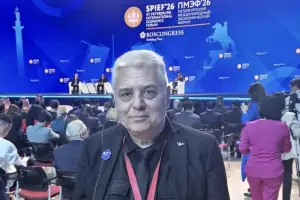 Belgrade/Saint Petersburg, 4 June 2026
Strengthening Serbia’s position in contemporary digital environment
-
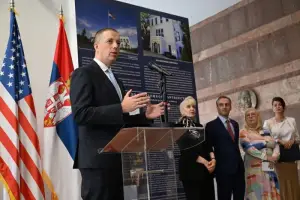 Belgrade, 4 June 2026
Serbia, US building partnership aimed at future, shared prosperity
-
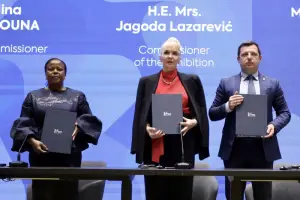 Belgrade, 3 June 2026
Contract on Gabon’s participation in Expo 2027 signed
-
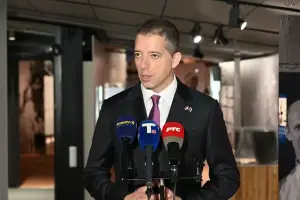 Belgrade/Helsinki, 3 June 2026
Serbia stands for peace, cooperation, respect for international law
-
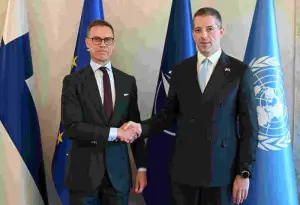 Belgrade/Helsinki, 2 June 2026
Great potential for strengthening economic ties with Finland
-
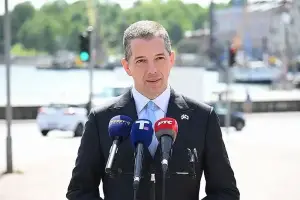 Belgrade/Helsinki, 2 June 2026
Finland confirms strong support for Serbia’s European future
-
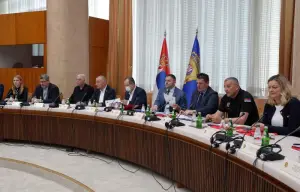 Belgrade, 1 June 2026
Coordination of services to reduce risks from extreme weather events
-
 Belgrade, 31 May 2026
Ceremonial academy held to mark Ministry of the Interior Day, Police Day
-
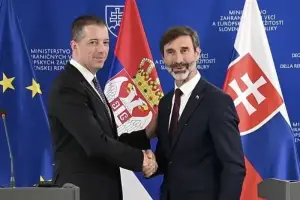 Belgrade/Bratislava, 30 May 2026
High level of partnership, trust between Serbia, Slovakia