
Q:
A:
Serbia ready for dialogue on Kosovo-Metohija
Bratislava,
1 February 2008
Serbian Minister of Foreign Affairs Vuk Jeremic stated today that Serbia is still ready for dialogue on Kosovo-Metohija, but that it will resort to all available peaceful means to preserve its sovereignty and territorial integrity if the province declares independence.
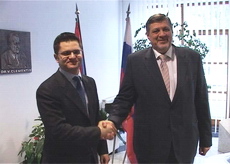
Vuk Jeremic, left, and Jan Kubis
Author:
Fonet
In a statement to the press in Bratislava, Jeremic reiterated that Belgrade advocates a compromise solution and added that he also agreed on this with Slovak Minister of Foreign Affairs Jan Kubis.
Following a meeting with Kubis, Jeremic said that if Kosovo-Metohija declares independence after the presidential election, Serbia will act in accordance with international law and use all available diplomatic, economic and peaceful means.
He voiced hope that the southern Serbian province will not proclaim independence and reiterated Belgrade’s stance that only a compromise solution will ensure the preservation of stability in the Western Balkans.
Kubis stated that the EU and the UN play a crucial role in the search for a solution to the future status of Kosovo-Metohija, adding that Slovakia is not in favour of unilateral solutions.
According to him, Slovakia does not welcome unilateral acts because they have huge potential to destabilise the region.
Jeremic also spoke today before the Slovakian Foreign Policy Association and welcomed the EU's invitation to Serbia to sign the political agreement with it on February 7, but he also warned the international community of the consequences of a unilateral proclamation of Kosovo's independence.
The EU is bringing us closer, expands our markets, points to a more prosperous future, makes our achievements more steadfast and teaches us how to settle disputes in line with enligtened aspirations of humankind, Jeremic said. He said that the political agreement on cooperation with the EU is historical and that it will give Serbia a clear framework for a relationship with the Union in order to speed up its journey to full membership, and added that this agreement strengthens the vision of a European Serbia. The Minister underlined that Serbia's sense of belonging to Europe is jeopardised by the fact that one part of the international community encourages Albanians in Kosovo-Metohija to declare independence from Serbia. Such flagrant violation of international law could have serious, even disastrous effects on the major democratic progress made in Serbia and the entire West Balkans during the past few years, said Jeremic.
He said that such a shortsighted approach could cut Serbia off from modern European developments, and the partition of Serbia would not result in a so called Balkans version of the Velvet Revolution.
This precedent would encourage separatists throughout the world, from the Basque region in Spain to Taiwan in China, not to mention the enormous pressure produced by altering borders in the West Balkans once again, said the Minister.
He said that the option of negotiations has not been exhausted yet and expressed his conviction that a solution based on compromise should be reached.
Following a meeting with Kubis, Jeremic said that if Kosovo-Metohija declares independence after the presidential election, Serbia will act in accordance with international law and use all available diplomatic, economic and peaceful means.
He voiced hope that the southern Serbian province will not proclaim independence and reiterated Belgrade’s stance that only a compromise solution will ensure the preservation of stability in the Western Balkans.
Kubis stated that the EU and the UN play a crucial role in the search for a solution to the future status of Kosovo-Metohija, adding that Slovakia is not in favour of unilateral solutions.
According to him, Slovakia does not welcome unilateral acts because they have huge potential to destabilise the region.
Jeremic also spoke today before the Slovakian Foreign Policy Association and welcomed the EU's invitation to Serbia to sign the political agreement with it on February 7, but he also warned the international community of the consequences of a unilateral proclamation of Kosovo's independence.
The EU is bringing us closer, expands our markets, points to a more prosperous future, makes our achievements more steadfast and teaches us how to settle disputes in line with enligtened aspirations of humankind, Jeremic said. He said that the political agreement on cooperation with the EU is historical and that it will give Serbia a clear framework for a relationship with the Union in order to speed up its journey to full membership, and added that this agreement strengthens the vision of a European Serbia. The Minister underlined that Serbia's sense of belonging to Europe is jeopardised by the fact that one part of the international community encourages Albanians in Kosovo-Metohija to declare independence from Serbia. Such flagrant violation of international law could have serious, even disastrous effects on the major democratic progress made in Serbia and the entire West Balkans during the past few years, said Jeremic.
He said that such a shortsighted approach could cut Serbia off from modern European developments, and the partition of Serbia would not result in a so called Balkans version of the Velvet Revolution.
This precedent would encourage separatists throughout the world, from the Basque region in Spain to Taiwan in China, not to mention the enormous pressure produced by altering borders in the West Balkans once again, said the Minister.
He said that the option of negotiations has not been exhausted yet and expressed his conviction that a solution based on compromise should be reached.
-
 Belgrade, 5 June 2026
Cooperation with North Macedonia in field of innovation
-
 Belgrade/Baku, 5 June 2026
Serbia takes over hosting of World Environment Day 2027
-
 Belgrade/Saint Petersburg, 4 June 2026
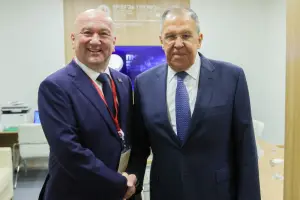
Readiness to improve cooperation with Russia in areas of mutual interest
-
 Belgrade/Saint Petersburg, 4 June 2026
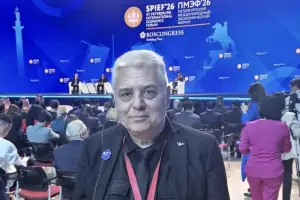
Strengthening Serbia’s position in contemporary digital environment
-
 Belgrade, 4 June 2026
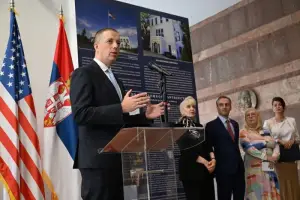
Serbia, US building partnership aimed at future, shared prosperity
-
 Belgrade, 3 June 2026
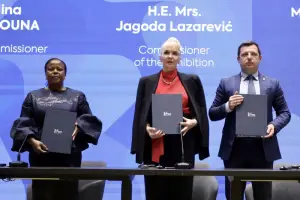
Contract on Gabon’s participation in Expo 2027 signed
-
 Belgrade/Helsinki, 3 June 2026
Serbia stands for peace, cooperation, respect for international law
-
 Belgrade/Helsinki, 2 June 2026
Great potential for strengthening economic ties with Finland
-
 Belgrade/Helsinki, 2 June 2026
Finland confirms strong support for Serbia’s European future
-
 Belgrade, 1 June 2026
Coordination of services to reduce risks from extreme weather events