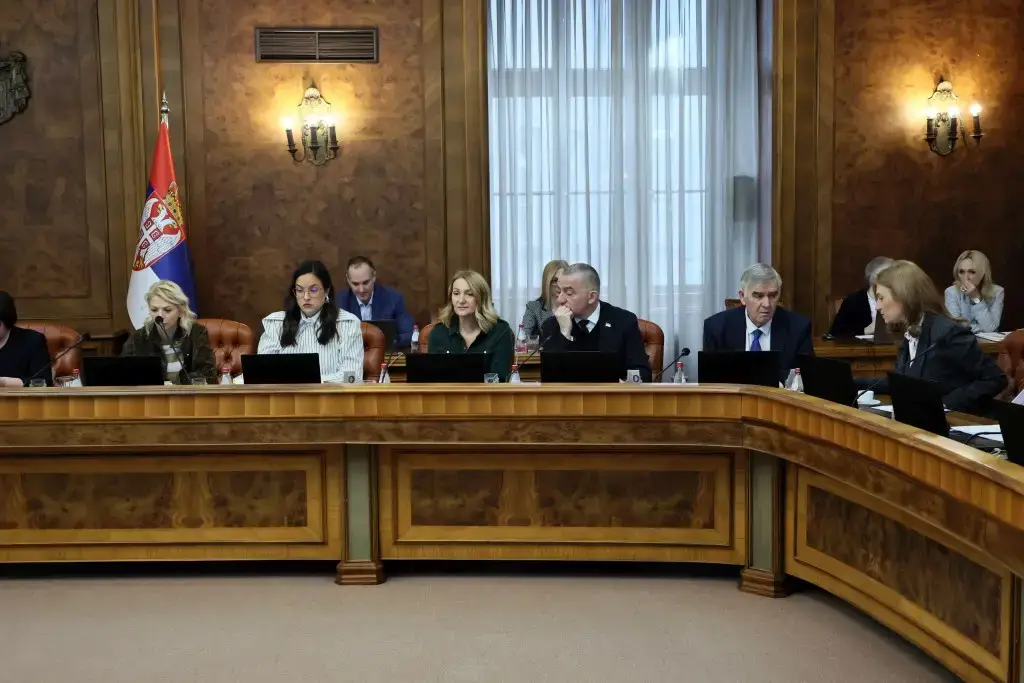
The Government of the Republic of Serbia adopted at today’s session the Decree on Establishing the Air Quality Monitoring Programme within the State Network, increasing the number of monitoring stations and the number of pollutants tracked in the national monitoring network.

Q:
A:
Decree adopted establishing air quality monitoring programme within state network
Belgrade,
12 February 2026
The increase in the number of monitoring stations will secure more comprehensive data, providing a foundation for the adoption of concrete measures for cleaner air that deliver results.
The decree stipulates that monitoring will now be carried out by the Environmental Protection Agency, 17 public health offices and institutes across Serbia, and the Bor Institute for Mining and Metallurgy, representing a strong basis for the creation of effective measures to improve air quality.
At the session, the government also adopted the Action Plan for 2026 and 2027 for the implementation of the Strategy for the Prevention of and Protection against Discrimination for the period 2022-2030, as well as the Decision amending the Strategy, revising the indicators for monitoring its results.
The adoption of these documents contributes to improving the position of groups at risk of discrimination and demonstrates the state’s commitment to protecting the rights of all citizens.
A new Decree amending the Decree on Earmarked Transfers in Social Protection introduces improved and more transparent provisions relating to earmarked transfers and amends certain existing provisions.
An obligation is introduced for local self-government units to submit proof of meeting the conditions for receiving earmarked transfers, as well as proof that the selected service provider holds a valid licence and other required documentation.
The government also adopted a Decision on the Establishment of the Committee for the Cultivation of the Traditions of Serbia’s Liberation Wars, with the composition of the Committee amended in relation to the initial decision adopted in 1997.
The task of this body includes, among other matters, adopting programmes for marking significant historical events and events related to prominent figures from Serbia’s liberation wars and the state history of Serbia.
-
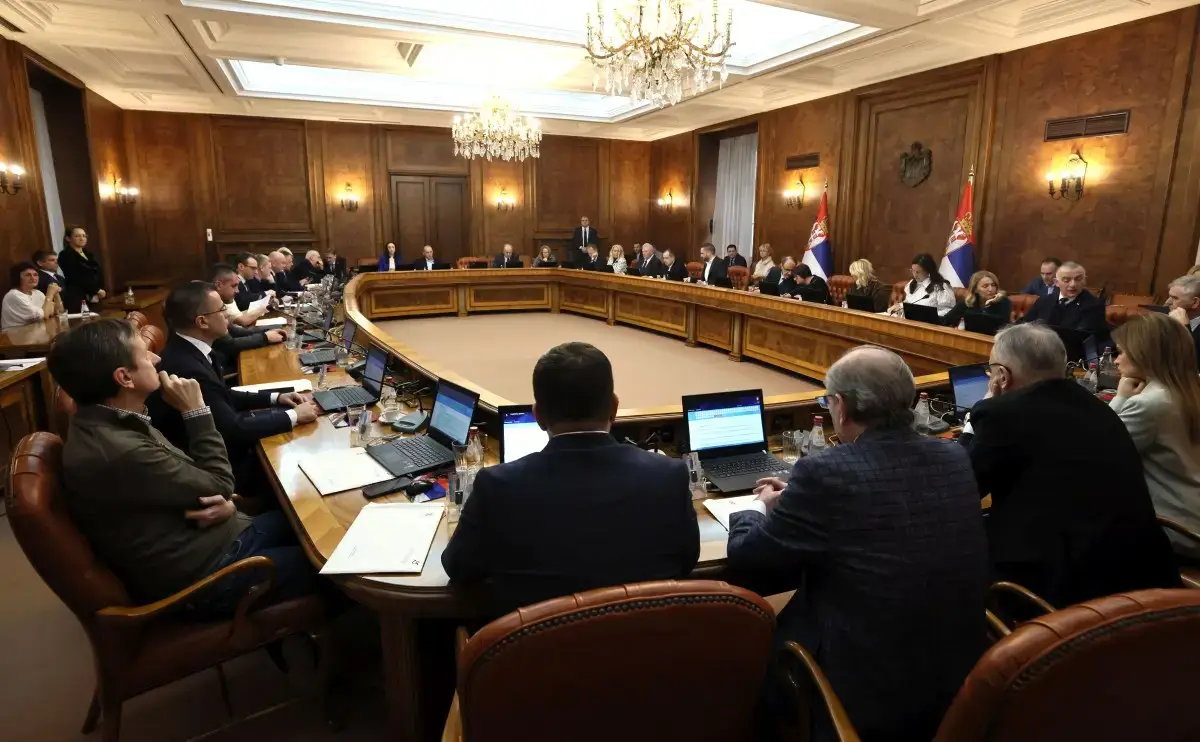 Author: Slobodan Miljević
 -
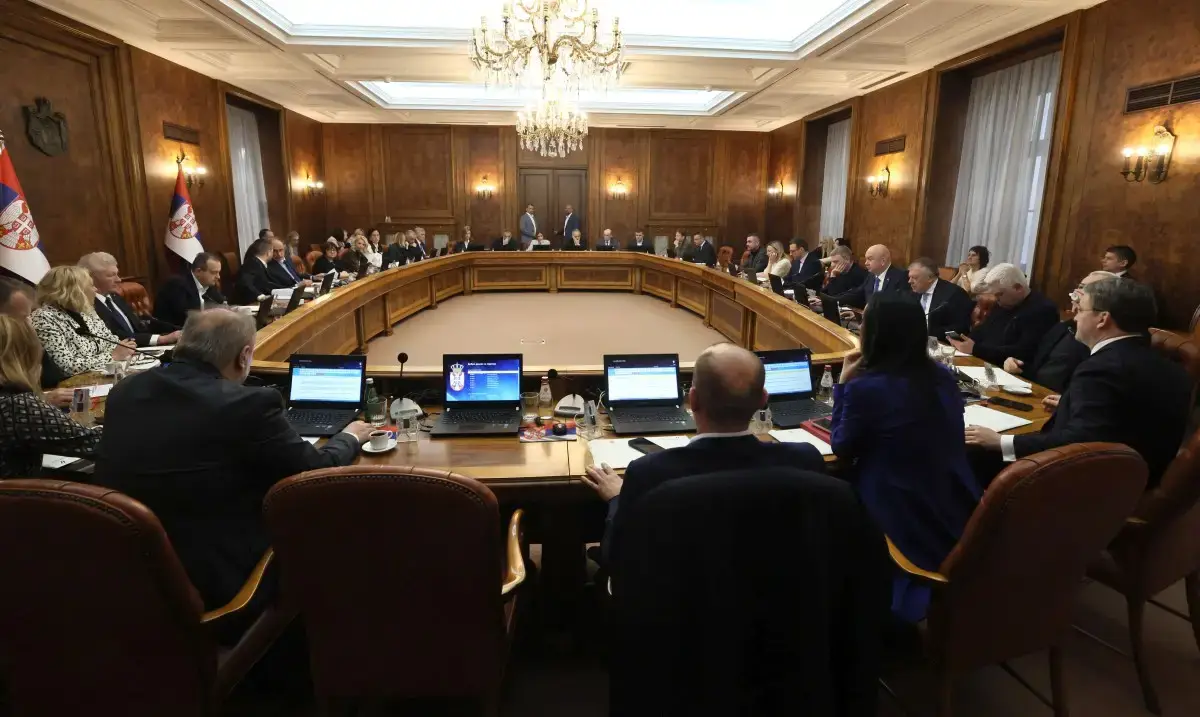 Author: Slobodan Miljević
 -
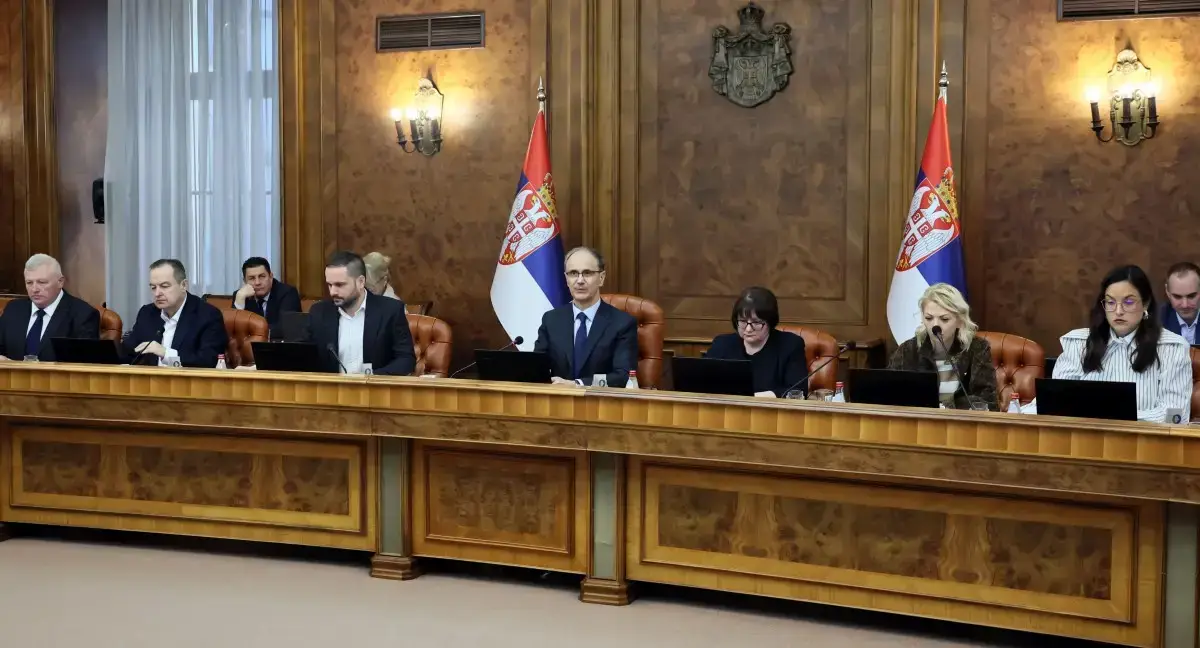 Author: Slobodan Miljević
 -
 Author: Slobodan Miljević
 -
 Author: Slobodan Miljević
-
 Belgrade, 15 October 2026
Next year declared Year of Saint Despot Stefan Lazarević
-
 Belgrade, 12 October 2026
5th “Wine Vision by Open Balkan” international fair ends
-
 Belgrade, 8 October 2026
Government adopts multiple documents across various sectors
-
 Belgrade, 5 October 2026
“Wine Vision by Open Balkan” to be held from 10 to 12 October
-
 Belgrade, 1 October 2026
Conclusion adopted on remediation plan for Deliblato Sands area
-
 Belgrade, 28 September 2026
Continuity of reforms in EU accession process
-
 Belgrade, 24 September 2026
Government adopts decrees, decisions of importance for migration, sport
-
 Belgrade, 17 September 2026
Linking state support measures for housing for families with children
-
 Belgrade, 14 September 2026
Official request for overflight clearance for Serbian government aircraft submitted on 11 September
-
 Belgrade, 11 September 2026
Eligibility expanded for rural house purchase grant scheme