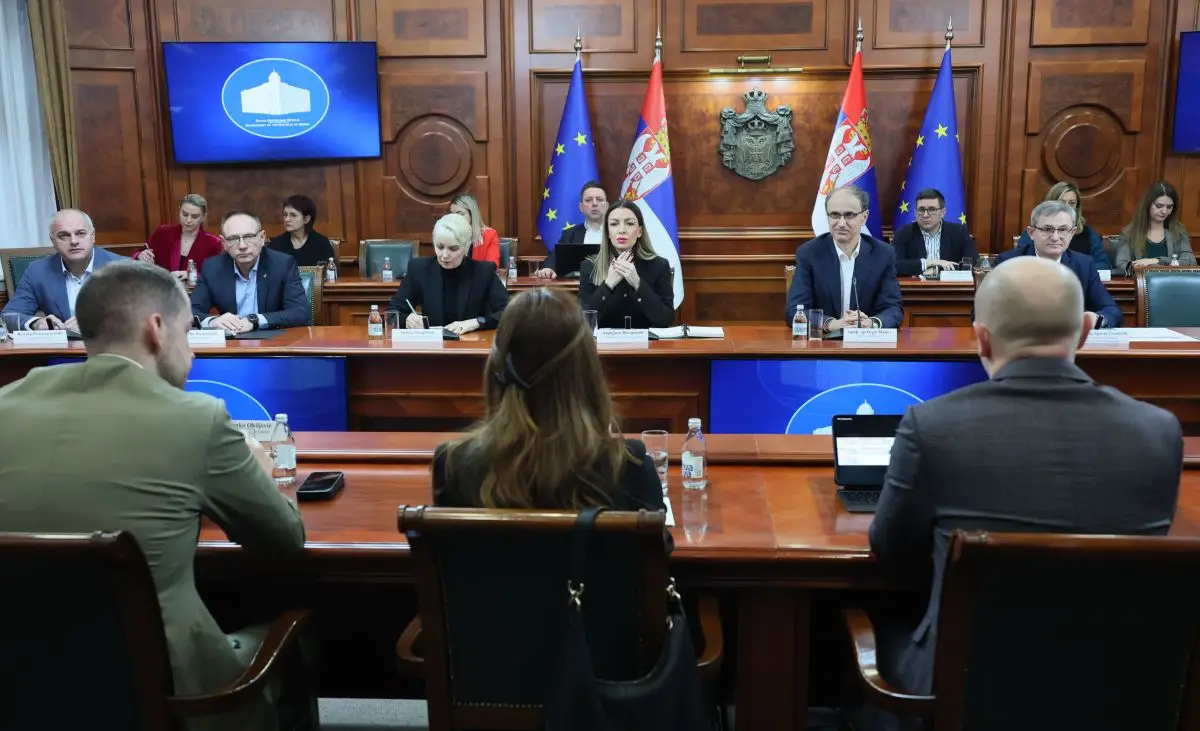
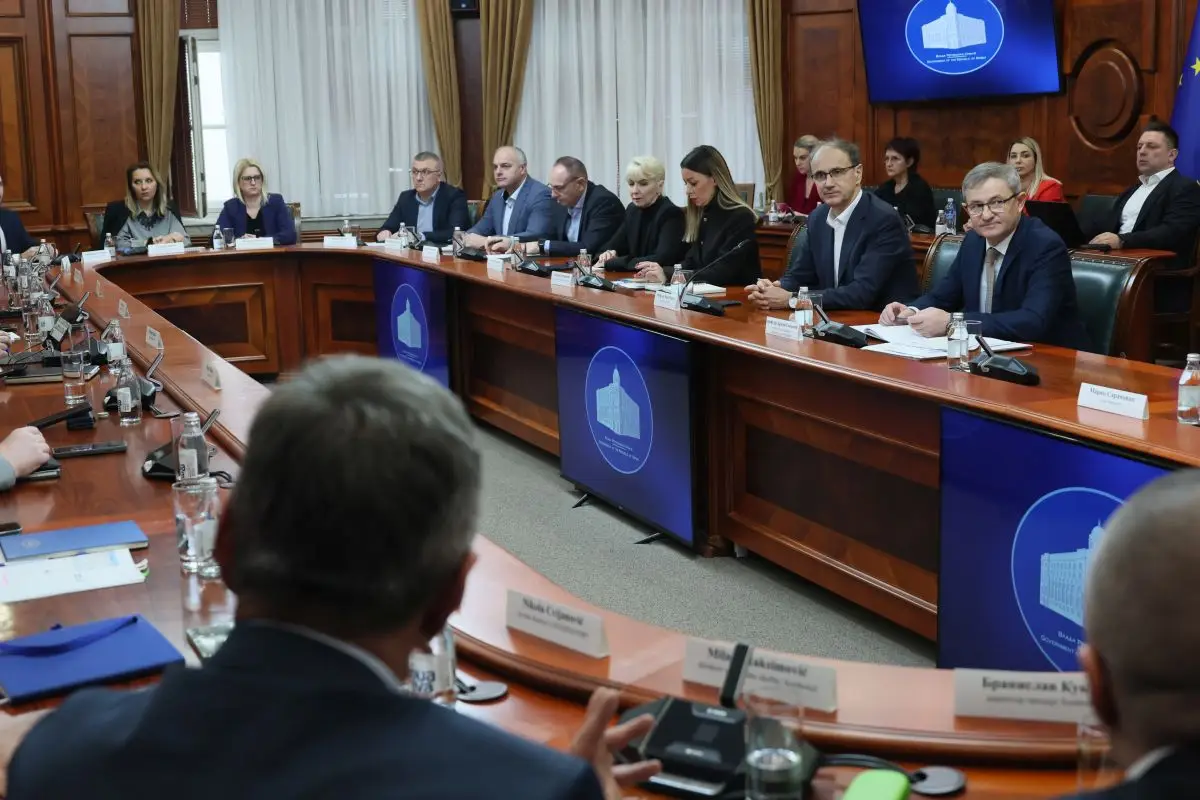
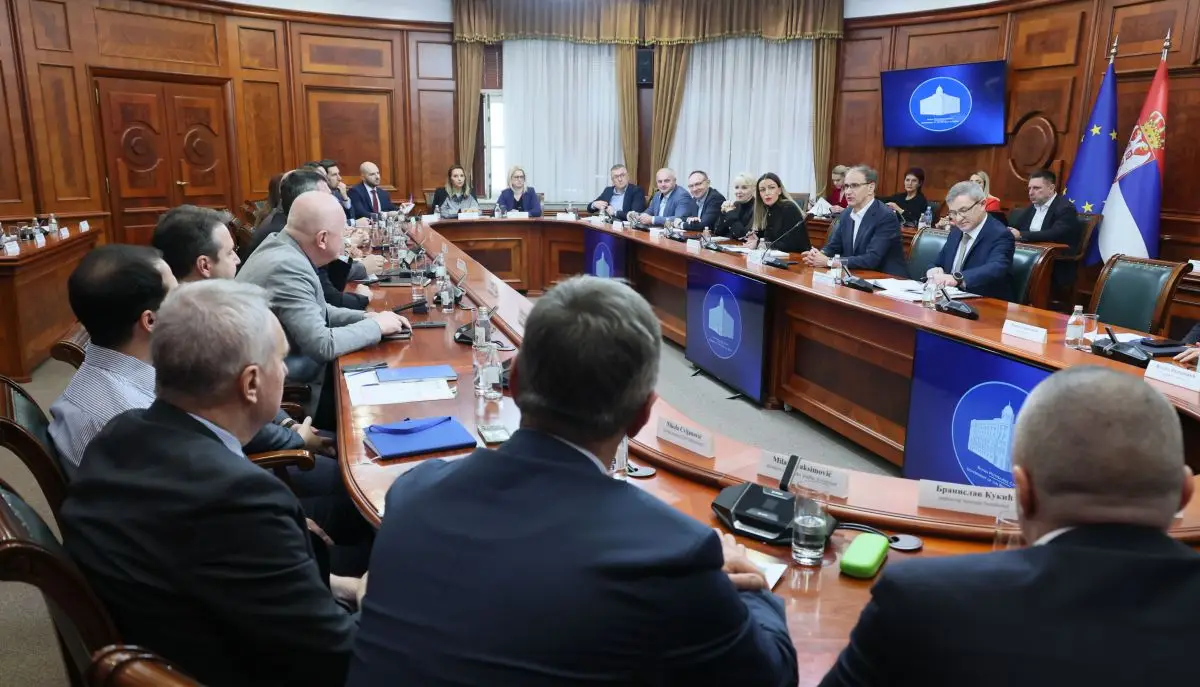
Prime Minister Professor Đuro Macut, MD, DSc, today spoke with representatives of dairies and retail chains about overcoming the possible consequences of the milk production crisis in the European market for the Serbian market.

Q:
A:
Overcoming dairy sector crisis through dialogue
Belgrade,
25 December 2025
At a meeting attended by Minister of Agriculture, Forestry and Water Management Dragan Glamočić, Minister of Economy Adrijana Mesarović and Minister of Domestic and Foreign Trade Jagoda Lazarević, Macut emphasised that disruptions in the markets of European Union countries are also leading to market instability and pressure on domestic producers.
The Prime Minister said that the government, in cooperation with domestic milk producers and retail chains, will do everything possible to find solutions and prevent the escalation of these problems.
The Prime Minister also warned that any kind of threat to domestic production will not be tolerated.
The relevant ministers agreed with Macut that dialogue is the way to solve problems and supported discounted prices of products, noting that there should be more such initiatives in retail chains.
Representatives of dairy companies presented the reasons for their concern, especially emphasising the tariffs imposed by the United States on European cheese producers, bearing in mind that domestic dairy companies are mainly export-oriented.
According to them, one of the problems is the negative campaign that is being conducted mainly through social media, namely that there are not enough cows in Serbia and that dairy products in stores are not made from domestic milk.
It was stated that it is necessary to implement more extensive control of the smuggling of these products, which end up on the markets, at state borders, and to inform the public about the quality of domestic production through media campaigns, and to prosecute those who spread falsehoods, especially on social media.
-
 Author: Slobodan Miljević
 -
 Author: Slobodan Miljević
 -
 Author: Slobodan Miljević
-
 Belgrade/Budapest, 23 October 2026
Good relations with Hungary help Serbia on its European path
-
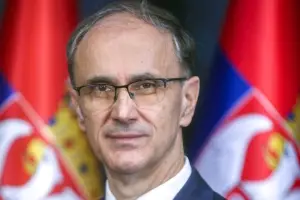 Belgrade, 23 October 2026
Prime Minister Macut at commemoration of 70th anniversary of Hungarian Revolution
-
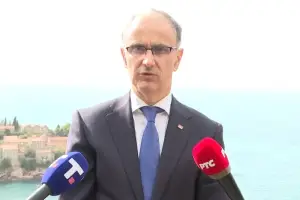 Belgrade/Budva, 22 October 2026
Serbia one of key factors in regional integration
-
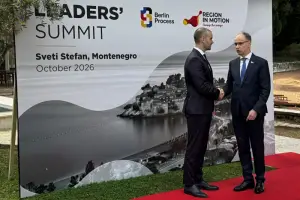 Belgrade/Sveti Stefan, 22 October 2026
Serbia committed to continuing reforms on path to full EU membership
-
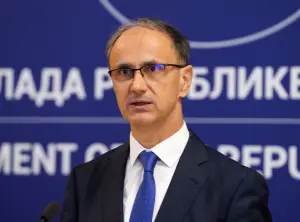 Belgrade, 21 October 2026
Prime Minister Macut to attend Berlin Process Leaders’ Summit in Sveti Stefan
-
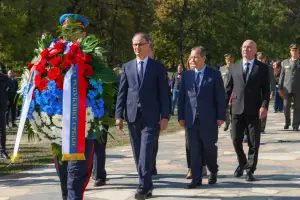 Kragujevac, 21 October 2026
Macut pays tribute to civilians executed during World War II
-
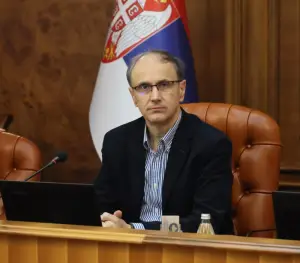 Belgrade, 21 October 2026
Importance of maintaining public order, peace on election day
-
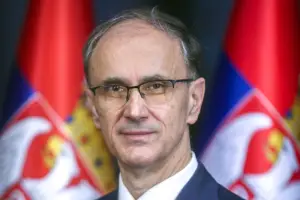 Belgrade, 20 October 2026
Macut congratulates Luca Niculescu on his election as new Prime Minister of Romania
-
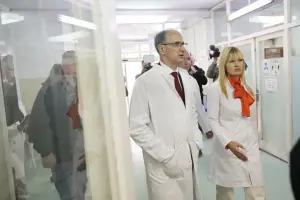 Petrovac na Mlavi/Žagubica, 19 October 2026
Strengthening healthcare institutions among government priorities
-
 Belgrade/Dalj, 17 October 2026
Serbia to continue supporting its people, Serbian Orthodox Church in Croatia