
Q:
A:
EU should prompt Pristina to flexibility
Belgrade/Brussels,
19 November 2007
Serbian Deputy Prime Minister Bozidar Djelic stated today in Brussels that Belgrade expects the EU to prompt Pristina to creativity and flexibility, the likes of which it demanded and got from the Serbian negotiating team.
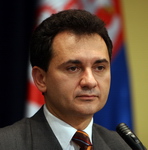
Bozidar Djelic
Following the meeting with Slovenian Foreign Minister Dimitri Rupel on the margins of the EU Council of Ministers meeting, Djelic said that now that local and parliamentary elections are concluded in the province, Serbia expects that the EU demands some flexibility on the part of Kosovo Albanians.
It is time to exert some pressure on Pristina as well since Serbia has been doing all it can to reach a compromise solution, stressed the Deputy Prime Minister and added that Serbia came out with fresh ideas which are flexible, innovative and constructive.
We now expect that the EU demands the same from Kosovo Albanians who haven’t offered anything in the course of the talks, Djelic pointed out.
He stressed that Rupel told him that the majority of EU members is aware of the flexibility in Belgrade’s stance and all advantages of a compromise solution, as well as that Slovenia fully endorses the negotiating process without a prejudged outcome.
The Serbian Deputy Prime Minister also said that Slovenia is advocating that Serbia should sign the Stabilisation and Association Agreement with the EU by end-January and is also in favour of further steps towards visa liberalisation, adding that it will help Serbia to get EU candidate status by end-2008.
Today in Brussels Djelic also talked with four EU commissioners; with Commissioner for Regional Policy Danuta Hübner he talked about technical assistance to Serbia for the purposes of getting regional funds after Serbia gets EU candidate status, whereas with Commissioner for Economic and Monetary Affairs Joaquín Almunia, Research Commissioner Janez Potocnik and Trade Commissioner Peter Mandelson he discussed technical and financial assistance.
Following these meetings, Djelic said that the European Commission will support Serbia’s efforts to build a mechanism for getting large structural EU funds for less developed areas.
According to Djelic, Serbia may count on support worth from €200 million to €300 million from EU structural funds.
Djelic said that he reached agreement with Hübner that European Commission administration helps Belgrade in efforts to build an institutional system which could allow Serbia to begin using EU funds for regional development as soon as it acquires candidate status.
A technical team from Belgrade will visit the European Commission by the end of the year to determine together with the commission’s regional policy experts which regions will get financial support from the EU, said Djelic.
According to Djelic, Hübner accepted the invitation to visit Belgrade next year in spring and support Serbia’s efforts to become eligible for receiving funds for regional development.
He said that agreement was reached with Almunia that Serbia, with EU support, considers signing a new arrangement with the IMF at the spring session of the World Bank and the IMF.
It is time to exert some pressure on Pristina as well since Serbia has been doing all it can to reach a compromise solution, stressed the Deputy Prime Minister and added that Serbia came out with fresh ideas which are flexible, innovative and constructive.
We now expect that the EU demands the same from Kosovo Albanians who haven’t offered anything in the course of the talks, Djelic pointed out.
He stressed that Rupel told him that the majority of EU members is aware of the flexibility in Belgrade’s stance and all advantages of a compromise solution, as well as that Slovenia fully endorses the negotiating process without a prejudged outcome.
The Serbian Deputy Prime Minister also said that Slovenia is advocating that Serbia should sign the Stabilisation and Association Agreement with the EU by end-January and is also in favour of further steps towards visa liberalisation, adding that it will help Serbia to get EU candidate status by end-2008.
Today in Brussels Djelic also talked with four EU commissioners; with Commissioner for Regional Policy Danuta Hübner he talked about technical assistance to Serbia for the purposes of getting regional funds after Serbia gets EU candidate status, whereas with Commissioner for Economic and Monetary Affairs Joaquín Almunia, Research Commissioner Janez Potocnik and Trade Commissioner Peter Mandelson he discussed technical and financial assistance.
Following these meetings, Djelic said that the European Commission will support Serbia’s efforts to build a mechanism for getting large structural EU funds for less developed areas.
According to Djelic, Serbia may count on support worth from €200 million to €300 million from EU structural funds.
Djelic said that he reached agreement with Hübner that European Commission administration helps Belgrade in efforts to build an institutional system which could allow Serbia to begin using EU funds for regional development as soon as it acquires candidate status.
A technical team from Belgrade will visit the European Commission by the end of the year to determine together with the commission’s regional policy experts which regions will get financial support from the EU, said Djelic.
According to Djelic, Hübner accepted the invitation to visit Belgrade next year in spring and support Serbia’s efforts to become eligible for receiving funds for regional development.
He said that agreement was reached with Almunia that Serbia, with EU support, considers signing a new arrangement with the IMF at the spring session of the World Bank and the IMF.

-
 Belgrade, 3 June 2026
Bizerba continues to develop production in Serbia
-
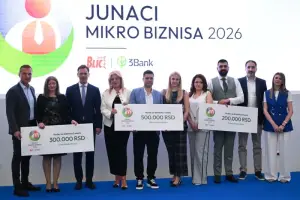 Belgrade, 2 June 2026
Small entrepreneurs driving force of domestic economy
-
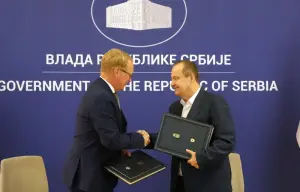 Belgrade, 1 June 2026
Serbia joins Frontex Partnership Academies Network
-
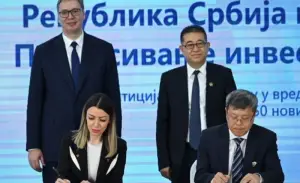 Belgrade/Shanghai, 28 May 2026
Commercial contracts signed with leading Chinese companies
-
 Belgrade/Jiaxing, 27 May 2026
Serbia entering new phase of technological, industrial development
-
 Belgrade, 27 May 2026
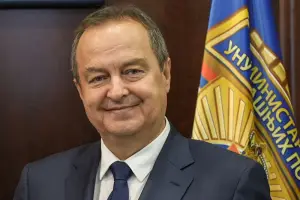
Dačić extends Kurban Bayram greetings
-
 Belgrade/Jinan, 26 May 2026
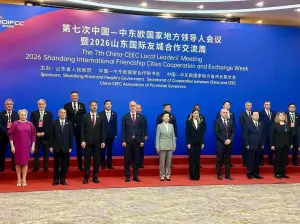
Strengthening international standing, economy through cooperation with China
-
 Belgrade/Beijing, 25 May 2026
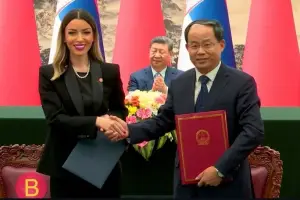
Opening new opportunities to strengthen economic cooperation with China
-
 Belgrade, 25 May 2026
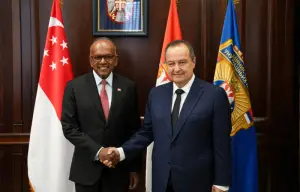
Serbia committed to developing cooperation with Singapore in field of security
-
 Belgrade, 23 May 2026
Dačić sends telegram of condolences over tragedy in mine in China