Q:
A:
Readmission agreement forbids sudden return of Serbian asylum-seekers, illegal emigrants
Belgrade,
27 September 2007
Director of the EU Integration Office Tanja Miscevic stated that the Agreement on Readmission, which Serbia signed on September 18 and which should be enforced on January 1, 2008, does not allow the sudden return of asylum-seekers and illegal emigrants to Serbia.
At the round table discussion themed “Towards the White Schengen List”, Miscevic noted that citizens are poorly informed and do not understand what the agreements on visa relaxations and readmission imply.
She explained there won’t be a sudden return of a large number of asylum-seekers and illegal emigrants to Serbia, adding that at the most, 4,500 citizens will be returning each year, because conditions for the reintegration of returnees must be provided.
As for visa relaxations, the agreement envisages that citizens who for the first time apply for visas to Schengen countries will get them for a longer period and with more entries. She added that only three documents will be needed – a written statement saying they belong to a certain category, the letter of invitation and application for the Schengen visa.
Visas will be free-of-charge for certain categories, such as students, the academic and scientific community, journalists, sportspeople and people travelling for medical purposes, whereas businesspeople will pay half the current fee, specified Miscevic.
At the round table discussion, organised by the NGO “Group 484” with the support of the Fund for an Open Society, Advisor to the Serbian Deputy Prime Minister Vladimir Todorovic said that the signing of agreements on visa relaxations and readmission is a huge challenge for Serbia.
There isn’t a list of conditions Serbia should fulfil in order to enter the “Schengen system”, explained Todorovic and stressed that Serbian parliament must speed up its legislative procedure in order to pass the bills on asylum, movement of foreigners, protection of personal data and other legal acts.
She explained there won’t be a sudden return of a large number of asylum-seekers and illegal emigrants to Serbia, adding that at the most, 4,500 citizens will be returning each year, because conditions for the reintegration of returnees must be provided.
As for visa relaxations, the agreement envisages that citizens who for the first time apply for visas to Schengen countries will get them for a longer period and with more entries. She added that only three documents will be needed – a written statement saying they belong to a certain category, the letter of invitation and application for the Schengen visa.
Visas will be free-of-charge for certain categories, such as students, the academic and scientific community, journalists, sportspeople and people travelling for medical purposes, whereas businesspeople will pay half the current fee, specified Miscevic.
At the round table discussion, organised by the NGO “Group 484” with the support of the Fund for an Open Society, Advisor to the Serbian Deputy Prime Minister Vladimir Todorovic said that the signing of agreements on visa relaxations and readmission is a huge challenge for Serbia.
There isn’t a list of conditions Serbia should fulfil in order to enter the “Schengen system”, explained Todorovic and stressed that Serbian parliament must speed up its legislative procedure in order to pass the bills on asylum, movement of foreigners, protection of personal data and other legal acts.
-
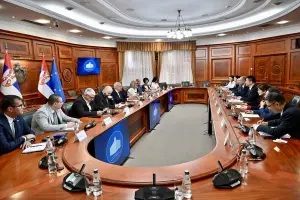 Belgrade, 18 June 2026
Establishing cooperation with Chinese technology giant CETC
-
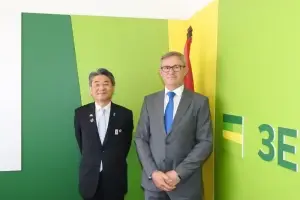 Belgrade, 18 June 2026
New opportunities for strengthening economic cooperation with Japan
-
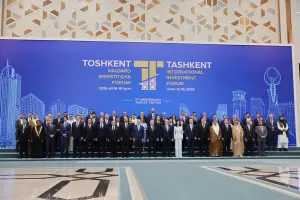 Belgrade/Tashkent, 18 June 2026
Serbia reliable partner in joint infrastructure projects
-
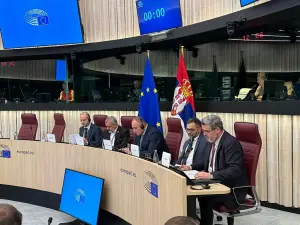 Belgrade/Strasbourg, 17 June 2026
Serbia continues reforms in line with European standards
-
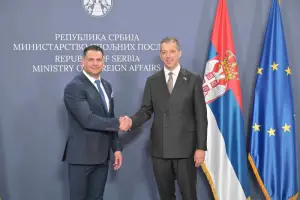 Belgrade, 17 June 2026
Serbia appreciates Slovenia's continued support in European integration process
-
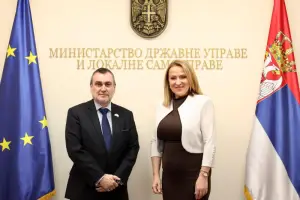 Belgrade, 17 June 2026
Deepening cooperation with Spain in field of modernising public administration
-
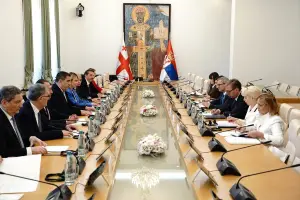 Belgrade/Tbilisi, 16 June 2026
Boosting Serbia-Georgia links in field of agriculture
-
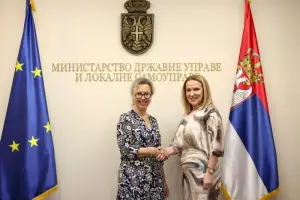 Belgrade, 16 June 2026
Enhancing partnership between Serbia, France in modernising public administration
-
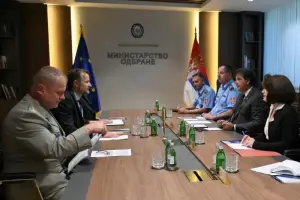 Belgrade, 16 June 2026
Strengthening regional, global security Serbia’s strategic commitment