Q:
A:
Birth rate in Serbia below necessary level for succession of generations
Belgrade,
12 September 2007
Serbian Minister of Labour and Social Policy Rasim Ljajic warned today that the birth rate in Serbia is 30% below the level necessary for renewal of population, which affects the economic structure of the population and structure of the workforce.
Author:
Tanjug
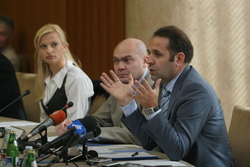
Opening a roundtable on the draft strategy for increasing the birth rate, Ljajic said that this issue is topical everywhere in Europe and specified that 61 countries in the world have the problem of low fertility.
He said that this problem has been troubling Serbia since 1956 and that low fertility causes depopulation and excessive aging of the population, so it is no wonder that Serbia has one of the oldest populations in the world.
Currently, one-sixth of the population is older than 65, or more precisely 900,000 in central Serbia and around 300,000 in Vojvodina, Ljajic specified and added that in 2003 the birth rate was positive in only ten municipalities in Serbia, and not in single one of 65 municipalities in Vojvodina.
Ljajic said that the Ministry formed a sector for population policy which will deal with this problem, and it will also propose that the Serbian government form a special national council for population policy.
Assistant Minister for Population Policy Bojan Andjelkovic said that the strategy for increasing the birth-rate envisages seven measures, including measures for reducing the economic price of parenthood, harmonisation of work and parenthood, promotion of reproductive health, fight against infertility, the programme "For healthy motherhood", as well as measures for directly including local self-governments into the implementation of the document.
If the strategy is adopted, future parents will be able to count on a one-off support after the birth of the child, monthly payments to unemployed mothers, supplement payments for the families with three and four children and full payment of monthly salaries for women on maternity leave, who now receive 65% of the salary.
He said that this problem has been troubling Serbia since 1956 and that low fertility causes depopulation and excessive aging of the population, so it is no wonder that Serbia has one of the oldest populations in the world.
Currently, one-sixth of the population is older than 65, or more precisely 900,000 in central Serbia and around 300,000 in Vojvodina, Ljajic specified and added that in 2003 the birth rate was positive in only ten municipalities in Serbia, and not in single one of 65 municipalities in Vojvodina.
Ljajic said that the Ministry formed a sector for population policy which will deal with this problem, and it will also propose that the Serbian government form a special national council for population policy.
Assistant Minister for Population Policy Bojan Andjelkovic said that the strategy for increasing the birth-rate envisages seven measures, including measures for reducing the economic price of parenthood, harmonisation of work and parenthood, promotion of reproductive health, fight against infertility, the programme "For healthy motherhood", as well as measures for directly including local self-governments into the implementation of the document.
If the strategy is adopted, future parents will be able to count on a one-off support after the birth of the child, monthly payments to unemployed mothers, supplement payments for the families with three and four children and full payment of monthly salaries for women on maternity leave, who now receive 65% of the salary.
-
 Subotica, 19 June 2026
Open dialogue key to resolving bilateral issues with Croatia
-
 Belgrade/Thessaloniki, 18 June 2026
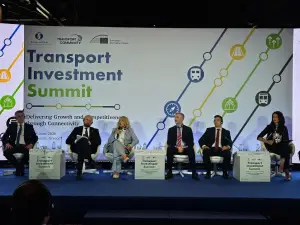
Regional cooperation key to development of transport infrastructure
-
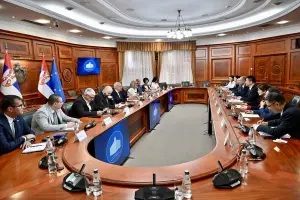 Belgrade, 18 June 2026
Establishing cooperation with Chinese technology giant CETC
-
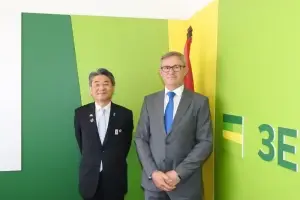 Belgrade, 18 June 2026
New opportunities for strengthening economic cooperation with Japan
-
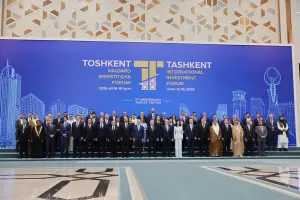 Belgrade/Tashkent, 18 June 2026
Serbia reliable partner in joint infrastructure projects
-
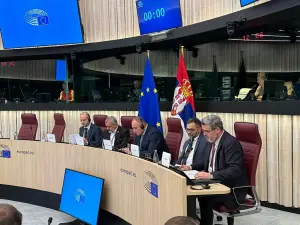 Belgrade/Strasbourg, 17 June 2026
Serbia continues reforms in line with European standards
-
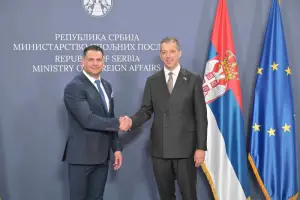 Belgrade, 17 June 2026
Serbia appreciates Slovenia's continued support in European integration process
-
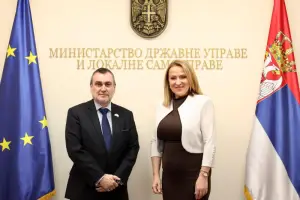 Belgrade, 17 June 2026
Deepening cooperation with Spain in field of modernising public administration
-
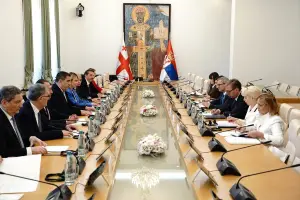 Belgrade/Tbilisi, 16 June 2026
Boosting Serbia-Georgia links in field of agriculture