Q:
A:
SAA crucial for future relations of Serbia, EU
Brussels,
5 September 2007
Serbian Minister of Foreign Affairs Vuk Jeremic said today in Brussels that Serbia is ready to fully cooperate with the Hague tribunal, which means that it will do everything in its power to locate, arrest and transfer to The Hague all indictees for war crimes.
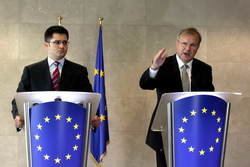
Vuk Jeremic and Olli Rehn
Author:
Fonet
After meeting with EU Enlargement Commissioner Olli Rehn, Jeremic expressed hope that Stabilisation and Association Agreement (SAA) will be initialled in October.
Speaking on the future status of Kosovo-Metohija, he said that he agrees with Rehn that it is necessary to support the work of the international troika so as to find a compromise solution that would result in the whole Western Balkans sharing a European future.
The Serbian Foreign Minister stressed that it is necessary to avoid unilateral threats and pointed out that regardless of how difficult it is to make a compromise, stability in the Balkans and a European future for the whole region can be achieved only through a compromise.
Rehn said he is satisfied with technical progress of SAA talks with Serbia, but repeated that the necessary condition for their conclusion is full cooperation with the Hague tribunal, which means the arrest and extradition of all Hague indictees.
Rehn said that SAA is crucial for future relations between Serbia and the EU as it will have concrete economic and commercial advantages for the country, adding that this should be Serbia’s next step toward European integration.
He announced that the signing of the Agreement on visa relaxations with Serbia is expected to be signed on September 18, 2007 and enforced on January 1, 2008.
Speaking on the status of Kosovo-Metohija, Rehn stressed that today he spoke with EU representative in the troika of envoys Wolfgang Ischinger, who has full EU support in the process whose aim is to find solution for the southern province’s future status.
He said that Ischinger is seriously working in that process and that the EU expects constructive moves of Belgrade and Pristina as well as the result on December 10.
Jeremic presented today in the NATO Council in Brussels an official document on Serbia’s basic goals in the Partnership for Peace prgoramme.
The Minister stressed that one of the strategic priorities of Serbia, besides full EU membership, is participation in the activities of PfP and integration into Euro-Atlantic institutions.
According to Jeremic, Serbia wishes to be actively engaged in activities of the PfP and strengthen its Euro-Atlantic perspective.
As soon as Serbia signs the security agreement on exchange of confidential data and opens its mission in NATO, people in Serbia and the region will be able to benefit from the PfP, said Jeremic.
He described the presentation document as a written declaration of Serbia’s dedication to making efforts directed towards creating a free and peaceful Europe.
The document clearly states that Serbia believes in the strategy of intensive regional cooperation and Euro-Atlantic activities, said Jeremic, and added that the document also in detail presents the fields of cooperation which Serbia considers to be priority in the framework of the PfP programme.
Speaking on Serbia’s wish to be included in creating a better and safer world, he said that Serbia is ready to participate in peace missions which are being conducted by the UN.
According to Jeremic, Serbia wishes to help post-conflict societies to rebuild, as is being done in various areas in the world, including the southern Serbian province, Kosovo-Metohija.
In this context, Jeremic said that the Kosovo-Metohija status issue is the most important security question in Europe, recalling that Serbia’s stand is to resolve this issue through a solution based on compromise.
He expressed cautious optimism that new negotiations, which are being led by the international troika of envoys, will lead to such a solution, adding that this is the only way forward, which presents the best hope for strengthening democracy and stability in the region.
The Minister pointed to the dangers involved in any imposed independence for Kosovo-Metohija, or any solution which is not approved by the Security Council, since that would create a dangerous precedent, despite all efforts to the contrary.
That precedent would damage international order, since through it part of the territory of a democratic country will be seized, and it would lead to a situation that will certainly get out of control, concluded Jeremic.
The presentation document includes main activities and goals of Serbia and is the result of joint work between the Ministry of Foreign Affairs and the Ministry of Defence, which was unanimously approved by the government.
A security document on exchange of confidential data will be signed afterwards.
Serbia was given the green light in Riga by NATO Heads of State to join the PfP programme at the summit in Riga on November 29, 2006, and officially joined the PfP programme on December 14, 2006 together with Montenegro and Bosnia-Herzegovina.
Speaking on the future status of Kosovo-Metohija, he said that he agrees with Rehn that it is necessary to support the work of the international troika so as to find a compromise solution that would result in the whole Western Balkans sharing a European future.
The Serbian Foreign Minister stressed that it is necessary to avoid unilateral threats and pointed out that regardless of how difficult it is to make a compromise, stability in the Balkans and a European future for the whole region can be achieved only through a compromise.
Rehn said he is satisfied with technical progress of SAA talks with Serbia, but repeated that the necessary condition for their conclusion is full cooperation with the Hague tribunal, which means the arrest and extradition of all Hague indictees.
Rehn said that SAA is crucial for future relations between Serbia and the EU as it will have concrete economic and commercial advantages for the country, adding that this should be Serbia’s next step toward European integration.
He announced that the signing of the Agreement on visa relaxations with Serbia is expected to be signed on September 18, 2007 and enforced on January 1, 2008.
Speaking on the status of Kosovo-Metohija, Rehn stressed that today he spoke with EU representative in the troika of envoys Wolfgang Ischinger, who has full EU support in the process whose aim is to find solution for the southern province’s future status.
He said that Ischinger is seriously working in that process and that the EU expects constructive moves of Belgrade and Pristina as well as the result on December 10.
Jeremic presented today in the NATO Council in Brussels an official document on Serbia’s basic goals in the Partnership for Peace prgoramme.
The Minister stressed that one of the strategic priorities of Serbia, besides full EU membership, is participation in the activities of PfP and integration into Euro-Atlantic institutions.
According to Jeremic, Serbia wishes to be actively engaged in activities of the PfP and strengthen its Euro-Atlantic perspective.
As soon as Serbia signs the security agreement on exchange of confidential data and opens its mission in NATO, people in Serbia and the region will be able to benefit from the PfP, said Jeremic.
He described the presentation document as a written declaration of Serbia’s dedication to making efforts directed towards creating a free and peaceful Europe.
The document clearly states that Serbia believes in the strategy of intensive regional cooperation and Euro-Atlantic activities, said Jeremic, and added that the document also in detail presents the fields of cooperation which Serbia considers to be priority in the framework of the PfP programme.
Speaking on Serbia’s wish to be included in creating a better and safer world, he said that Serbia is ready to participate in peace missions which are being conducted by the UN.
According to Jeremic, Serbia wishes to help post-conflict societies to rebuild, as is being done in various areas in the world, including the southern Serbian province, Kosovo-Metohija.
In this context, Jeremic said that the Kosovo-Metohija status issue is the most important security question in Europe, recalling that Serbia’s stand is to resolve this issue through a solution based on compromise.
He expressed cautious optimism that new negotiations, which are being led by the international troika of envoys, will lead to such a solution, adding that this is the only way forward, which presents the best hope for strengthening democracy and stability in the region.
The Minister pointed to the dangers involved in any imposed independence for Kosovo-Metohija, or any solution which is not approved by the Security Council, since that would create a dangerous precedent, despite all efforts to the contrary.
That precedent would damage international order, since through it part of the territory of a democratic country will be seized, and it would lead to a situation that will certainly get out of control, concluded Jeremic.
The presentation document includes main activities and goals of Serbia and is the result of joint work between the Ministry of Foreign Affairs and the Ministry of Defence, which was unanimously approved by the government.
A security document on exchange of confidential data will be signed afterwards.
Serbia was given the green light in Riga by NATO Heads of State to join the PfP programme at the summit in Riga on November 29, 2006, and officially joined the PfP programme on December 14, 2006 together with Montenegro and Bosnia-Herzegovina.
-
 Subotica, 19 June 2026
Open dialogue key to resolving bilateral issues with Croatia
-
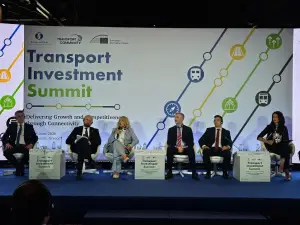 Belgrade/Thessaloniki, 18 June 2026
Regional cooperation key to development of transport infrastructure
-
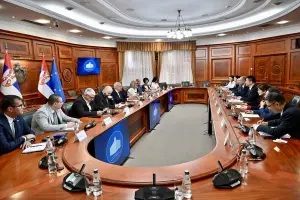 Belgrade, 18 June 2026
Establishing cooperation with Chinese technology giant CETC
-
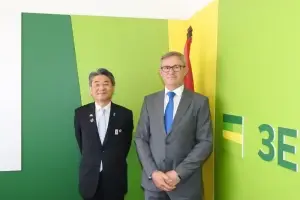 Belgrade, 18 June 2026
New opportunities for strengthening economic cooperation with Japan
-
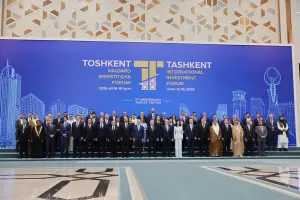 Belgrade/Tashkent, 18 June 2026
Serbia reliable partner in joint infrastructure projects
-
 Belgrade/Strasbourg, 17 June 2026
Serbia continues reforms in line with European standards
-
 Belgrade, 17 June 2026
Serbia appreciates Slovenia's continued support in European integration process
-
 Belgrade, 17 June 2026
Deepening cooperation with Spain in field of modernising public administration
-
 Belgrade/Tbilisi, 16 June 2026
Boosting Serbia-Georgia links in field of agriculture