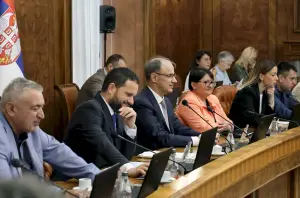
The Serbian government adopted today the Bill on the Judiciary Academy, the Bill amending the Law on the Public Prosecutor’s Office, the Bill amending the Law on Judges and the Bill amending the Law on Lobbying.

Q:
A:
Government additionally cuts excise duties on fuel by 20%
Belgrade,
16 July 2026
The Bill on the Judicial Academy improves the normative framework for the work of this institution and continues the implementation of the judicial reform in accordance with the Constitution of the Republic of Serbia, European standards and recommendations of the Venice Commission.
The adoption of these legal provisions represents a step towards harmonising the normative framework with European standards, thereby confirming the commitment to strengthening the independence of the judiciary, the rule of law and legal certainty.
By adopting the Bill on the Judicial Academy, the government has continued legislative activities under Chapter 23, thus fulfilling one of the significant obligations of the Republic of Serbia in the process of European integration and further strengthening the rule of law.
The proposed amendments to the Law on the Public Prosecutor’s Office and the Law on Judges align the provisions of these laws with those in the Bill on the Judicial Academy, and these amendments are fully consistent with the standards of the Venice Commission and the European Union.
The session also adopted the Decision on the temporary reduction of the amount of excise duty on oil derivatives, entailing an additional reduction of excise duty by a total of 20%, which is one of the measures aimed at preserving the stability of supply and protecting the domestic market from the negative consequences of disruptions to international flows.
-
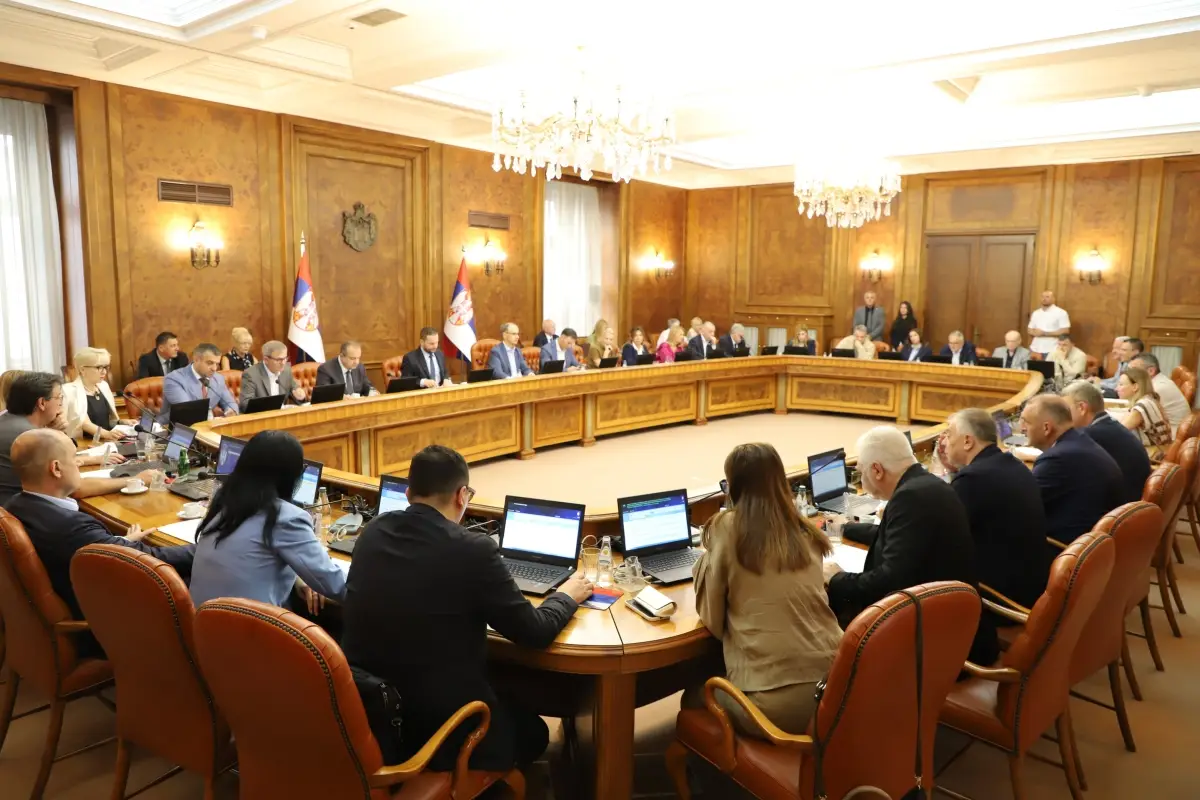 Author: Zoran Nikolić
 -
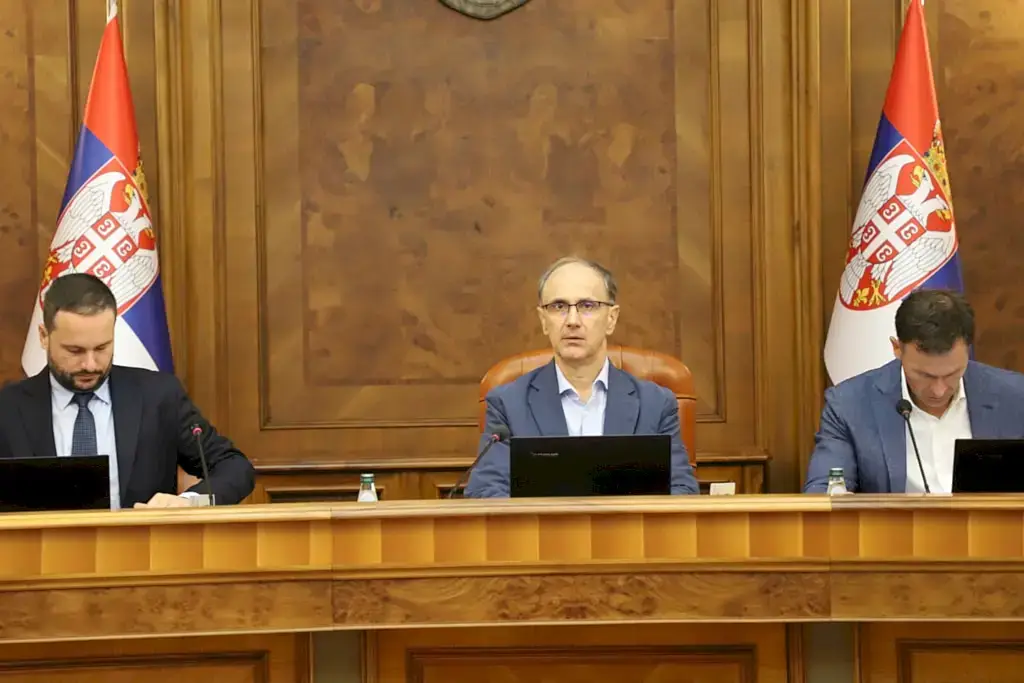 Author: Zoran Nikolić
-
 Belgrade, 12 October 2026
5th “Wine Vision by Open Balkan” international fair ends
-
 Belgrade, 8 October 2026
Government adopts multiple documents across various sectors
-
 Belgrade, 5 October 2026
“Wine Vision by Open Balkan” to be held from 10 to 12 October
-
 Belgrade, 1 October 2026
Conclusion adopted on remediation plan for Deliblato Sands area
-
 Belgrade, 28 September 2026
Continuity of reforms in EU accession process
-
 Belgrade, 24 September 2026
Government adopts decrees, decisions of importance for migration, sport
-
 Belgrade, 17 September 2026
Linking state support measures for housing for families with children
-
 Belgrade, 14 September 2026
Official request for overflight clearance for Serbian government aircraft submitted on 11 September
-
 Belgrade, 11 September 2026
Eligibility expanded for rural house purchase grant scheme
-
 Belgrade, 9 September 2026
Serbia achieves one of highest GDP growth rates in Europe