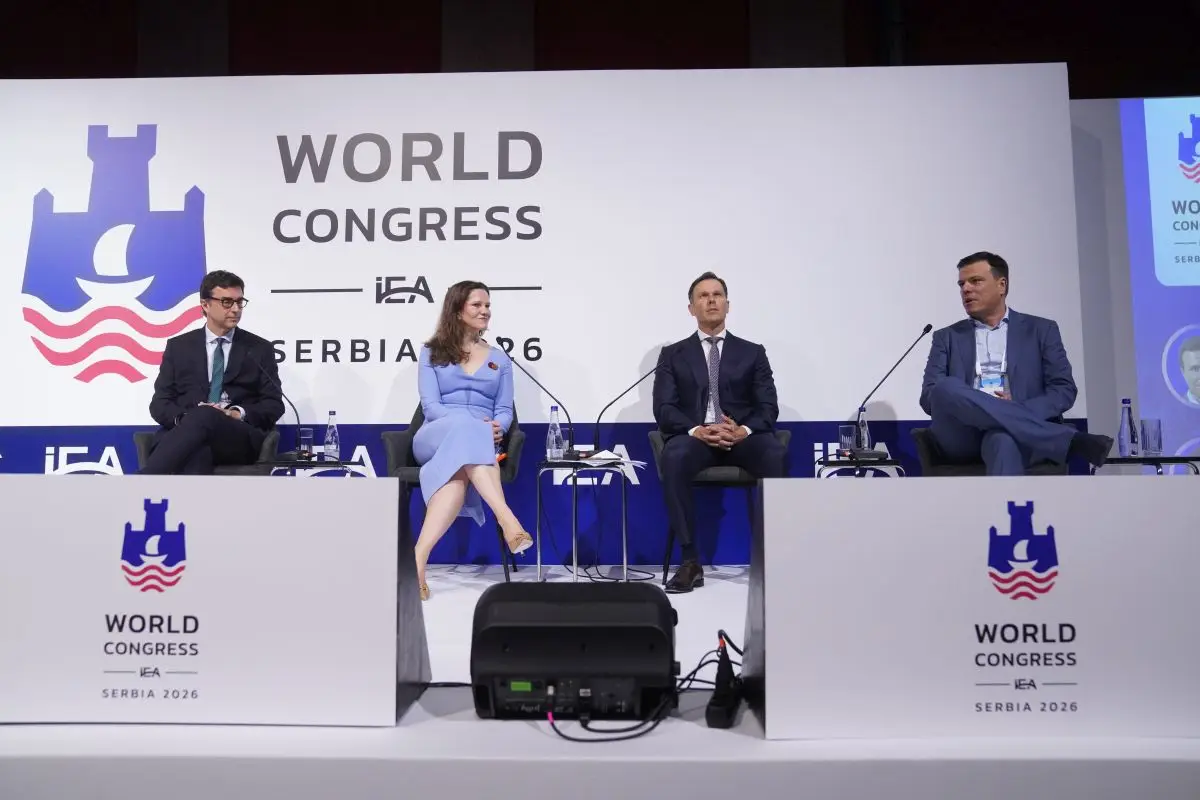
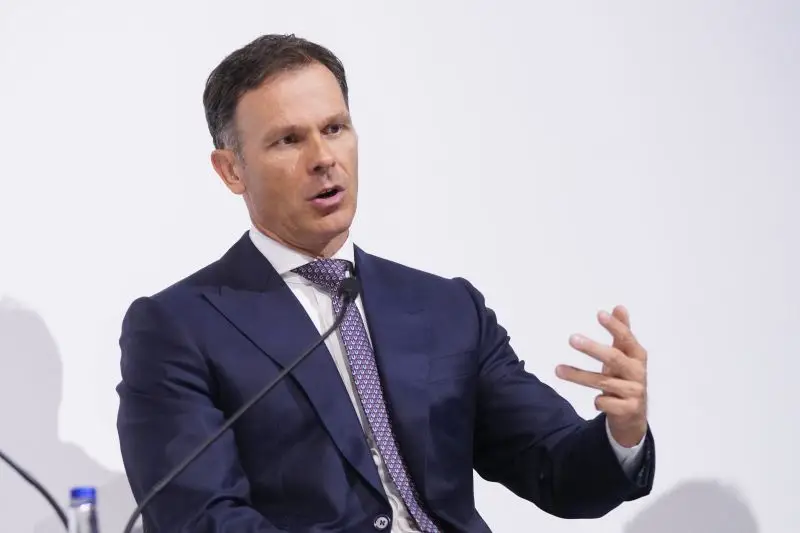
First Deputy Prime Minister and Minister of Finance Siniša Mali emphasised today, at the panel “Fiscal Policy and Financing Sustainable Development”, held within the framework of the 21st World Congress of Economists of the International Economic Association (IEA), that Serbia has shown that it is fiscally resilient.

Q:
A:
Fiscal responsibility foundation of economic security
Belgrade,
24 June 2026
Mali said that, thanks to fiscal resilience, Serbia has almost €5 billion in its account and that it can always react quickly if necessary, adding that Serbia’s public debt amounts to almost 43.7% of GDP, while the average for the eurozone is 88.89%.
The key, he added, is to maintain macroeconomic stability, pay attention to deficits, but also ensure that resilience, fiscal space and available instruments can be used to face all challenges.
When a crisis comes and there is a problem, you have to react, use your reserves, because the price of inaction is probably higher or irreversible in the long term, Mali noted.
He assessed that the state has done an excellent job, while simultaneously thinking about stability, maintaining a low public debt-to-GDP ratio, and also trying to contribute to growth.
Serbia invests 6.7% of its GDP in capital expenditures. Last year it was 7.4%, and 12 to 14 years ago it was approximately 2.5% to 3%, Mali specified.
Serbia’s deficit, as he added, still never exceeds 3%, which is the level of deficit that allows the country to continuously reduce its public debt-to-GDP ratio.
-
 Author: Tanjug/Miloš Milivojević
 -
 Author: Tanjug/Miloš Milivojević
 -
 Author: Tanjug/Miloš Milivojević
-
 Belgrade, 18 September 2026
Active participation of Interior Ministry in operations against child sexual exploitation
-
 Belgrade, 18 September 2026
Joint work by Interior Ministry, IPA to enhance citizen safety
-
 Belgrade, 16 September 2026
Joint police patrols with China result of good, friendly cooperation
-
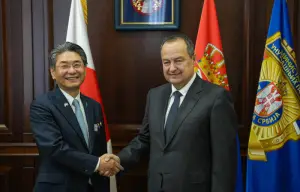 Belgrade, 14 September 2026
Continued cooperation with Japan in areas of mutual interest
-
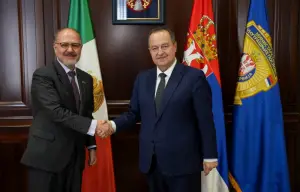 Belgrade, 9 September 2026
Traditional friendship foundation for further strengthening cooperation with Mexico
-
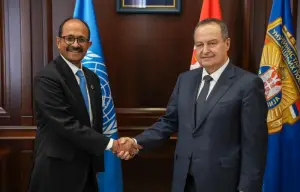 Belgrade, 7 September 2026
Serbia’s approach to disaster risk reduction sets example for region
-
 Belgrade, 6 September 2026
Dačić congratulates Serbian women's volleyball team on winning bronze medal
-
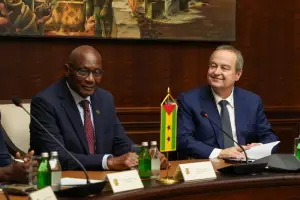 Belgrade, 31 August 2026
Readiness to improve cooperation, friendly ties with African countries
-
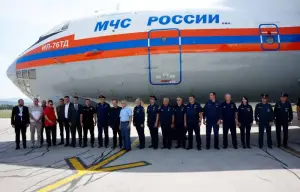 Niš, 25 August 2026
Serbian-Russian cooperation in firefighting efforts
-
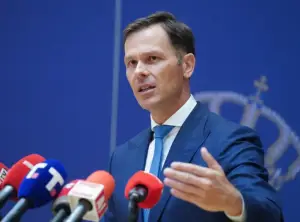 Belgrade, 24 August 2026
Care for people, country’s further development pillars of budget revision