
Q:
A:
Milosavljevic presents keys to medically-equipped transport vehicles
Belgrade,
29 December 2005
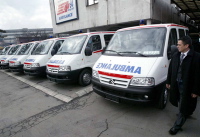
Serbian Minister of Health Tomica Milosavljevic presented today to representatives of health centres from eight municipalities and Belgrade's Emergency Centre the keys to ten vehicles specially equipped for transporting hemodialysis patients.
Author:
Beta
The keys to the vehicles were given to directors of health centres in Secanj, Sremska Mitrovica, Blac, Veliko Gradiste, Boljevac, Svrljig, Sabac, Razanj and Belgrade.
Milosavljevic said that a well-organised emergency service should not be a privilege of big cities and each citizen of Serbia must be given a chance to receive proper emergency medical assistance when the need arises.
He said that providing medical assistance to emergency patients is an absolute priority in all health care systems and it is therefore necessary to improve the work of all emergency centres in Serbia.
According to Milosavljevic, the prehospital death rate and medical assistance to emergency patients are below satisfactory in Serbia, and all citizens should be trained to give first aid as the Law on Red Cross envisages.
Milosavljevic announced that the modernisation of organisational and expert aspects of emergency centres will be continued next year.
Director of Belgrade's Emergency Centre Borko Josifovski said that approximately 200 hemodialysis patients are transported by special vehicles to health centres on a daily basis. These vehicles cover around four million kilometres a year, therefore they have a shorter life span, he explained.
Milosavljevic said that a well-organised emergency service should not be a privilege of big cities and each citizen of Serbia must be given a chance to receive proper emergency medical assistance when the need arises.
He said that providing medical assistance to emergency patients is an absolute priority in all health care systems and it is therefore necessary to improve the work of all emergency centres in Serbia.
According to Milosavljevic, the prehospital death rate and medical assistance to emergency patients are below satisfactory in Serbia, and all citizens should be trained to give first aid as the Law on Red Cross envisages.
Milosavljevic announced that the modernisation of organisational and expert aspects of emergency centres will be continued next year.
Director of Belgrade's Emergency Centre Borko Josifovski said that approximately 200 hemodialysis patients are transported by special vehicles to health centres on a daily basis. These vehicles cover around four million kilometres a year, therefore they have a shorter life span, he explained.
-
 Belgrade, 10 July 2026
Advancing cooperation with Republic of Korea in digital governance
-
 Belgrade/Rome, 10 July 2026
Continued strengthening of overall cooperation between Serbia, Hungary
-
 Belgrade/Brussels, 9 July 2026
Continuing activities to meet European Commission’s recommendations
-
 Belgrade, 9 July 2026
German development support important pillar for Serbia’s reforms, European path
-
 Belgrade, 8 July 2026
Continued cooperation with GIZ on improving position of women in Serbia
-
 Belgrade/Moscow, 8 July 2026
Cooperation between Serbia, Russia in field of modern oncology therapies
-
 Belgrade, 8 July 2026
Ireland’s support for reform processes in Serbia on path to EU
-
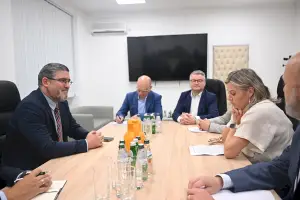 Belgrade, 8 July 2026
Continued strengthening of cooperation with Belgium in European integration process
-
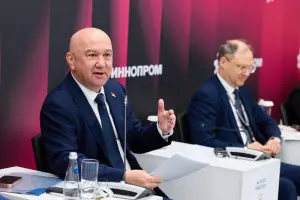 Belgrade, 7 July 2026
Possibilities for improving cooperation with Russia in several areas
-
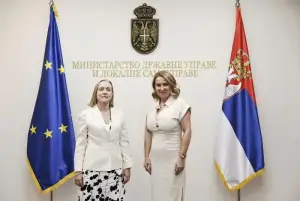 Belgrade, 7 July 2026
UN support for building equal opportunities society continues