
Q:
A:
Stojkovic presents national anti-corruption strategy proposal
Belgrade,
30 November 2005
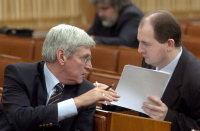
Serbian Minister of Justice Zoran Stojkovic said today that the aim of the National Anti-Corruption Strategy is to reduce corruption to an acceptable level, which will in turn not impede normal functioning of the state.
Author:
Beta
Explaining the proposal before Serbian parliament members, Stojkovic said that with this document the Serbian government commits itself to adopt an action plan for the strategy's implementation in all segments of society and to secure funds for these purposes. In addition, the adoption of a law on the establishment of an independent anti-corruption body that will be appointed by the Serbian parliament is envisaged.
This anti-corruption body will have broad powers in the supervision and control of all segments of the strategy's implementation. It will further be required to submit a report to the parliament once a year, the minister said.
He pointed out that the fight against corruption is a long process in which all state bodies must take part. For that reason, the strategy is aimed at eliminating any opportunities for corruption and increasing the risks associated with such activity, thus serving to reduce interest in corrupt behaviour and its supposed benefits.
According to Stojkovic, this strategy contains proposals for efficient implementation of anti-corruption regulations, for prevention of such behaviour and to raise citizen awareness through education.
Stojkovic said that corruption is defined as a relationship based on the abuse of public or private powers with the aim of acquiring personal gain. He added that corruption is the fourth biggest problem in Serbian society.
Although no precise data is available, according to all indicators only four to five percent of cases of corruption are discovered, and only 15 percent of these are brought into the legal system, the minister stressed.
As the most serious consequences of corruption, the minister pointed out its damage to the economy, reduction in GDP, increase in the state's debt, increase of poverty rate among the population, harm to democratic institutions, lack of citizen trust in state institutions, expansion of organised crime and an overall erosion of moral values of society.
For this reason, the strategy proposes actions in all segments of society – ranging from the economy, justice, law enforcement and public finances, to local self-government and the media, Stojkovic explained.
This anti-corruption body will have broad powers in the supervision and control of all segments of the strategy's implementation. It will further be required to submit a report to the parliament once a year, the minister said.
He pointed out that the fight against corruption is a long process in which all state bodies must take part. For that reason, the strategy is aimed at eliminating any opportunities for corruption and increasing the risks associated with such activity, thus serving to reduce interest in corrupt behaviour and its supposed benefits.
According to Stojkovic, this strategy contains proposals for efficient implementation of anti-corruption regulations, for prevention of such behaviour and to raise citizen awareness through education.
Stojkovic said that corruption is defined as a relationship based on the abuse of public or private powers with the aim of acquiring personal gain. He added that corruption is the fourth biggest problem in Serbian society.
Although no precise data is available, according to all indicators only four to five percent of cases of corruption are discovered, and only 15 percent of these are brought into the legal system, the minister stressed.
As the most serious consequences of corruption, the minister pointed out its damage to the economy, reduction in GDP, increase in the state's debt, increase of poverty rate among the population, harm to democratic institutions, lack of citizen trust in state institutions, expansion of organised crime and an overall erosion of moral values of society.
For this reason, the strategy proposes actions in all segments of society – ranging from the economy, justice, law enforcement and public finances, to local self-government and the media, Stojkovic explained.
-
 Belgrade/Brussels, 9 July 2026
Continuing activities to meet European Commission’s recommendations
-
 Belgrade, 9 July 2026
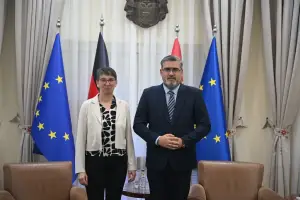
German development support important pillar for Serbia’s reforms, European path
-
 Belgrade, 8 July 2026
Continued cooperation with GIZ on improving position of women in Serbia
-
 Belgrade/Moscow, 8 July 2026
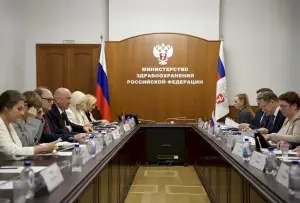
Cooperation between Serbia, Russia in field of modern oncology therapies
-
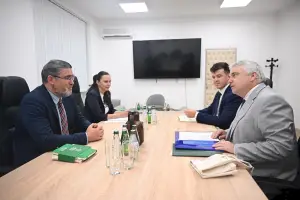 Belgrade, 8 July 2026
Ireland’s support for reform processes in Serbia on path to EU
-
 Belgrade, 8 July 2026
Continued strengthening of cooperation with Belgium in European integration process
-
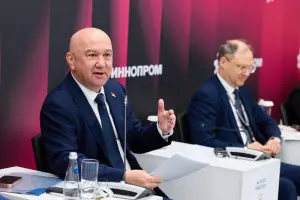 Belgrade, 7 July 2026
Possibilities for improving cooperation with Russia in several areas
-
 Belgrade, 7 July 2026
UN support for building equal opportunities society continues
-
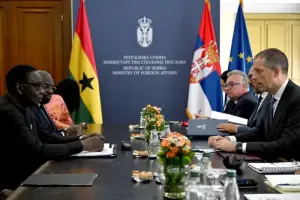 Belgrade, 6 July 2026
Serbia committed to strengthening economic, political ties with Ghana
-
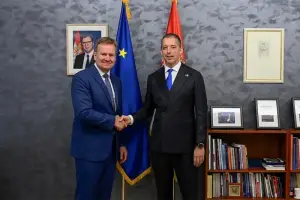 Belgrade/Brussels, 3 July 2026
Belgrade committed to continuing constructive dialogue with Priština