
Q:
A:
EU membership Serbia’s strategic goal
Belgrade,
21 November 2008
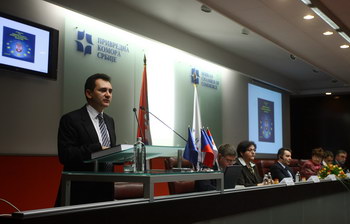
Serbian Deputy Prime Minister for EU integration Bozidar Djelic said that difficult circumstances should not deter Serbia from implementing the national EU integration programme and the Stabilisation and Association Agreement, because Serbia has to make it clear that its strategic goal is to acquire candidate status and join the EU as soon as possible.
Author:
Tanjug
Speaking at the final public debate on Serbia’s national EU integration programme, held at the Serbian Chamber of Commerce, Djelic said that according to the programme Serbian laws will be harmonised with EU legislation during the period from 2008 to 2012, so that in an administrative sense the country is ready to join the EU in 2012.
He stressed that Serbia’s European integration is taking place under difficult circumstances because of the global financial crisis and institutional problems within the EU.
He reminded guests that Ireland’s refusal to accept the Treaty of Lisbon had posed challenges to the EU during the recent past, adding that the European parliament elections are due next year, which is adding to the political tension in the EU.
Djelic said that the EU is now less willing to expand its borders and the problems it is facing are also affecting Serbia.
He said that the Hague tribunal’s Chief Prosecutor Serge Brammertz confirmed in Belgrade that Serbia is making every effort to cooperate with the tribunal, but that was not sufficient for him to state in his report that Serbia is cooperating fully, since the Netherlands insists on defining full cooperation as the arrest and handing over of Ratko Mladic.
He said that if further events related to cooperation with the Hague tribunal do not take place it is unlikely that a decision to unblock the transitional trade agreement will be made at the EU summit.
Speaking about cooperation with neighbouring countries, Djelic said that there is no understanding of Serbia’s specific problems because some countries have recognised Kosovo.
Some neighbours did not have the wisdom to look towards the future and have continued to file suites against Serbia at the International Court of Justice and Serbia’s only logical response to that is to try to establish the full truth by the same means, said Djelic.
He said that the government has made the only suitable decision and will file a countersuit against Croatia before the International Court of Justice (ICJ) to determine the truth regarding war crimes committed in Croatia during the period form 1991 to1995.
It is far wiser to look towards the future but that is not the path Croatia has chosen to follow and Serbia could not respond in any other way, said Djelic.
He said that amidst ongoing EU integration Croatia must also face the fact that it has not respected the Central European Free Trade Agreement, concerning this issue Europe is Serbia’s ally in its efforts to open the Croatian market to Serbian tobacco products and Serbian producers in general.
Djelic said that Croatia has decided not to take part in the bilateral meeting that was scheduled for December 6 in Geneva, under the auspices of the UNHCR, where talks were supposed to be held on the return of Serbs who were forced to leave their homes in Croatia and particularly the question of their property and social rights.
He said that this will be one of the most important conditions that Croatia will have to meet in order to conclude negotiations with the EU.
He said that the EU integration process is the best way for Serbia to successfully settle issues with Croatia.
Director of the Serbian government EU Integration Office Milica Delevic said that the Serbian government adopted a national integration programme on October 9 and stated that the programme proposes an activity plan for each state body until 2012 and determines the time period for passing certain laws.
He stressed that Serbia’s European integration is taking place under difficult circumstances because of the global financial crisis and institutional problems within the EU.
He reminded guests that Ireland’s refusal to accept the Treaty of Lisbon had posed challenges to the EU during the recent past, adding that the European parliament elections are due next year, which is adding to the political tension in the EU.
Djelic said that the EU is now less willing to expand its borders and the problems it is facing are also affecting Serbia.
He said that the Hague tribunal’s Chief Prosecutor Serge Brammertz confirmed in Belgrade that Serbia is making every effort to cooperate with the tribunal, but that was not sufficient for him to state in his report that Serbia is cooperating fully, since the Netherlands insists on defining full cooperation as the arrest and handing over of Ratko Mladic.
He said that if further events related to cooperation with the Hague tribunal do not take place it is unlikely that a decision to unblock the transitional trade agreement will be made at the EU summit.
Speaking about cooperation with neighbouring countries, Djelic said that there is no understanding of Serbia’s specific problems because some countries have recognised Kosovo.
Some neighbours did not have the wisdom to look towards the future and have continued to file suites against Serbia at the International Court of Justice and Serbia’s only logical response to that is to try to establish the full truth by the same means, said Djelic.
He said that the government has made the only suitable decision and will file a countersuit against Croatia before the International Court of Justice (ICJ) to determine the truth regarding war crimes committed in Croatia during the period form 1991 to1995.
It is far wiser to look towards the future but that is not the path Croatia has chosen to follow and Serbia could not respond in any other way, said Djelic.
He said that amidst ongoing EU integration Croatia must also face the fact that it has not respected the Central European Free Trade Agreement, concerning this issue Europe is Serbia’s ally in its efforts to open the Croatian market to Serbian tobacco products and Serbian producers in general.
Djelic said that Croatia has decided not to take part in the bilateral meeting that was scheduled for December 6 in Geneva, under the auspices of the UNHCR, where talks were supposed to be held on the return of Serbs who were forced to leave their homes in Croatia and particularly the question of their property and social rights.
He said that this will be one of the most important conditions that Croatia will have to meet in order to conclude negotiations with the EU.
He said that the EU integration process is the best way for Serbia to successfully settle issues with Croatia.
Director of the Serbian government EU Integration Office Milica Delevic said that the Serbian government adopted a national integration programme on October 9 and stated that the programme proposes an activity plan for each state body until 2012 and determines the time period for passing certain laws.
-
 Belgrade, 22 July 2026
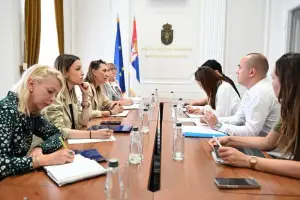
Serbia follows modern technological achievements, attracts investments
-
 Belgrade, 22 July 2026
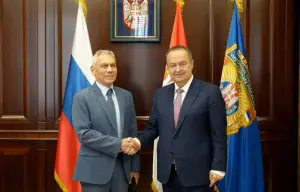
Continued cooperation with Russia in field of security, emergency situations
-
 Belgrade, 22 July 2026
New opportunities for expanding economic cooperation between Serbia, China
-
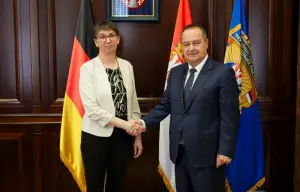 Belgrade, 20 July 2026
Cooperation in field of interior affairs important segment of relations with Germany
-
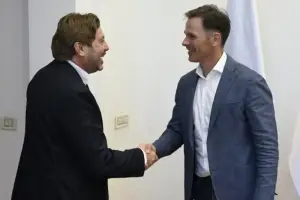 Belgrade, 16 July 2026
Expo 2027 opportunity to further strengthen international partnerships
-
 Belgrade/Bratislava, 16 July 2026
Serbia, Slovakia continue to strengthen political, economic cooperation
-
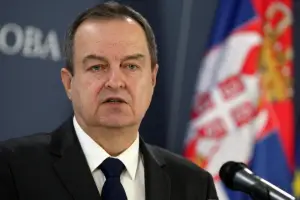 Belgrade, 14 July 2026
Serbia bilaterally resolves problems arising from EES implementation
-
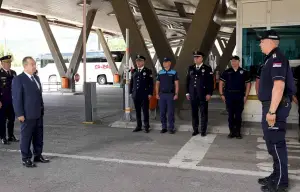 Gradina/Kalotina, 9 July 2026
Improving border cooperation between Serbia, Bulgaria
-
 Belgrade, 7 July 2026
Further strengthening economic cooperation between Serbia, Italy
-
 Belgrade, 6 July 2026
Serbia serious, responsible partner in fight against crime