
Q:
A:
Poverty halved in Serbia during past five years
Belgrade,
26 February 2008
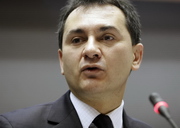
Serbian Deputy Prime Minister Bozidar Djelic said today that the number of poor people in Serbia was reduced by half during the period from 2002 to 2007, but at the same time the economic gap between rural and urban areas has widened.
Author:
Fonet
Speaking at the national debate “Strategic Guidelines for Rural Development in Serbia” held at the Sava Centre, Djelic said that in 2002 the number of poor people in Serbia was 950,000, and five years later the figure stands at 450,000. He warned that isolating the country in any way or disruption of economic relations could lead to an increase in poverty.
The most vulnerable groups are old people, families with a large number of children and people who live in rural areas, explained the Deputy Prime Minister, and pointed to the fact that during the previous years the economic gap between villages and cities has widened.
According to Djelic, people in rural areas have limited access to services and infrastructure, it is hard to find young general practitioners who are ready to work in villages, and population ageing is also significant.
Djelic stressed that the number of rural households is decreasing and they make up only 30.1% of the total number of households in Serbia, which is 2.8% less than in 2002.
He said that 85% of Serbia is rural, and the largest percentage of poor people, some 18.7% live in south eastern Serbia. He added that there are 45 schools in Serbia with only one student, and a number of schools have only a few.
The Deputy Prime Minister said that he expects that future efforts by the Serbian government to deal with the problem of poverty in rural areas will be directed towards the development of non-agricultural activities in rural areas and improvement of living conditions in villages.
Member of the Pre-Accession Partnerships for Rural Europe (PREPARE) Jela Tvrdonova said that rural areas in Serbia have a huge potential for development, which is reflected by the fact that last year Serbia saw a surplus in trade in agriculture.
The national debate “Strategic Guidelines for Rural Development in Serbia” was organised by the Serbian government and the Belgrade Fund for Political Excellence, and this is the second meeting to be held within the wider programme of national debates aimed at encouraging national discussions on Serbia’s key priorities for development and future direction of the country’s social and economic development.
Speaking to the press after the debate, the Serbian Deputy Prime Minister said that Serbia is open to domestic and foreign investment since this is in the country’s national interest.
According to the Serbian budget investments worth €3 billion are expected, mostly foreign, and in case this target is not reached living standards in Serbia will fall, said Djelic.
He said that currently investors are cautious, domestic as well as foreign, since all investors require stability.
According to Djelic, there is full agreement within the government regarding the question of investment into Serbia and it will provide stable and predictable conditions for business.
Djelic said that no one expects Serbia to give up Kosovo-Metohija for money and Serbia will never agree to this. He explained that the right policies should serve to strengthen Serbia, give it a strong economy and budget so that the country is able to exert influence on the international community.
We are defending our territorial integrity by strengthening our country, said Djelic and explained that projects to establish Serbia’s presence in the province wherever it has state organs should be funded through the budget.
He said that Serbia does not intend to isolate itself or engage in conflicts, and reiterated that Serbia will fight for its territorial integrity by legal and diplomatic means.
The fight for Kosovo will last for years and only an economically strong Serbia open to investments will come out on top in this fight, said the Deputy Prime Minister.
The most vulnerable groups are old people, families with a large number of children and people who live in rural areas, explained the Deputy Prime Minister, and pointed to the fact that during the previous years the economic gap between villages and cities has widened.
According to Djelic, people in rural areas have limited access to services and infrastructure, it is hard to find young general practitioners who are ready to work in villages, and population ageing is also significant.
Djelic stressed that the number of rural households is decreasing and they make up only 30.1% of the total number of households in Serbia, which is 2.8% less than in 2002.
He said that 85% of Serbia is rural, and the largest percentage of poor people, some 18.7% live in south eastern Serbia. He added that there are 45 schools in Serbia with only one student, and a number of schools have only a few.
The Deputy Prime Minister said that he expects that future efforts by the Serbian government to deal with the problem of poverty in rural areas will be directed towards the development of non-agricultural activities in rural areas and improvement of living conditions in villages.
Member of the Pre-Accession Partnerships for Rural Europe (PREPARE) Jela Tvrdonova said that rural areas in Serbia have a huge potential for development, which is reflected by the fact that last year Serbia saw a surplus in trade in agriculture.
The national debate “Strategic Guidelines for Rural Development in Serbia” was organised by the Serbian government and the Belgrade Fund for Political Excellence, and this is the second meeting to be held within the wider programme of national debates aimed at encouraging national discussions on Serbia’s key priorities for development and future direction of the country’s social and economic development.
Speaking to the press after the debate, the Serbian Deputy Prime Minister said that Serbia is open to domestic and foreign investment since this is in the country’s national interest.
According to the Serbian budget investments worth €3 billion are expected, mostly foreign, and in case this target is not reached living standards in Serbia will fall, said Djelic.
He said that currently investors are cautious, domestic as well as foreign, since all investors require stability.
According to Djelic, there is full agreement within the government regarding the question of investment into Serbia and it will provide stable and predictable conditions for business.
Djelic said that no one expects Serbia to give up Kosovo-Metohija for money and Serbia will never agree to this. He explained that the right policies should serve to strengthen Serbia, give it a strong economy and budget so that the country is able to exert influence on the international community.
We are defending our territorial integrity by strengthening our country, said Djelic and explained that projects to establish Serbia’s presence in the province wherever it has state organs should be funded through the budget.
He said that Serbia does not intend to isolate itself or engage in conflicts, and reiterated that Serbia will fight for its territorial integrity by legal and diplomatic means.
The fight for Kosovo will last for years and only an economically strong Serbia open to investments will come out on top in this fight, said the Deputy Prime Minister.
-
 Belgrade, 22 July 2026
Serbia follows modern technological achievements, attracts investments
-
 Belgrade, 22 July 2026
Continued cooperation with Russia in field of security, emergency situations
-
 Belgrade, 22 July 2026
New opportunities for expanding economic cooperation between Serbia, China
-
 Belgrade, 20 July 2026
Cooperation in field of interior affairs important segment of relations with Germany
-
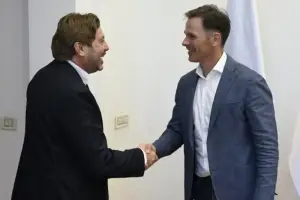 Belgrade, 16 July 2026
Expo 2027 opportunity to further strengthen international partnerships
-
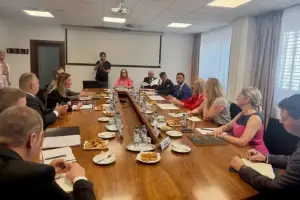 Belgrade/Bratislava, 16 July 2026
Serbia, Slovakia continue to strengthen political, economic cooperation
-
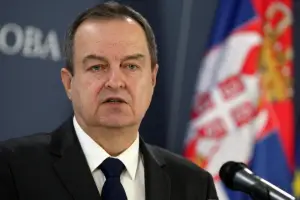 Belgrade, 14 July 2026
Serbia bilaterally resolves problems arising from EES implementation
-
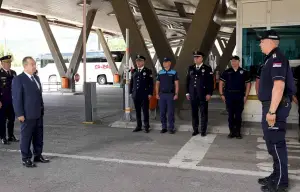 Gradina/Kalotina, 9 July 2026
Improving border cooperation between Serbia, Bulgaria
-
 Belgrade, 7 July 2026
Further strengthening economic cooperation between Serbia, Italy
-
 Belgrade, 6 July 2026
Serbia serious, responsible partner in fight against crime