
Q:
A:
Harmonisation of SAA with European Commission great success for Serbian negotiating team
Belgrade,
11 September 2007
Serbian Deputy Prime Minister Bozidar Djelic said that the successful conclusion of the final round of technical negotiations on the Stabilisation and Association Agreement (SAA) with the EU is a great success for the Serbian negotiating team, which since the resumption of dialogue in June this year, concluded technical negotiations with the European Commission in record time.
According to a statement issued by the Deputy Prime Minister’s cabinet, who is also head of the negotiating team, the SAA is an international agreement, the signing of which document will give Serbia the status of a country associated with the EU.
The signing of the document will make relations between Serbia and the EU of a mutually obligatory nature, with precisely determined rules and responsibilities binding for both sides. Relations between Serbia and the EU determined through this agreement will define mutual rights and obligations until the point when Serbia will become a member of the EU and it also establishes the possibility of Serbia joining the EU, depending on social development and progress in reforms.
It will take a period of six years to create a free trade zone between Serbia and the EU. The deadline for liberalisation of trade is determined in keeping with the capability of Serbian industry and agriculture to adapt to free trade, but also with Serbia’s wish to conclude reforms and enter the EU as soon as possible.
The obligation of Serbia is to gradually remove tariff from import of goods from the EU in the transition period of six years. On the other hand, the EU, through this agreement, confirms free access for Serbian goods to the EU market.
The speed of liberalisation and degree of protections depends on the sensitivity of products in Serbian industry. Three groups of industrial production are defined, according to sensitivity, for which liberalisation will be established after periods of two, five or six years.
For products which are not on these lists tariff will be eliminated the moment the agreement comes into force. It has been ensured that key sectors in domestic industries such as the industries for vehicle manufacturing, toys, clothes and ceramic remain at a high level of protection during the transition period of five or six years.
Removal of tariffs for agricultural products, processed agricultural products, fish and fish products will also be implemented gradually, during a transition period of six years, while retaining tariff protection for certain products (some 20% of products) even following the transition period.
Agreement was reached that sensitive products such as meat, milk and wheat retain their high level of protection during a five year transition period. Seasonal protection for a certain number of sensitive products such as fruits and vegetables, tomatoes, paprikas, plums and apples is also envisaged.
Serbia has an 180,000 ton import quota for sugar and 8,700 tonnes for veal annually. For the first time Serbia has secured a guaranteed quota for wine export of 63,000 hectolitres, which will make it possible to invest in this sector. Negotiations also resulted in a 15 ton import quota for trout 60 tonnes for carp import from Serbia to the EU.
Harmonisation of the SAA envisages Serbia’s obligation to harmonise domestic legislation with EU regulations within the period agreed upon.
Djelic explained that harmonisation will begin in the following sectors: competition protection and control of distribution of subsidies, intellectual property rights, public purchase, standardisation and consumer protection.
Serbia takes upon the obligation that within three years from the point when SAA comes into force it will begin to implement rules of competition in public companies and opens them to competition from the EU, which is the deadline that will allow adjustment of these companies to market competition.
The agreement implies that the EU and Serbia confirm that they will cooperate in a number of areas, such as social cooperation, education and training, cultural cooperation, information and communication, transport, energy, environment, research and technological development, which will allow Serbia to have access to EU programmes for technical and scientific development, which are necessary for the overall development of Serbia and prevention of young people and expertise from leaving the country.
By signing the SAA and ratifying CEFTA, Serbia will round up the system of agreements regarding trade relations with neighbouring states, thus securing a market of more than a half billion consumers for its producers, which will make Serbia an additionally attractive destination for investments and business, concludes the statement.
The signing of the document will make relations between Serbia and the EU of a mutually obligatory nature, with precisely determined rules and responsibilities binding for both sides. Relations between Serbia and the EU determined through this agreement will define mutual rights and obligations until the point when Serbia will become a member of the EU and it also establishes the possibility of Serbia joining the EU, depending on social development and progress in reforms.
It will take a period of six years to create a free trade zone between Serbia and the EU. The deadline for liberalisation of trade is determined in keeping with the capability of Serbian industry and agriculture to adapt to free trade, but also with Serbia’s wish to conclude reforms and enter the EU as soon as possible.
The obligation of Serbia is to gradually remove tariff from import of goods from the EU in the transition period of six years. On the other hand, the EU, through this agreement, confirms free access for Serbian goods to the EU market.
The speed of liberalisation and degree of protections depends on the sensitivity of products in Serbian industry. Three groups of industrial production are defined, according to sensitivity, for which liberalisation will be established after periods of two, five or six years.
For products which are not on these lists tariff will be eliminated the moment the agreement comes into force. It has been ensured that key sectors in domestic industries such as the industries for vehicle manufacturing, toys, clothes and ceramic remain at a high level of protection during the transition period of five or six years.
Removal of tariffs for agricultural products, processed agricultural products, fish and fish products will also be implemented gradually, during a transition period of six years, while retaining tariff protection for certain products (some 20% of products) even following the transition period.
Agreement was reached that sensitive products such as meat, milk and wheat retain their high level of protection during a five year transition period. Seasonal protection for a certain number of sensitive products such as fruits and vegetables, tomatoes, paprikas, plums and apples is also envisaged.
Serbia has an 180,000 ton import quota for sugar and 8,700 tonnes for veal annually. For the first time Serbia has secured a guaranteed quota for wine export of 63,000 hectolitres, which will make it possible to invest in this sector. Negotiations also resulted in a 15 ton import quota for trout 60 tonnes for carp import from Serbia to the EU.
Harmonisation of the SAA envisages Serbia’s obligation to harmonise domestic legislation with EU regulations within the period agreed upon.
Djelic explained that harmonisation will begin in the following sectors: competition protection and control of distribution of subsidies, intellectual property rights, public purchase, standardisation and consumer protection.
Serbia takes upon the obligation that within three years from the point when SAA comes into force it will begin to implement rules of competition in public companies and opens them to competition from the EU, which is the deadline that will allow adjustment of these companies to market competition.
The agreement implies that the EU and Serbia confirm that they will cooperate in a number of areas, such as social cooperation, education and training, cultural cooperation, information and communication, transport, energy, environment, research and technological development, which will allow Serbia to have access to EU programmes for technical and scientific development, which are necessary for the overall development of Serbia and prevention of young people and expertise from leaving the country.
By signing the SAA and ratifying CEFTA, Serbia will round up the system of agreements regarding trade relations with neighbouring states, thus securing a market of more than a half billion consumers for its producers, which will make Serbia an additionally attractive destination for investments and business, concludes the statement.
-
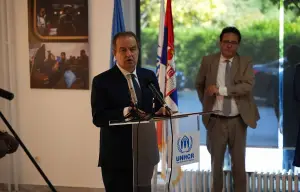 Belgrade, 19 June 2026
Serbia committed to protecting refugees, improving asylum system
-
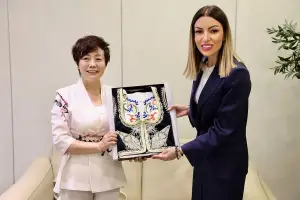 Belgrade, 19 June 2026
Visit of BYD representatives confirms strengthening of economic cooperation with China
-
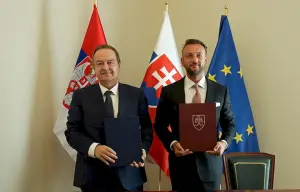 Belgrade/Bratislava, 9 June 2026
Agreement signed with Slovakia on joint surveillance of Serbia’s state border
-
 Belgrade, 3 June 2026
Bizerba continues to develop production in Serbia
-
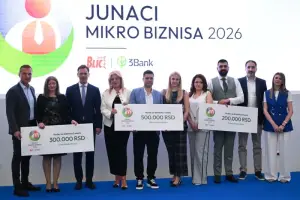 Belgrade, 2 June 2026
Small entrepreneurs driving force of domestic economy
-
 Belgrade, 1 June 2026
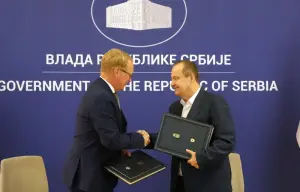
Serbia joins Frontex Partnership Academies Network
-
 Belgrade/Shanghai, 28 May 2026
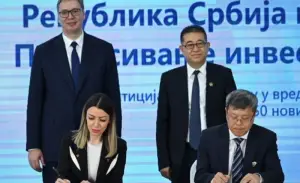
Commercial contracts signed with leading Chinese companies
-
 Belgrade/Jiaxing, 27 May 2026
Serbia entering new phase of technological, industrial development
-
 Belgrade, 27 May 2026
Dačić extends Kurban Bayram greetings
-
 Belgrade/Jinan, 26 May 2026
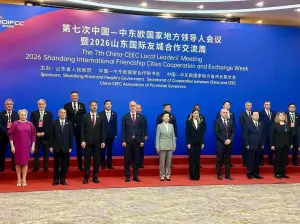
Strengthening international standing, economy through cooperation with China