
Q:
A:
Majority of African Union states support Serbia’s position on Kosovo-Metohija
Belgrade/Kampala,
23 July 2010
Deputy Prime Minister for European Integration Bozidar Djelic said today in Kampala that the majority of African states remain faithful to their position of non-recognition of the unilaterally proclaimed independence of Kosovo-Metohija and that they will support Serbia in its efforts before the UN General Assembly.

Djelic, who is heading a Serbian delegation at the meeting of the Executive Council of the African Union in Uganda, told Tanjug news agency that during the two-day visit to Kampala, the Serbian delegation met with representatives of 28 member states of the African Union and several countries outside the continent.
The African countries that are against the secession of Kosovo-Metohija from Serbia, and they make up 75% of the African Union member states, are under great pressure to change their principled position now that the International Court of Justice (ICJ) has passed its advisory opinion and to take the side of Pristina and its international allies, he warned. All the delegations of the countries that do not recognise independent Kosovo we have met with have decided to continue the policy of support to Serbia’s territorial integrity, the Deputy Prime Minister outlined and added that this is great encouragement for Serbia and its consistent policy. Representatives of these African states will help Serbia work towards the adoption of a resolution at the UN General Assembly that would call on Belgrade and Pristina to talk and reach a compromise.
The meeting in Kampala has gathered ministers of 53 member states of the African Union, as well as high representatives of Italy, France, the United Kingdom, Turkey, India and China. Djelic highlighted that German Minister of Foreign Affairs Guido Westerwelle is also attending the meeting in Kampala and that President of Mexico Felipe Calderon is scheduled to speak on 26 July. The Serbian delegation has met so far with representatives of the countries that do not recognise the independence of Kosovo – Algeria, Angola, Burundi, Gabon, Egypt, Eritrea, Ethiopia, Zambia, the South African Republic, Cameroon, Congo, Nigeria, Rwanda, the Seychelles, Sudan, Tanzania, Togo, Tunisia, Uganda, the Central African Republic, Libya, Kenya and Zimbabwe.
The Serbian delegation also met with representatives of the countries that did recognise an independent Kosovo, such as Comoros and Mauritania. The members of the Serbian delegation pointed to the risks their position carries not only for Serbia and the international legal order, but for their own countries as well, Djelic explained.
The Deputy Prime Minister underlined that the driving force of the world economic development in the future will not be only Asia, but Africa as well.
Africa will be a continent in which great infrastructural and energy projects will be carried out and it is up to Serbia to use what the former Yugoslavia had built for decades and strengthen its economic position, Djelic stated.
He added that there is interest for cooperation in the fields of agriculture, especially the seed trade, and in the field of pharmaceuticals.
The African countries that are against the secession of Kosovo-Metohija from Serbia, and they make up 75% of the African Union member states, are under great pressure to change their principled position now that the International Court of Justice (ICJ) has passed its advisory opinion and to take the side of Pristina and its international allies, he warned. All the delegations of the countries that do not recognise independent Kosovo we have met with have decided to continue the policy of support to Serbia’s territorial integrity, the Deputy Prime Minister outlined and added that this is great encouragement for Serbia and its consistent policy. Representatives of these African states will help Serbia work towards the adoption of a resolution at the UN General Assembly that would call on Belgrade and Pristina to talk and reach a compromise.
The meeting in Kampala has gathered ministers of 53 member states of the African Union, as well as high representatives of Italy, France, the United Kingdom, Turkey, India and China. Djelic highlighted that German Minister of Foreign Affairs Guido Westerwelle is also attending the meeting in Kampala and that President of Mexico Felipe Calderon is scheduled to speak on 26 July. The Serbian delegation has met so far with representatives of the countries that do not recognise the independence of Kosovo – Algeria, Angola, Burundi, Gabon, Egypt, Eritrea, Ethiopia, Zambia, the South African Republic, Cameroon, Congo, Nigeria, Rwanda, the Seychelles, Sudan, Tanzania, Togo, Tunisia, Uganda, the Central African Republic, Libya, Kenya and Zimbabwe.
The Serbian delegation also met with representatives of the countries that did recognise an independent Kosovo, such as Comoros and Mauritania. The members of the Serbian delegation pointed to the risks their position carries not only for Serbia and the international legal order, but for their own countries as well, Djelic explained.
The Deputy Prime Minister underlined that the driving force of the world economic development in the future will not be only Asia, but Africa as well.
Africa will be a continent in which great infrastructural and energy projects will be carried out and it is up to Serbia to use what the former Yugoslavia had built for decades and strengthen its economic position, Djelic stated.
He added that there is interest for cooperation in the fields of agriculture, especially the seed trade, and in the field of pharmaceuticals.
-
 Belgrade, 24 July 2026
Serbia, Hungary partners in addressing regional security challenges
-
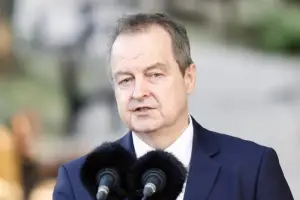 Belgrade, 24 July 2026
Dačić congratulates UK Home Secretary on reappointment
-
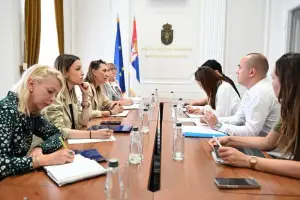 Belgrade, 22 July 2026
Serbia follows modern technological achievements, attracts investments
-
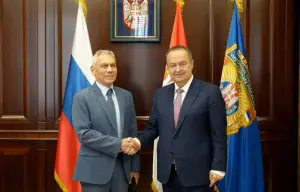 Belgrade, 22 July 2026
Continued cooperation with Russia in field of security, emergency situations
-
 Belgrade, 22 July 2026
New opportunities for expanding economic cooperation between Serbia, China
-
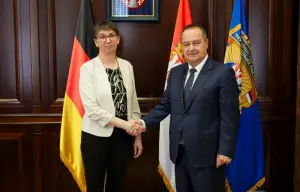 Belgrade, 20 July 2026
Cooperation in field of interior affairs important segment of relations with Germany
-
 Belgrade, 16 July 2026
Expo 2027 opportunity to further strengthen international partnerships
-
 Belgrade/Bratislava, 16 July 2026
Serbia, Slovakia continue to strengthen political, economic cooperation
-
 Belgrade, 14 July 2026
Serbia bilaterally resolves problems arising from EES implementation
-
 Gradina/Kalotina, 9 July 2026
Improving border cooperation between Serbia, Bulgaria