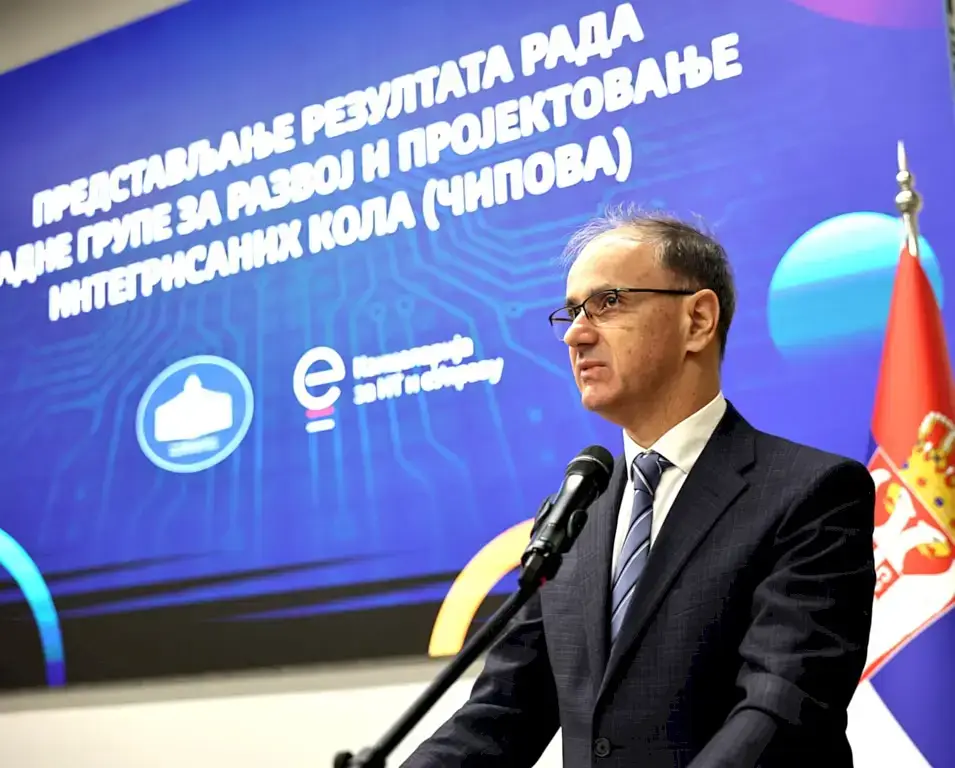
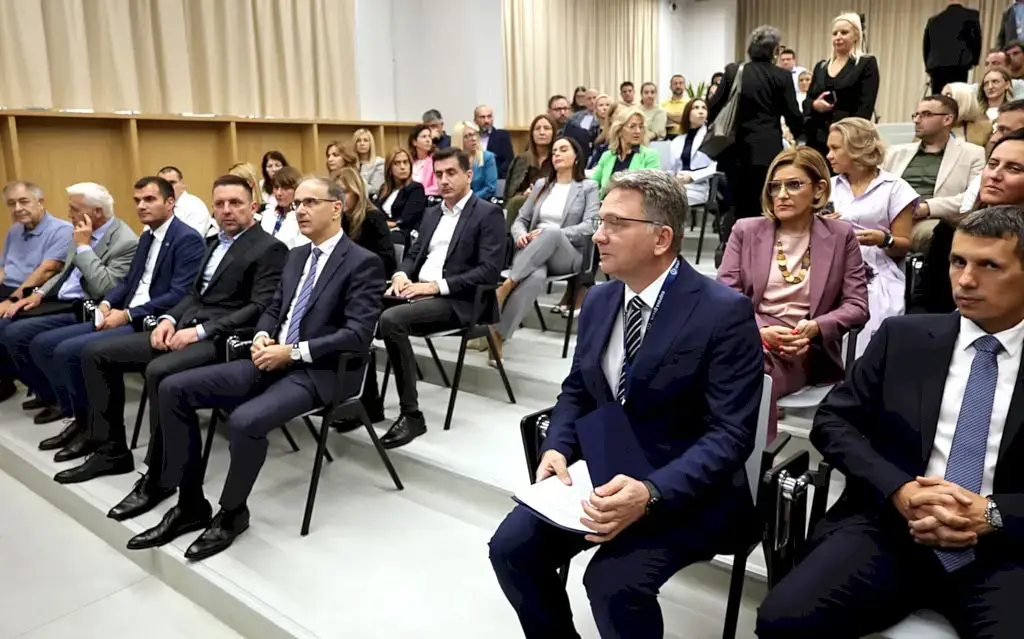
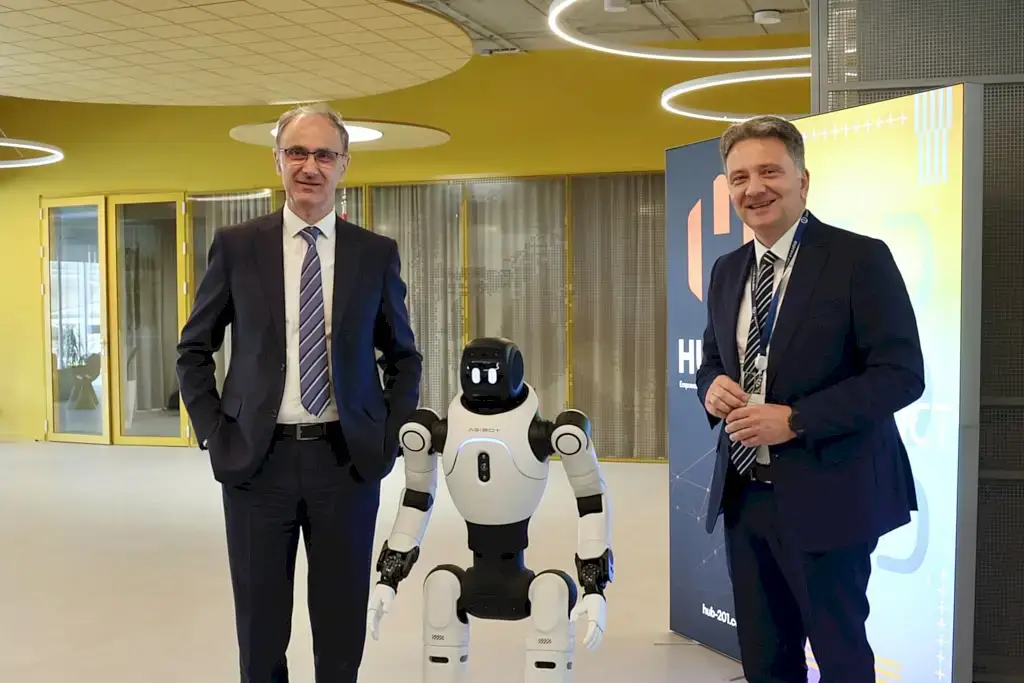
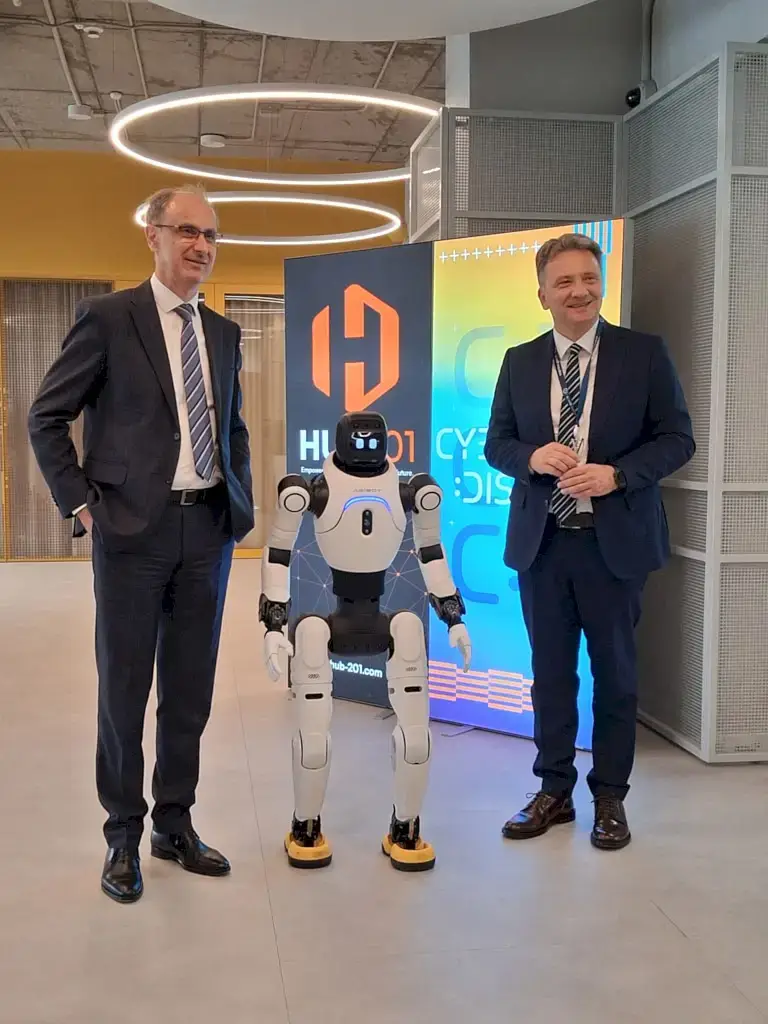
Prime Minister in a caretaker capacity Professor Đuro Macut, MD, DSc, attended today the presentation of results from the Working Group for the Development and Design of Integrated Circuits (chips), which was organised by the Office for Information Technologies and eGovernment.

Q:
A:
Serbia has potential to position itself in field of chip design
Belgrade,
30 September 2026
Macut highlighted Serbia’s potential to position itself in the field of chip design, noting that more than 1,000 engineers are already working in this sector.
Speaking on the importance of chip design, the Prime Minister explained that this process precedes manufacturing, which requires the construction of specialised factories and investments amounting to tens of billions of dollars.
Macut emphasised that Serbia is therefore focusing on an area where it already has an established expert base and which requires significantly lower investment, noting that the goal is to gradually channel existing potential toward the development of domestic products and proprietary intellectual property.
He particularly highlighted the importance of linking universities, research institutes and the business sector, as well as adapting education to new technological conditions and the needs of future development.
The Prime Minister also highlighted the potential applications of these technologies in medicine, agriculture and other strategic sectors, stating that Serbia’s ambition is not merely to be a user of modern technologies, but also a country that creates them.
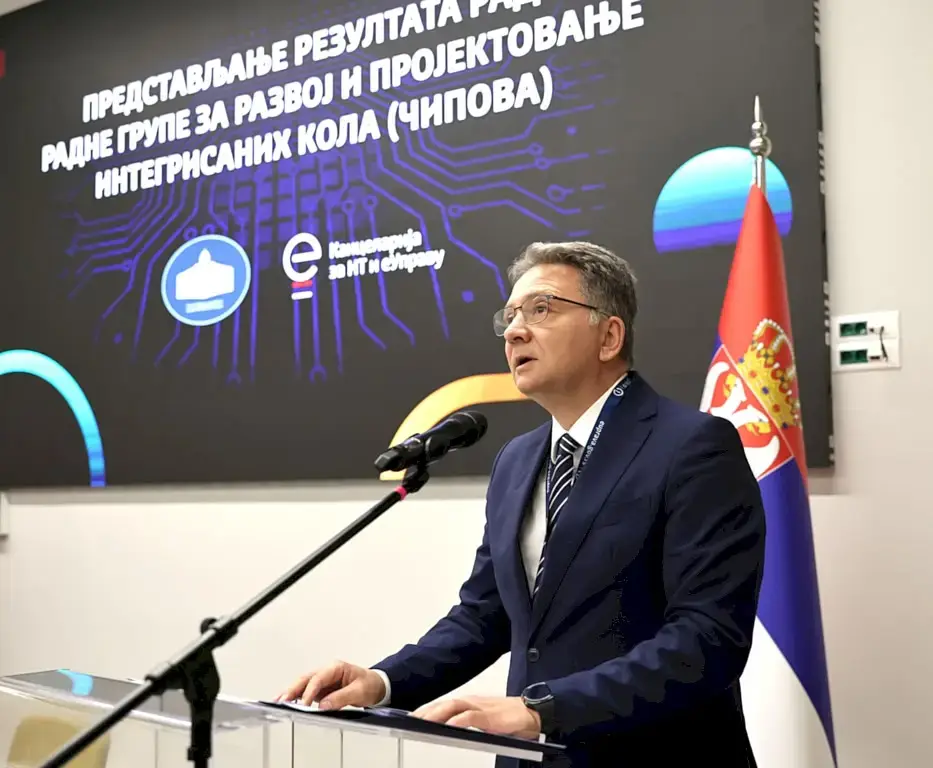
Director of the Office for Information Technologies and eGovernment and Chairman of the Working Group Mihailo Jovanović, PhD, emphasised that Serbia possesses the knowledge, expertise, and potential to make a significant leap forward in the field of integrated circuit design, explaining that the Working Group has focused its efforts on three key areas – science and education, the business sector and institutional development.
-
 Author: Slobodan Miljević
 -
 Author: Slobodan Miljević
 -
 Author: Slobodan Miljević
 -
 Author: Slobodan Miljević
 -
 Author: Slobodan Miljević
 -
 Author: Slobodan Miljević
-
 Belgrade, 30 September 2026
Strong support from Serbian government for science, innovation
-
 Belgrade, 29 September 2026
Continued support for Serbs in Croatia
-
 Belgrade, 24 September 2026
Improving quality, international visibility of Serbian universities
-
 Belgrade, 23 September 2026
Serbia aims to become regional hub for high tech, innovation
-
 Belgrade, 23 September 2026
150 decisions awarded to mothers for purchase of first home
-
 Belgrade, 22 September 2026
Significant scope for expanding cooperation with Austria
-
 Belgrade, 22 September 2026
Preparations for European U-21 Football Championship progressing as planned
-
 Belgrade, 22 September 2026
German investments important for development of Serbian economy
-
 Belgrade/Višegrad, 21 September 2026
Serbia continues to build bridges of cooperation with Republika Srpska
-
 Belgrade, 21 September 2026
Serbia ready to successfully host top-tier international events