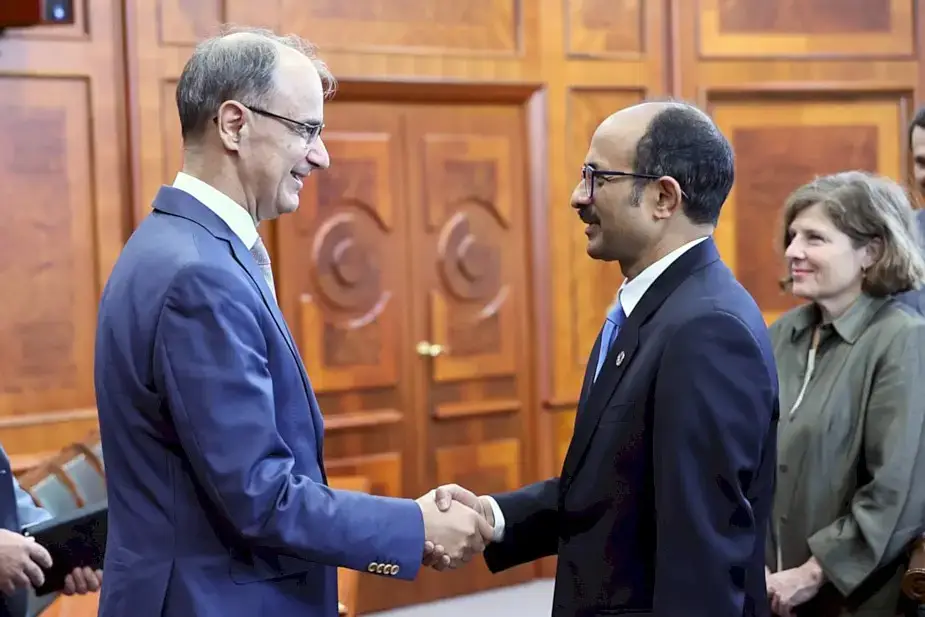
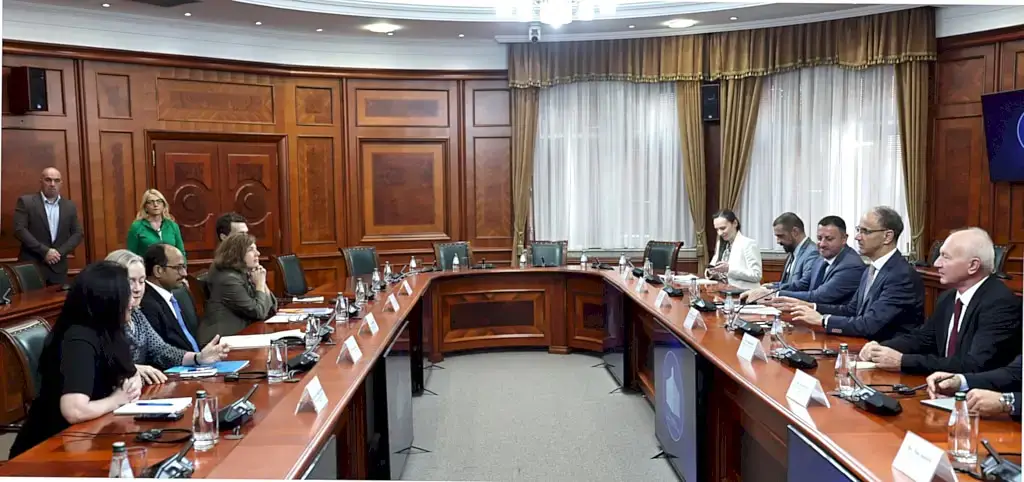
Prime Minister Professor Đuro Macut, MD, DSc, met today with Special Representative of the United Nations Secretary-General for Disaster Risk Reduction and Head of the United Nations Office for Disaster Risk Reduction (UNDRR) Kamal Kishore to discuss ways to improve the disaster risk reduction system, prevention and emergency response capacity.

Q:
A:
Cooperation with UNDRR to strengthen disaster risk reduction capacity
Belgrade,
7 September 2026
Macut underlined that Serbia attaches great importance to cooperation with UNDRR and that it is committed to strengthening the protection and rescue system, especially in the light of increasingly frequent extreme weather conditions caused by climate change, both in the country and the region, as well as to implementing the Sendai Framework for Disaster Risk Reduction.
The two officials discussed possibilities for the further improvement of cooperation between Serbia and the UNDRR, especially in the fields of early warning systems, risk assessment, application of modern technologies and data exchange, as well as the inclusion of risk assessment in public investment planning and infrastructure development.
The Prime Minister particularly pointed to the importance of strengthening the capacity of local self-governments, as cities and municipalities are the first level of response in case of natural and other disasters.
The Prime Minister highlighted the activities of UNDRR within the Making Cities Resilient 2030 (MCR2030) initiative, as well as the participation of representatives of 27 cities and municipalities from Serbia at the initiative’s first annual meeting in the country.
The meeting also looked at regional and cross-border cooperation, given that natural disasters and climate risks know no state borders.
In this context, Macut pointed out the importance of concrete cooperation with UNDRR in strengthening disaster risk reduction capacities and early warning systems in the Western Balkans.
Kishore presented the United Nations programmes and activities in the field of disaster risk reduction and emphasised the importance of cooperation with Serbia in strengthening national and local capacities, early warning systems and preventive action.
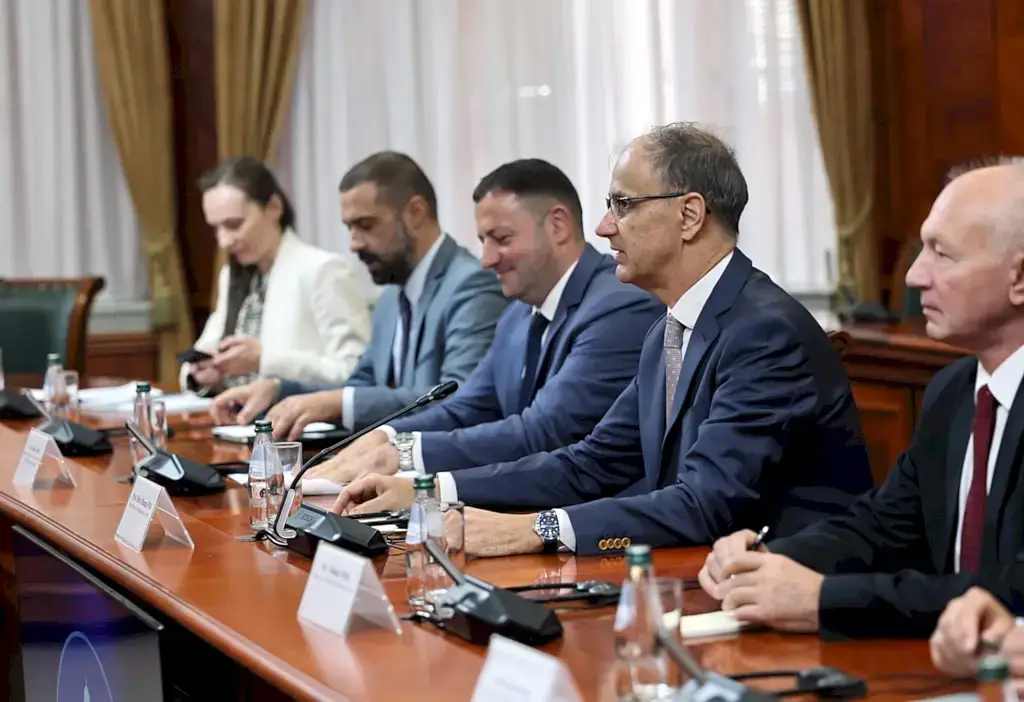
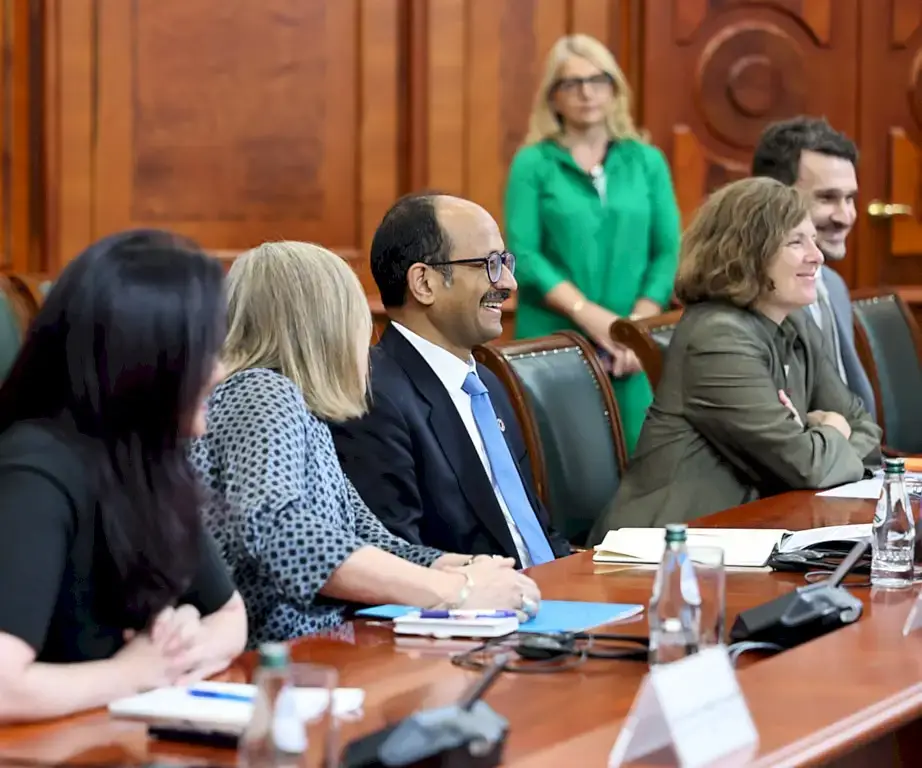
The meeting was also attended by United Nations Resident Coordinator in Serbia Matilde Mordt and Assistant Minister of the Interior and Head of the Emergency Situations Sector Luka Čaušić.
-
 Author: Slobodan Miljević
 -
 Author: Slobodan Miljević
 -
 Author: Slobodan Miljević
 -
 Author: Slobodan Miljević
-
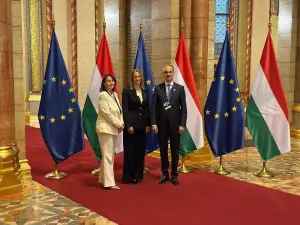 Belgrade/Budapest, 23 October 2026
Good relations with Hungary help Serbia on its European path
-
 Belgrade, 23 October 2026
Prime Minister Macut at commemoration of 70th anniversary of Hungarian Revolution
-
 Belgrade/Budva, 22 October 2026
Serbia one of key factors in regional integration
-
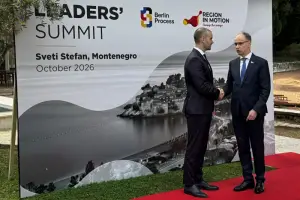 Belgrade/Sveti Stefan, 22 October 2026
Serbia committed to continuing reforms on path to full EU membership
-
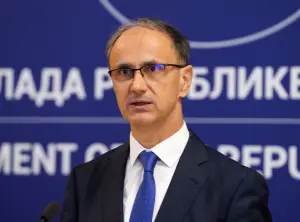 Belgrade, 21 October 2026
Prime Minister Macut to attend Berlin Process Leaders’ Summit in Sveti Stefan
-
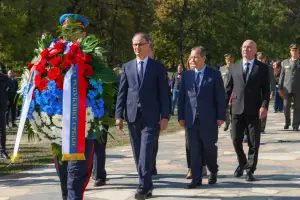 Kragujevac, 21 October 2026
Macut pays tribute to civilians executed during World War II
-
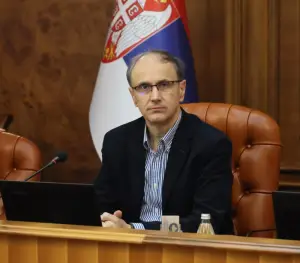 Belgrade, 21 October 2026
Importance of maintaining public order, peace on election day
-
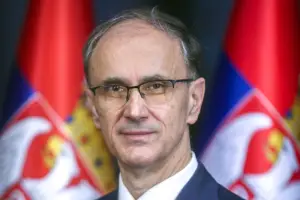 Belgrade, 20 October 2026
Macut congratulates Luca Niculescu on his election as new Prime Minister of Romania
-
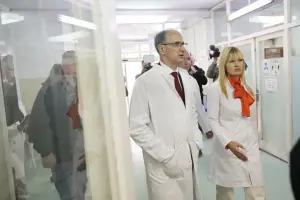 Petrovac na Mlavi/Žagubica, 19 October 2026
Strengthening healthcare institutions among government priorities
-
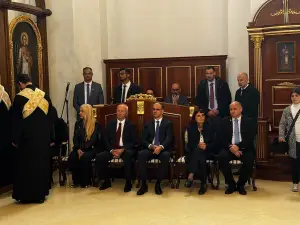 Belgrade/Dalj, 17 October 2026
Serbia to continue supporting its people, Serbian Orthodox Church in Croatia