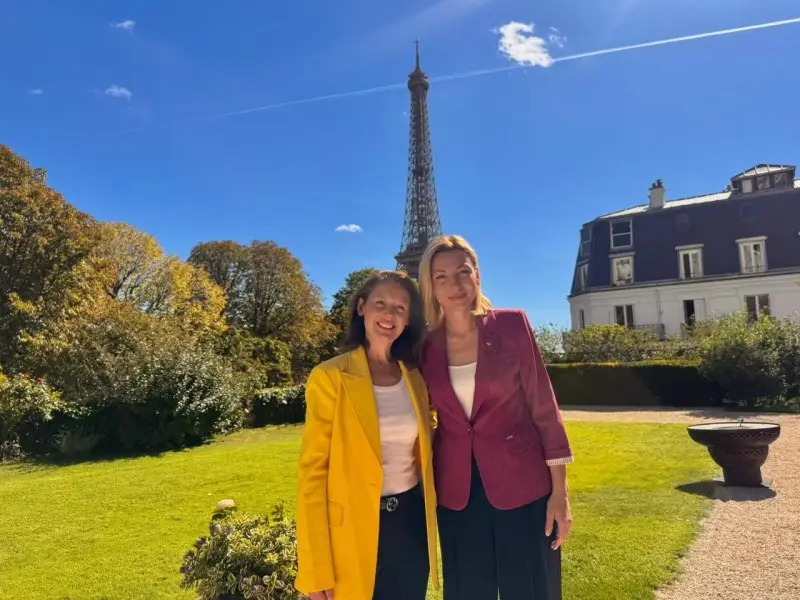
Minister without portfolio in charge of gender equality, prevention of violence against women and economic and political empowerment of women Tatjana Macura presented the Women Driving Serbia initiative in Paris today.

Q:
A:
Exchange of experiences with France on women’s economic empowerment
Belgrade/Paris,
4 September 2026
The initiative is aimed at promoting and developing women’s entrepreneurship, connecting women entrepreneurs, facilitating the exchange of knowledge and experience, and increasing their visibility in the market.
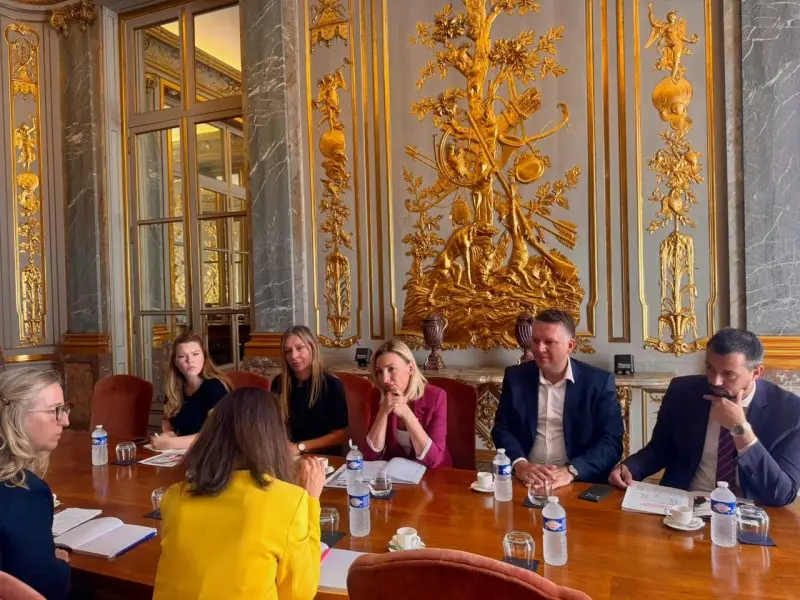
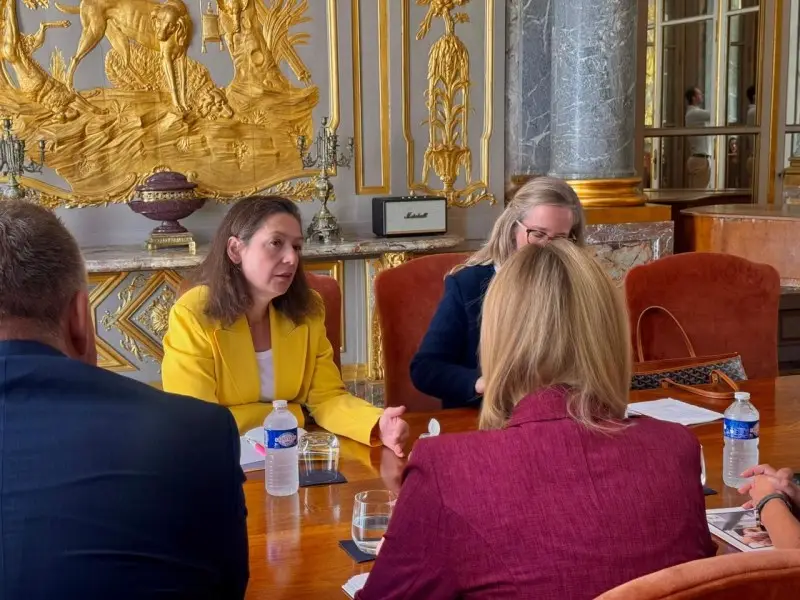
Macura met with Marie-Pierre Rixain, a member of the French National Assembly’s Delegation for Women’s Rights and Equal Opportunities for Women and Men and the body’s former president, to discuss improving the economic position of women, women’s entrepreneurship and women’s participation in decision-making positions.
She pointed out that, in certain areas, Serbia has solutions and a level of support it can be proud of, particularly with regard to support for women’s entrepreneurship and the measures the state provides to women and families during parenthood.
The interlocutors also exchanged experiences regarding parental leave and state support for parents, as well as opportunities to further improve policies that enable women to balance their professional and family lives.
Macura and Rixain also discussed the Rixain Law, under which France introduced mandatory representation of women in the leadership and management structures of large companies of at least 30% by 2026.
Particular attention was devoted to the measures the two countries are implementing to create equal opportunities for women in economic and professional life, as well as to the exchange of experiences in areas where Serbia and France have different, but complementary, solutions.
-
 Author: Office of Minister Macura
 -
 Author: Office of Minister Macura
 -
 Author: Office of Minister Macura
-
 Belgrade/Brussels, 23 October 2026
Serbia regional leader in participation in Horizon Europe programme
-
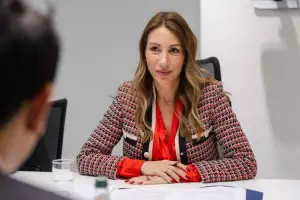 Belgrade, 22 October 2026
Cooperation with JICA to expedite procedures to build Bistrica pumped-storage HPP
-
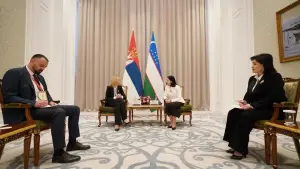 Belgrade/Samarkand, 22 October 2026
Enhancing international cooperation on women’s empowerment, well-being of children
-
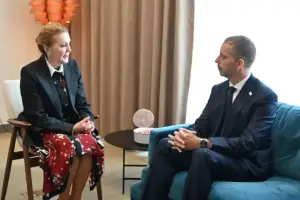 Belgrade/New York, 21 October 2026
Continued UNMIK engagement crucial for stability in Kosovo and Metohija
-
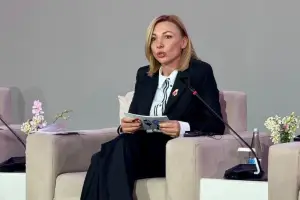 Belgrade/Samarkand, 21 October 2026
Serbia committed to advancing child well-being, protection
-
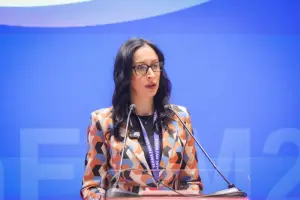 Belgrade, 16 October 2026
Implementing population measures to improve Serbia’s demographic outlook
-
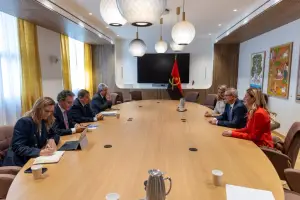 Belgrade/Rome, 16 October 2026
Serbia strengthens international cooperation in agriculture
-
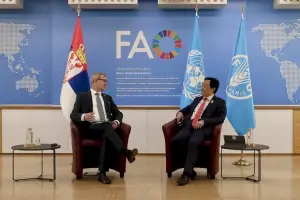 Belgrade/Rome, 15 October 2026
FAO important partner of Serbia in modernisation of agriculture
-
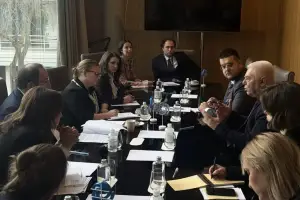 Belgrade/Moscow, 12 October 2026
Continuation of cooperation with Russia in field of telecommunications
-
 Belgrade, 11 October 2026
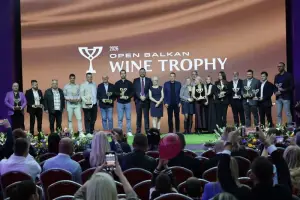
Best wines, brandies at "Wine Vision by Open Balkan" announced