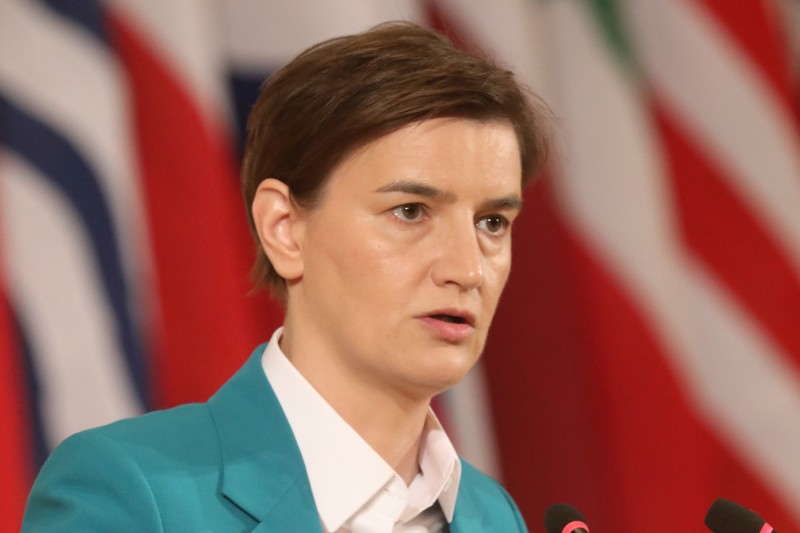
Prime Minister Ana Brnabic addressed the participants of the 108th International Labour Conference in Geneva today with a message that the Fourth Industrial Revolution is an opportunity for Serbia to catch up with the developed world, and that education and creativity are two key areas in which we have to invest.

Q:
A:
Serbia to invest in education, creativity
Belgrade/Geneva,
12 June 2019
Brnabic recalled that in the past five years, Serbia has implemented difficult but necessary reforms to achieve macroeconomic stability, improve business environment and reduce unemployment, which has exceeded 25 percent, and now it has fallen to around 12 percent.
According to her, we have developed small and medium enterprises, have introduced sustainable incentives for entrepreneurs, especially for young entrepreneurs, to start new companies and to hire more people, especially in the digital sector.
The average gross wage has increased by 6.7 percent compared to the previous year, and over the past five years, the minimum wage has increased by 35 percent.
She noted that the International Labor Organization in March cooperated with Serbia on the creation and adoption of the Decent Work Programme for the period from 2019 to 2022, which will help us achieve the highest standards of work and social protection.
Brnabic added that in association with the International Labor Organization and Social Partners, the campaign "Say No To Illegal Employment" has been expanded, which discourages companies from operating in the gray economy.
As heads of states, it is our duty to do everything in our power to prepare our citizens for changes in the world of work, the Prime Minister said.
We need to reform the educational system and prepare young people for jobs of the future, which is why we need to invest in education that teaches children how to think, not what to think, Brnabic explained.
That is why coding and programming have been introduced in Serbia as compulsory subjects in elementary school, so students from 10 to 12 years of age learn in Scratch and Python in Serbia, while 13-year-olds begin to learn Pygame.
We have provided secure access to the Internet to all primary schools in Serbia and this year we invest an additional €20 million in high-speed Internet for the first 500 elementary schools and 10,000 digital classrooms, with the aim of complete digitalisation by 2021, she said.
The number of specialised IT classes in secondary schools has been increased almost five times, and even more will be available as the interest of students grow year in year out.
Also, more than €100 million have been invested in infrastructure investments to enable a better environment for start-ups, innovative companies and research and development.
This includes the construction of revolutionary science and technology parks, research institutes, laboratories and support for start-up centres throughout Serbia, she explained.
Brnabic said that we also use state funds to fund retraining, so that people could have the opportunity to gain new skills and knowledge and be better prepared for the accelerated world in which they live.
-
 Belgrade, 2 August 2026
Energy sector facing serious, challenging situation
-
 Belgrade, 2 August 2026
Preserving ties with Serbian people worldwide among government’s priorities
-
 Belgrade, 1 August 2026
More affordable, accessible medicines demonstrate state’s systemic care for citizens’ health
-
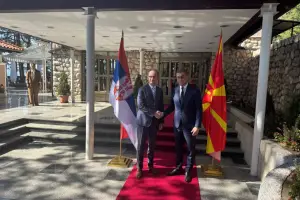 Belgrade/Ohrid, 31 July 2026
Strengthening good-neighbourly relations, cooperation with North Macedonia
-
 Belgrade, 31 July 2026
Appeal to citizens to use electricity rationally
-
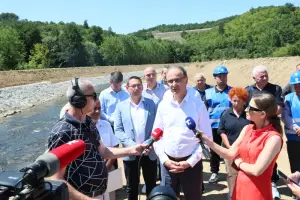 Vladičin Han, 31 July 2026
State continues to invest in water management infrastructure throughout Serbia
-
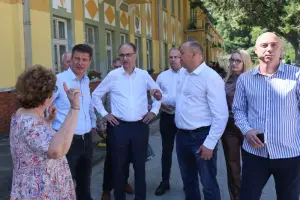 Vranjska Banja, 31 July 2026
Capacities of Vranjska Banja for further development of spa tourism to be improved
-
 Belgrade, 30 July 2026
Coordinated state response to adverse weather conditions
-
 Vranje, 30 July 2026
Continuing investment in protection of cultural heritage
-
 Vranje, 30 July 2026
State responds quickly to citizens’ needs